Learning Unreal Engine: Day 1

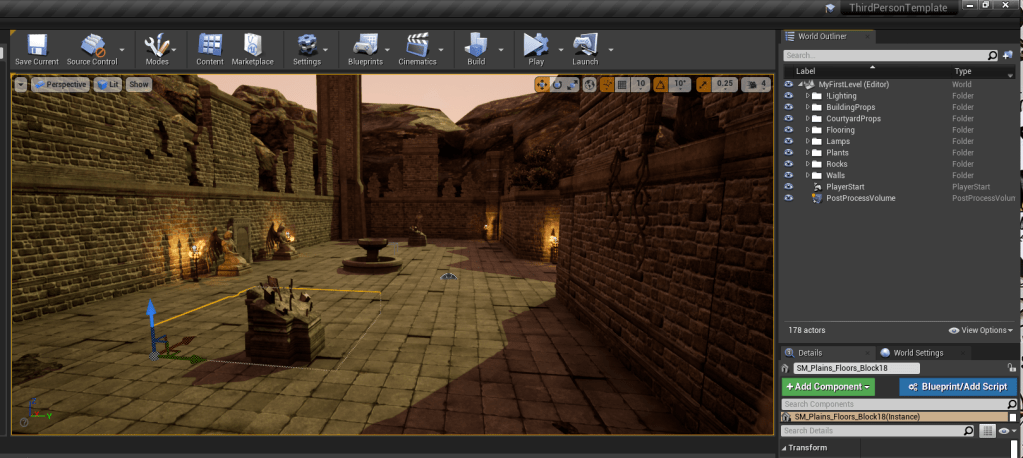
Running through introduction tutorials and built my first level using free assets in the Epic Store. Having all of the items in one spot, including the market place, the Epic Launcher, and the Unreal Engine in one shell is really cool.

I only dabbled in Blueprints creating a prop light, but I think I’m going to really enjoy tooling around with the options. After using Unity for so long, I was worried Unreal would be difficult to learn, but it’s pretty intuitive so far; let’s see how I feel about that after a few more days.

Very much looking forward to creating more actors and using assets to build something playable.

For reference, these are the tutorials I ran through today:

Introducing Unreal Engine – Really great introduction to all of the components that make up the editor.

Your First Hour With Unreal Engine -A very, very quick overview on importing assets, creating your first level, adjusting lighting, and creating a simple Blueprint.

Beverages in Sweden

Hi friends! It’s been awhile! I haven’t done much since the weather has grown colder and the daylight has grown shorter. I guess you could call it daylight, anyway. For the past month it’s just been when I can see the cloudy skies rather than the complete darkness that falls onto the city around 3:30p.

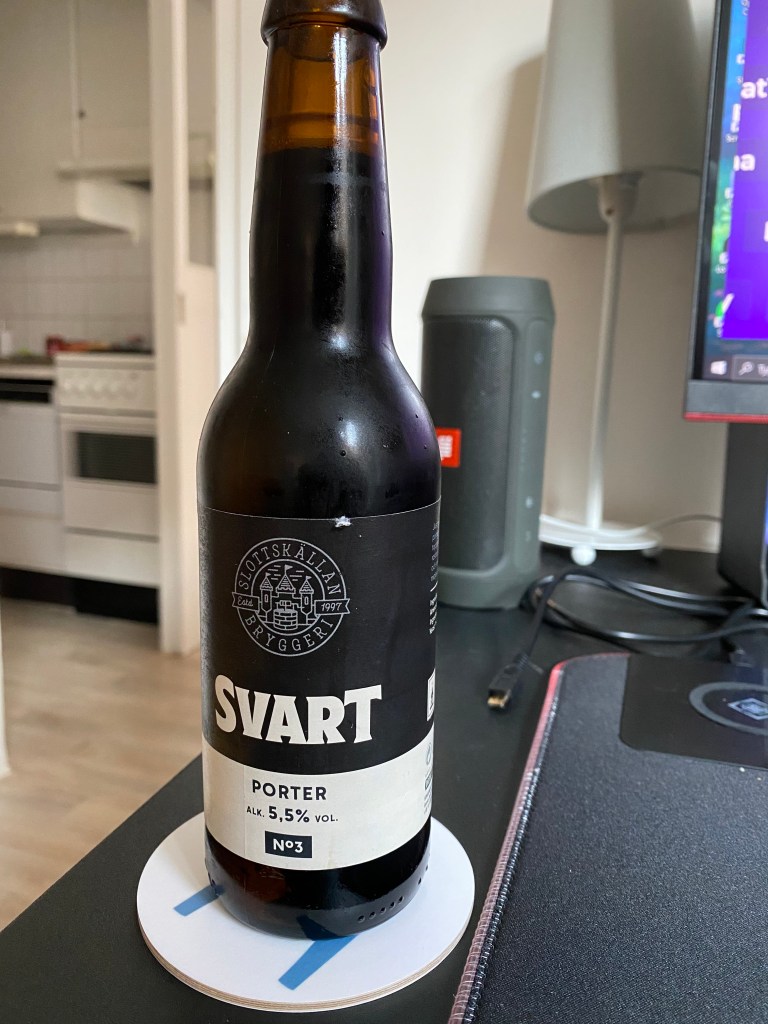
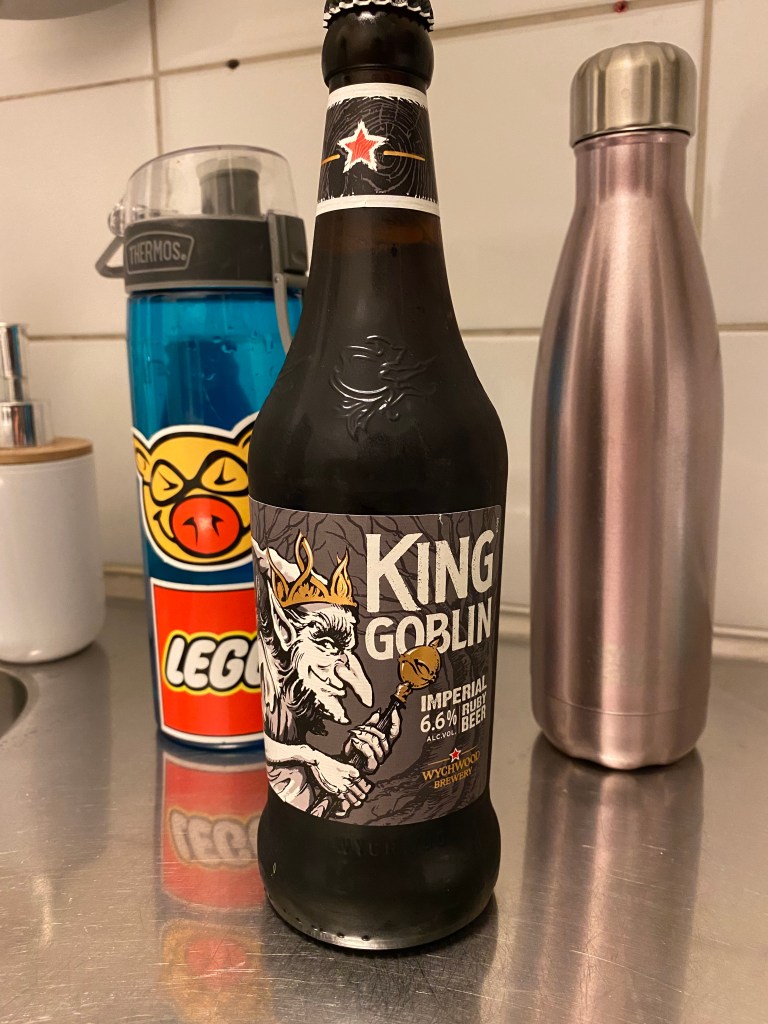
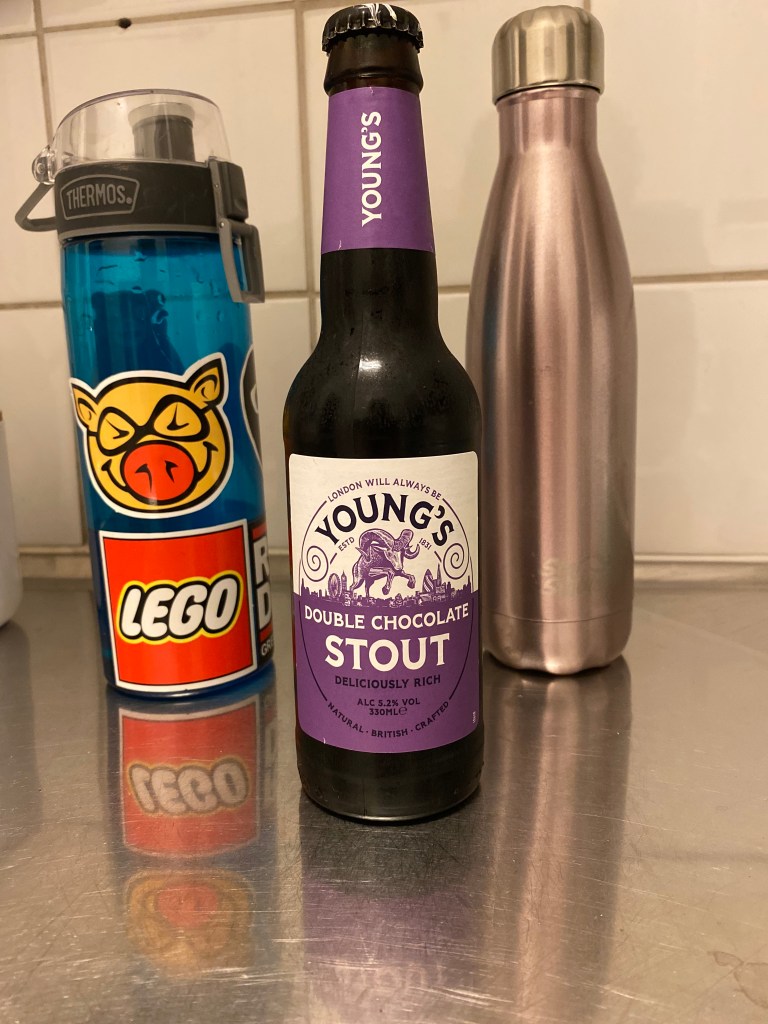
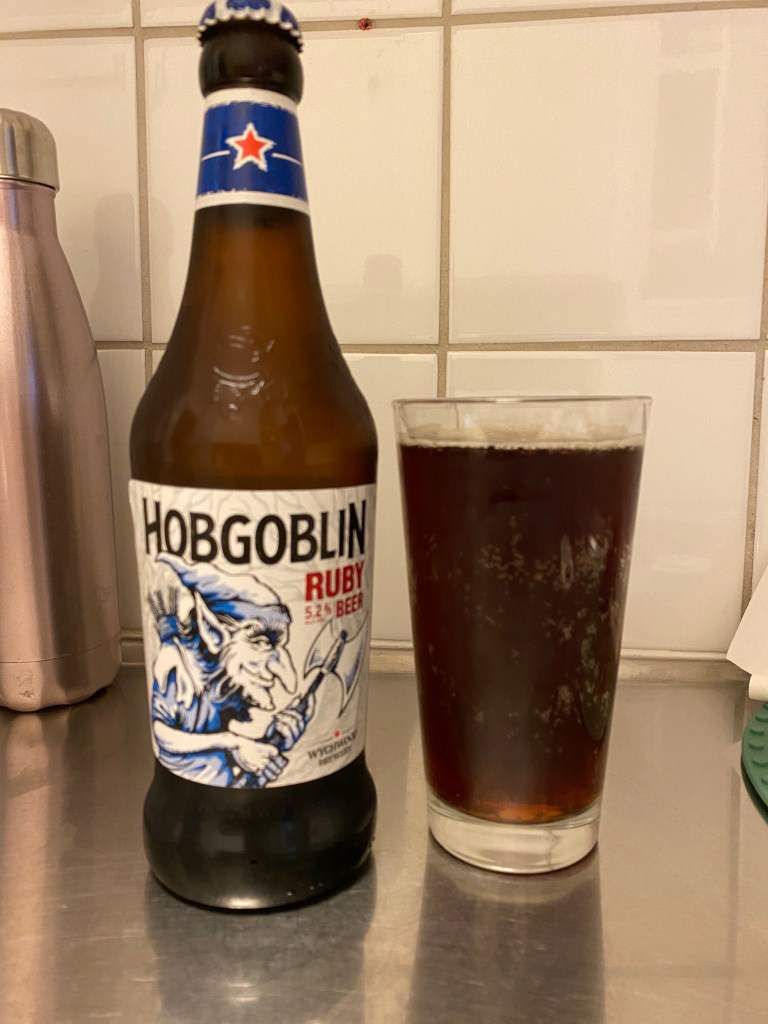
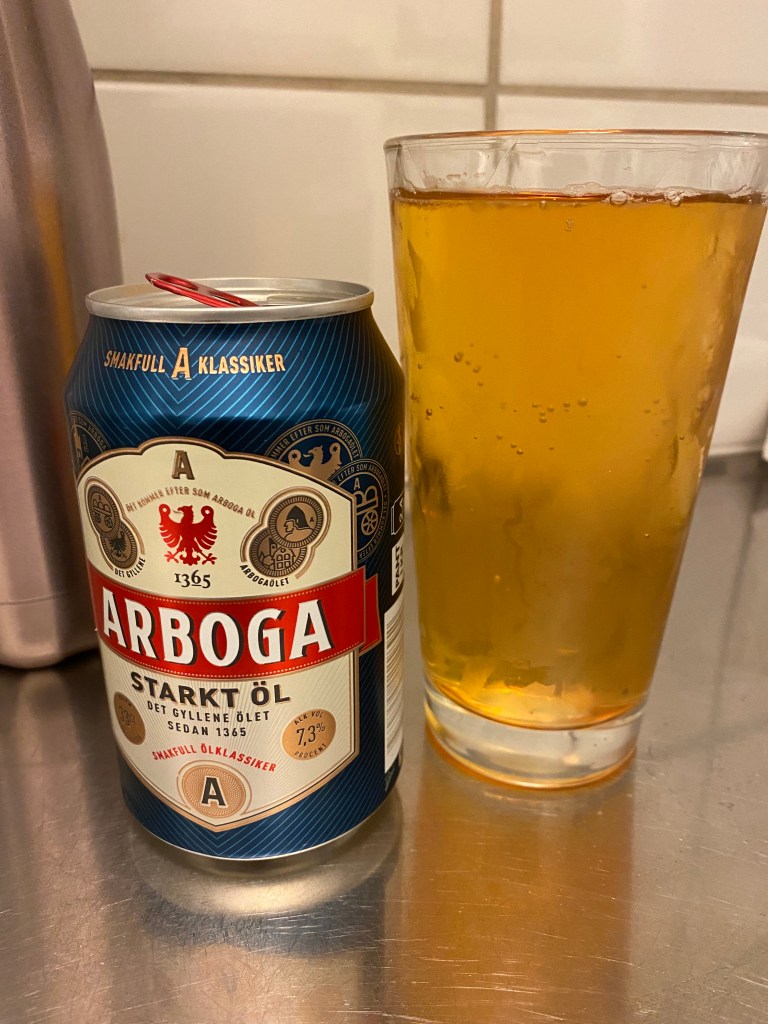
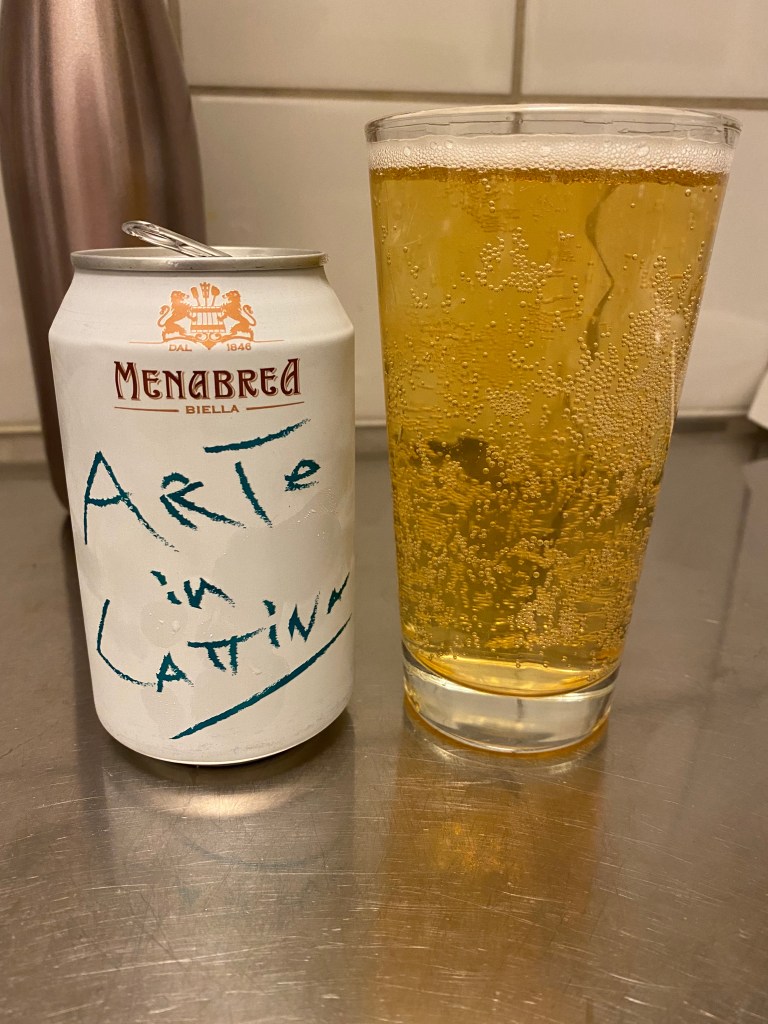
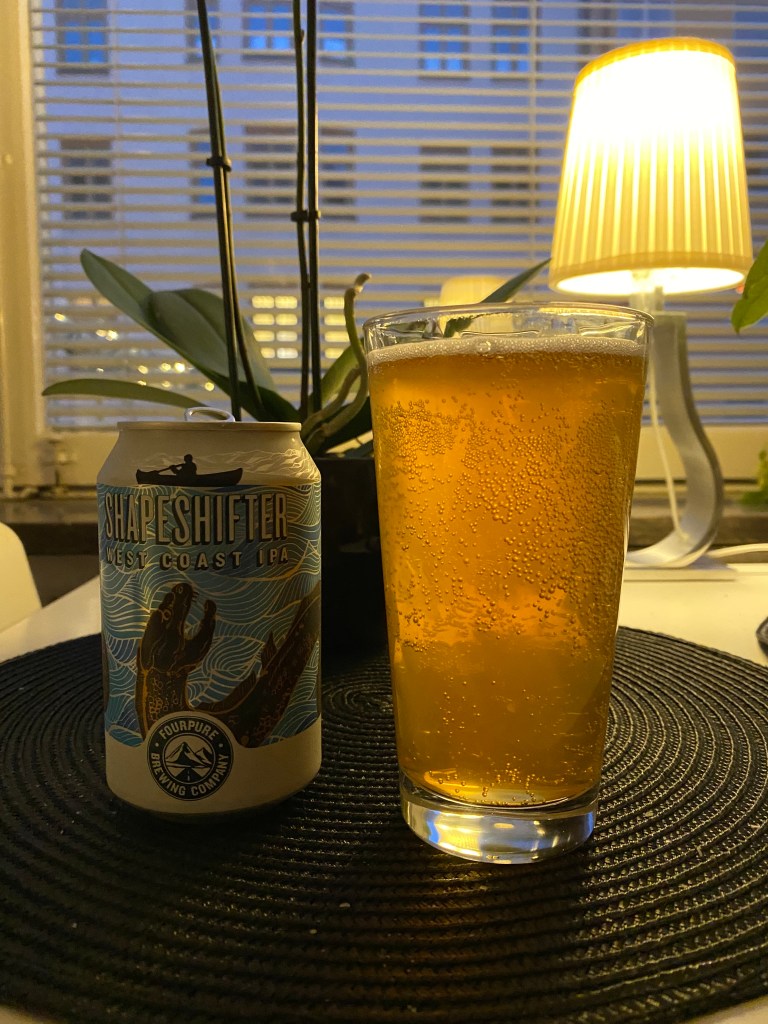
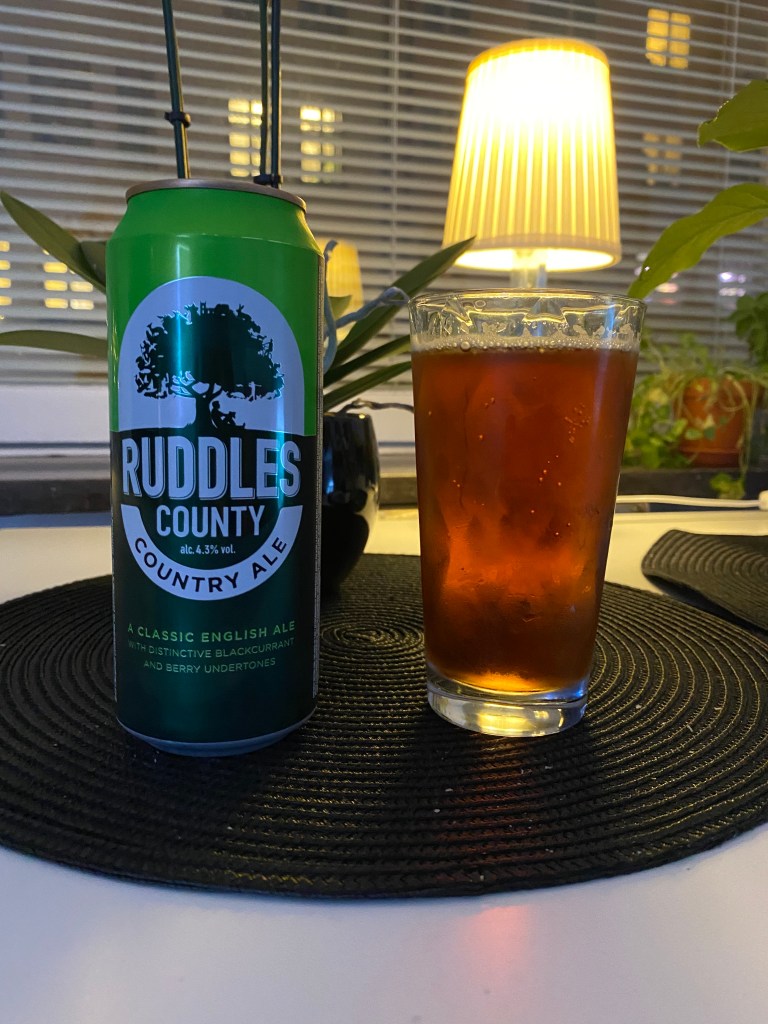
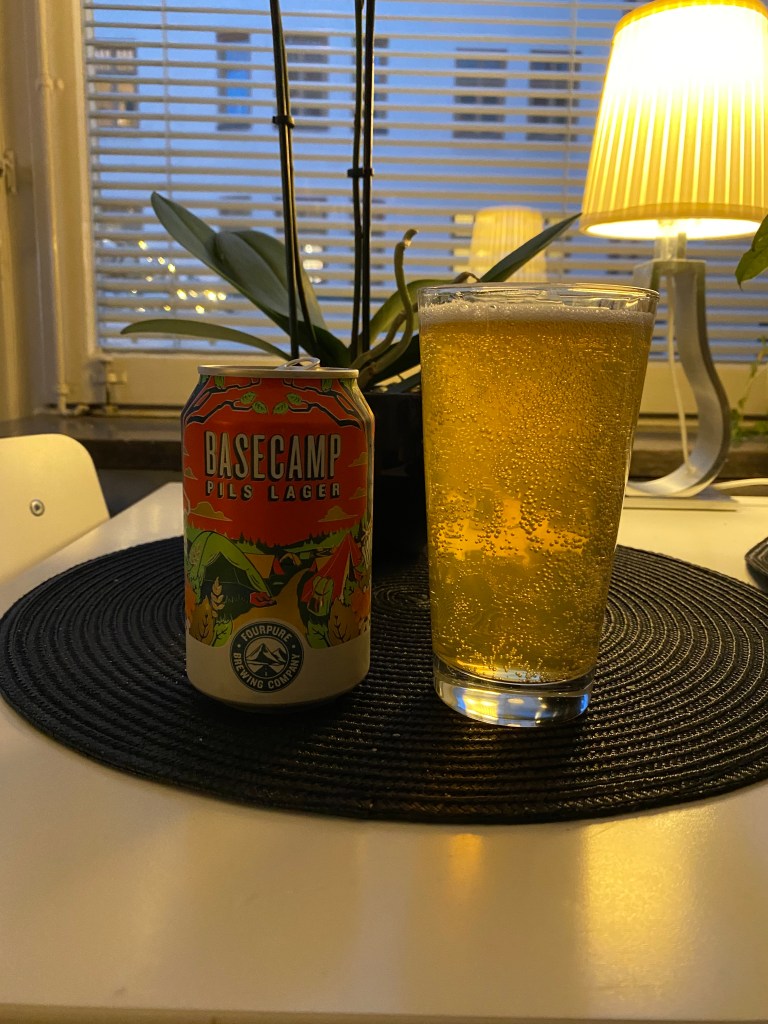
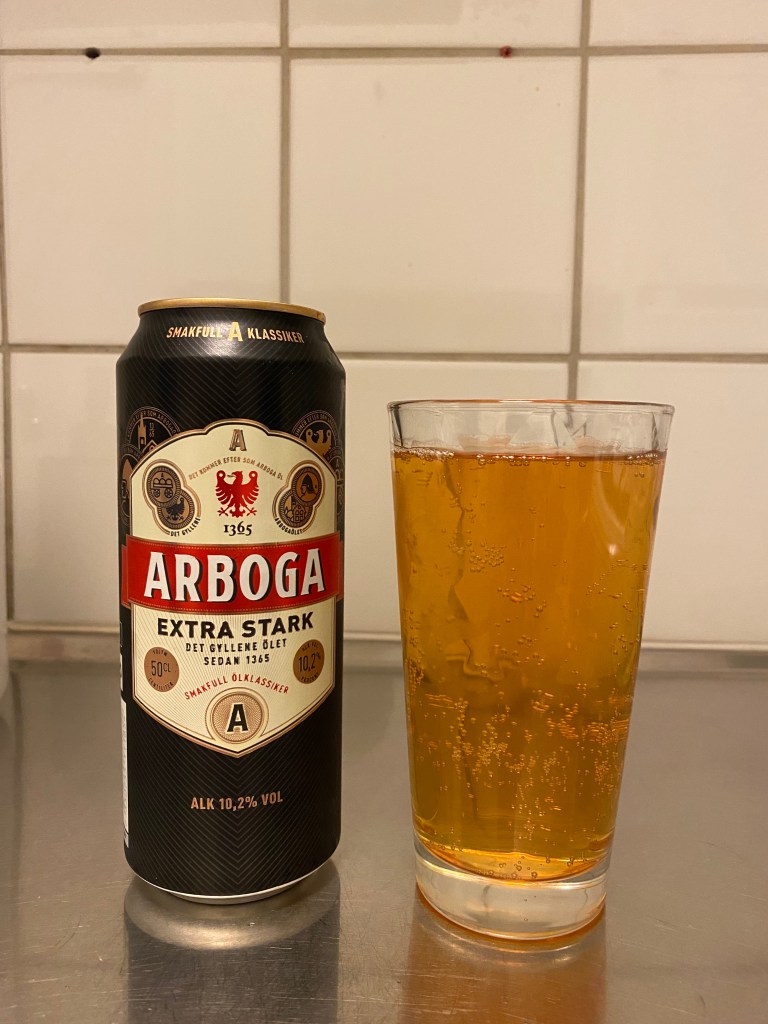
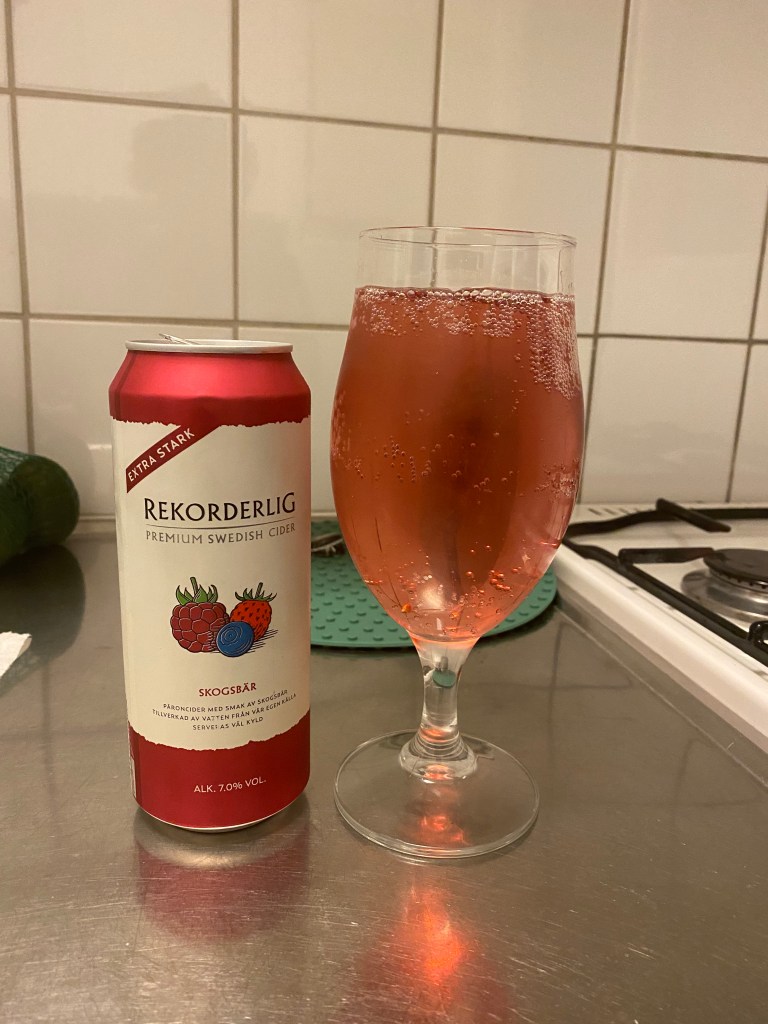
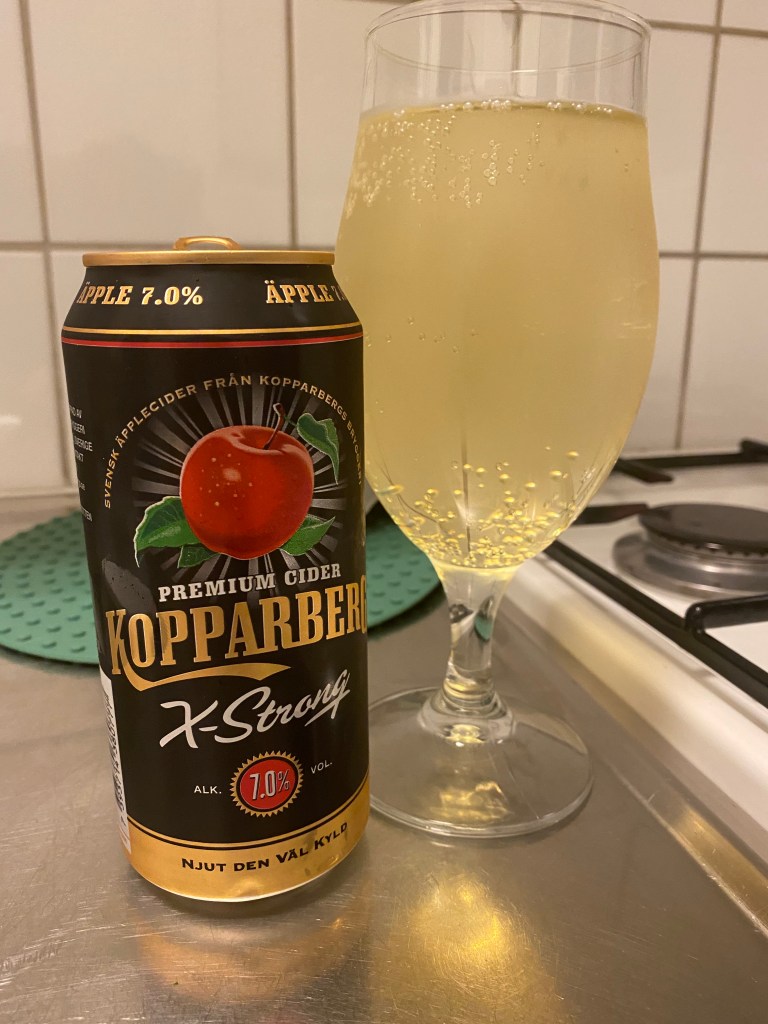
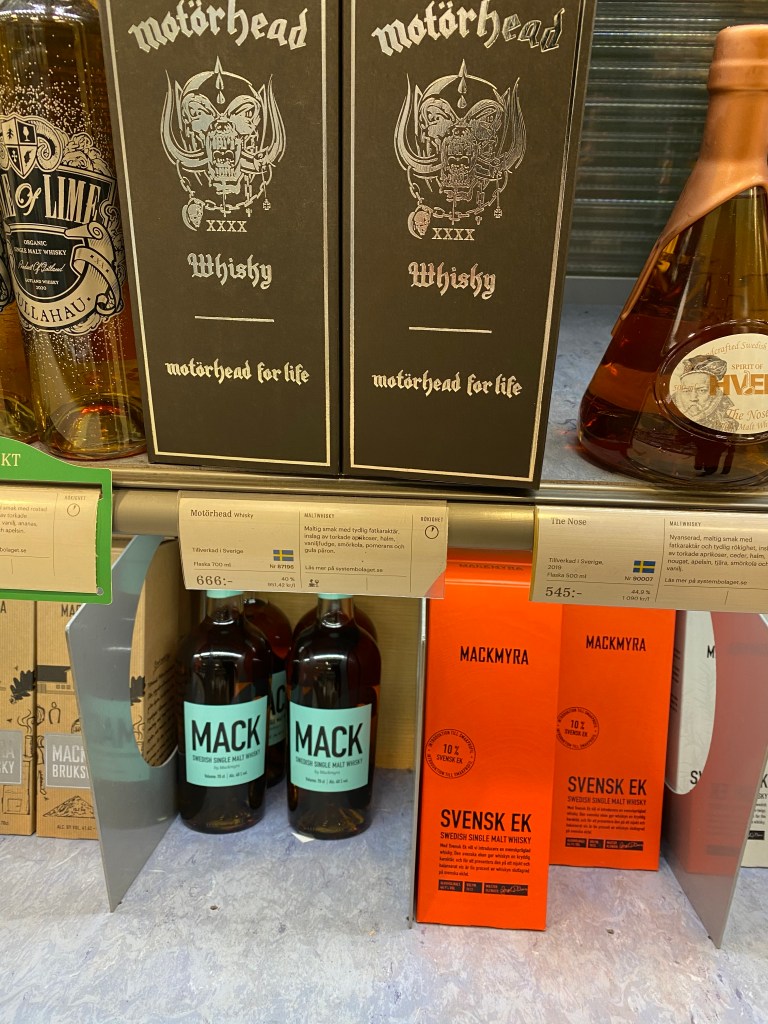
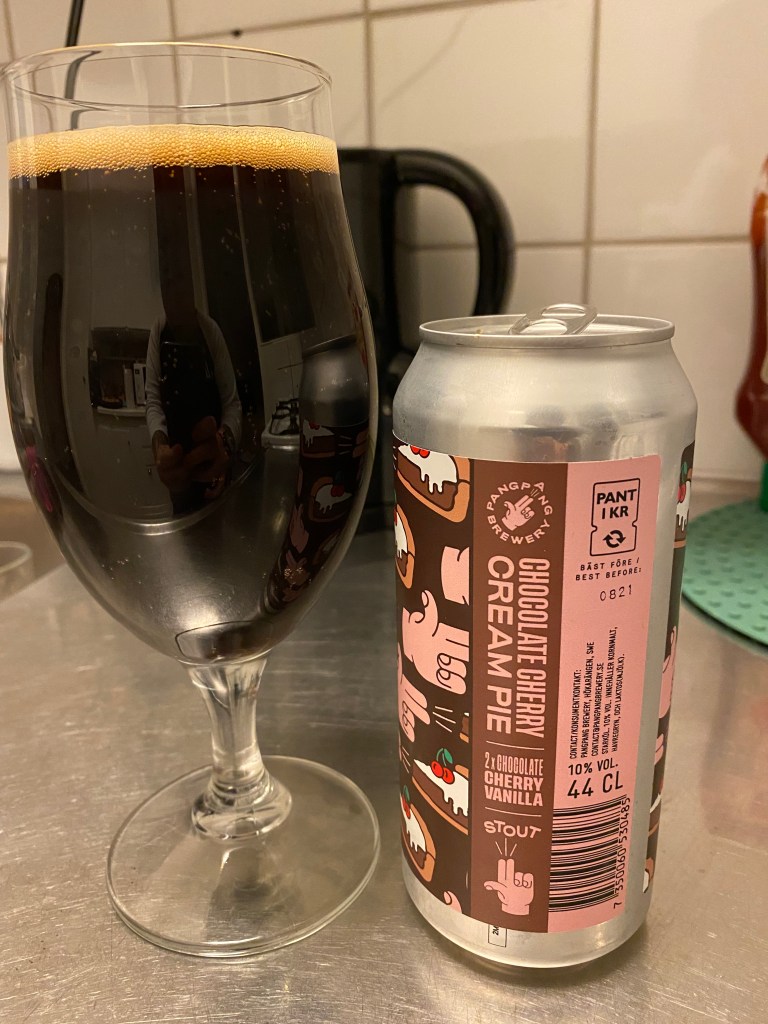
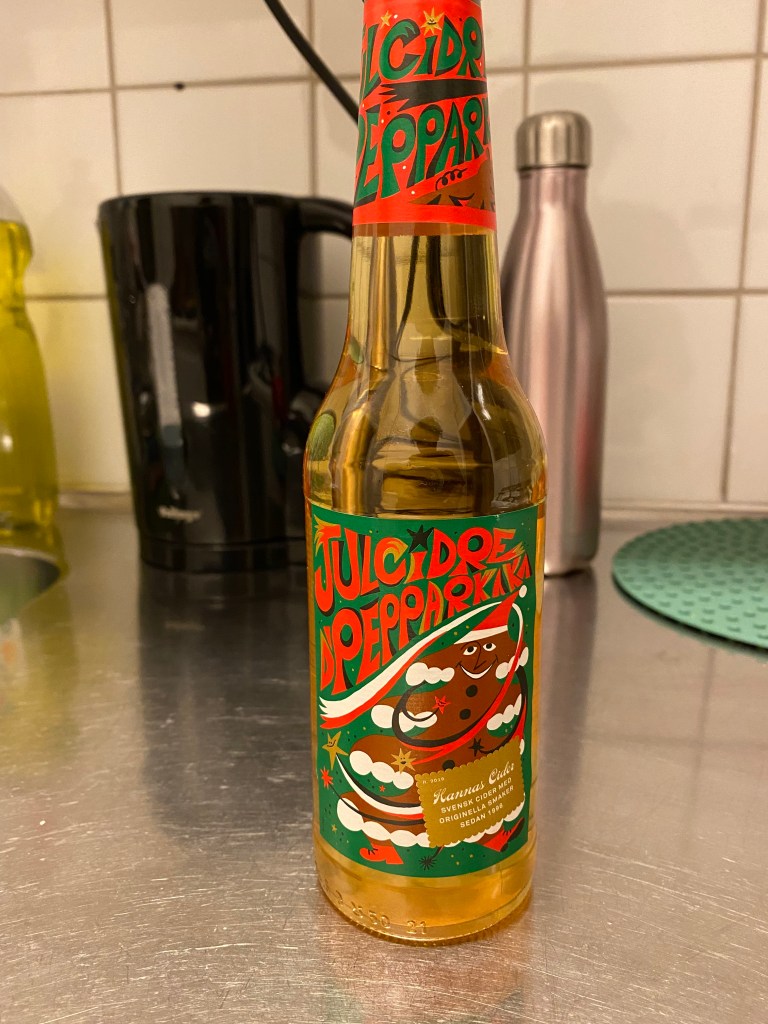
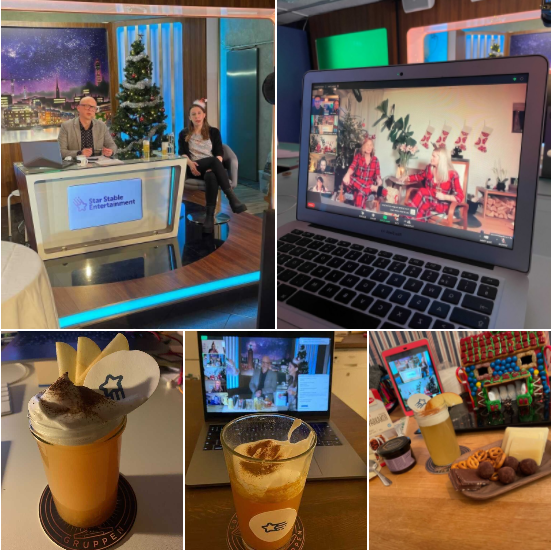
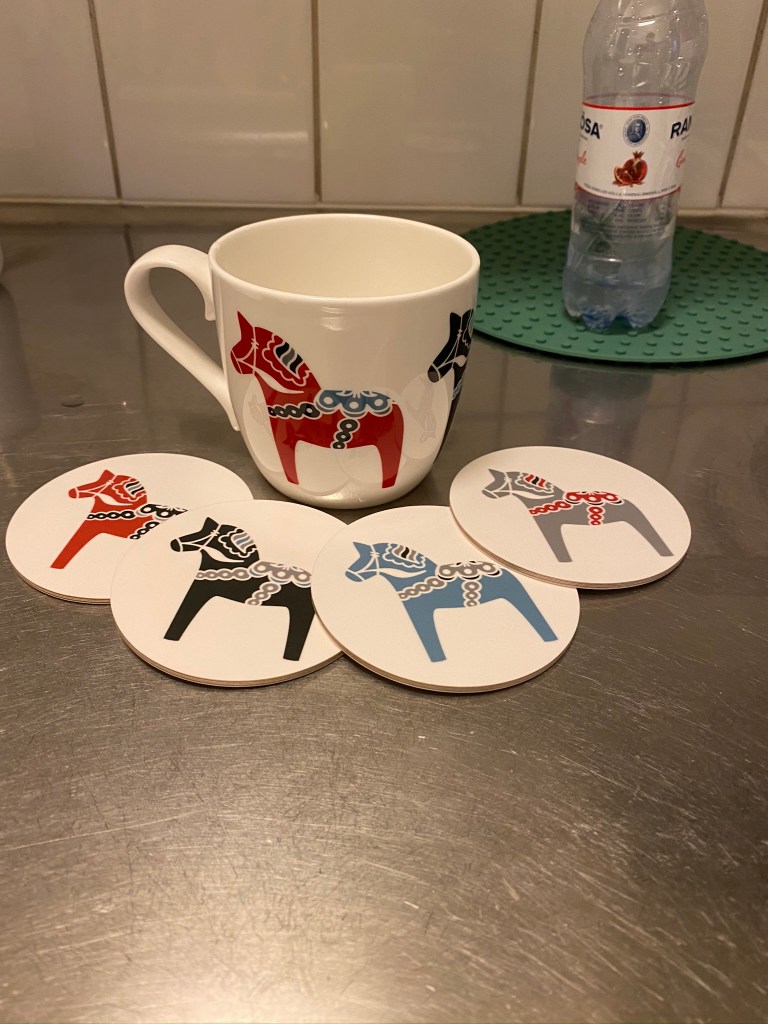
Anyway, thanks to the Systembolaget (the state run liquor store), I can try all kinds of interesting beverages! Most of them are beer, but I have had a chance to try Swedish Glögg, which is their version of mulled wine. It’s quite tasty and does go so well with some saffron semlar buns. Our holiday party was virtual this year, and they even sent us all packages for a Hot Winter Apple Toddy from Cocktail Gruppen. Quite delicious! I’ve added a pic in the slide show, but it’s a mosaic from others because I forgot to take a pic of my own cocktail. Oops!

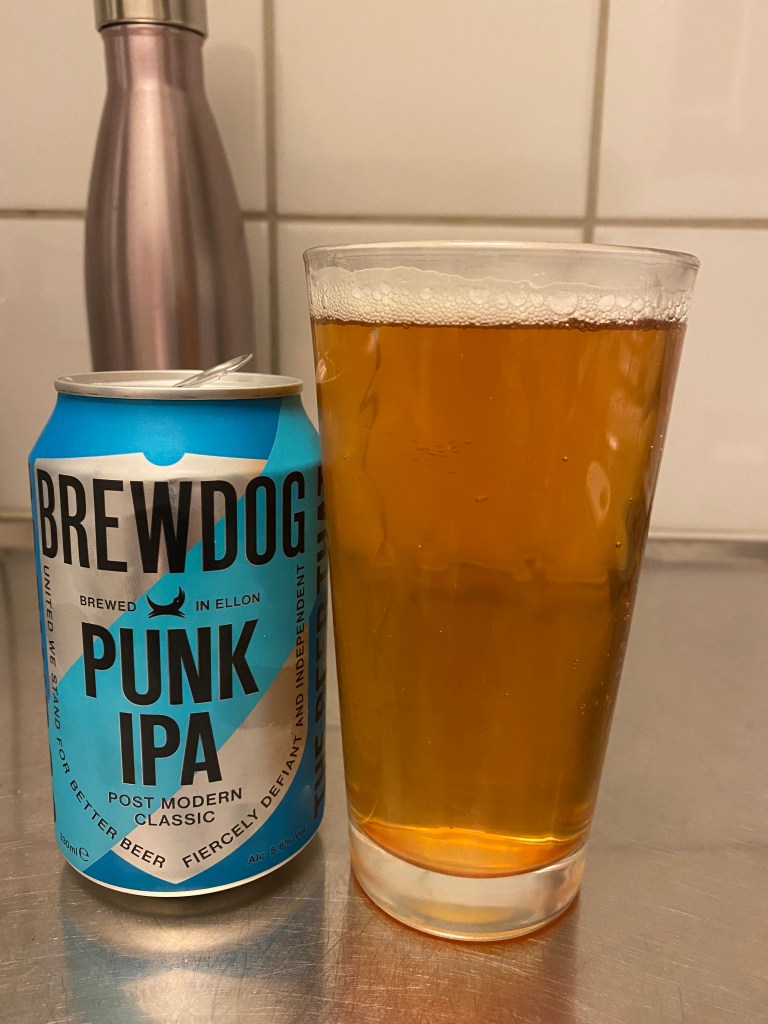
I’ve also found that I really enjoy the IPAs from BrewDog, even though they’re made in the UK. They have a shop and restaraunt down the street from me, but I haven’t gone into it to avoid potential Coronavirus exposure. While Sweden has been pretty lax about the situation, I tend to go out wearing a mask when I’m in public and try my best to take in social distancing as much as I can. In a weird way, I’ve found that most Swedes react in one of three ways to me wearing a mask:

1. They don’t care.
2. I get stared at and it’s assumed I’m a plague bringer, which means I am given a wide berth to take care of my business.
3. People get really close to me for some reason and that’s super uncomfortable.

Passive aggressive behaviors aside, wearing a mask is a personal choice for sure. I want to eventually have the chance to visit the states at some point and I don’t want to risk playing with variables I can easily mitigate, but I won’t begrudge anyone here who doesn’t do the same. Sweden’s approach to the virus has often come under heavy criticism, but all I know is that I feel safer when I wear a mask, and really, that’s all that matters.

Anyway, stepping off my soapbox and diverting the derail back on track, here are some images of the drinks I’ve tried so far. When it comes to bevies though, nothing beats a hot toddy at the end of a cold day.


An Introduction to Game Design

A few months back, I was asked to do a write up on the different disciplines that exist in game design to help onboard a new designer. As a neophyte to design, this person is still unsure of what realm they are hoping to dive into long-term. This was created as a template, a broad introduction, on the different vectors that exist in game design that they may get introduced to during their initial first few years as a developer. While this is a broad list, it isn’t everything, but covers a lot of common roles I’ve come across during my time in game design.

Overview

A summary of the typical tasks and expectations for a newly minted game designer. The intent is to give a broad overview of the most common roles and tasks most new designers experience. An additional quick description of some of the more common disciplines within the design group is also included. Please note that each project, each strike team, and each craft have their own unique characteristics. This is meant to serve as merely a general guide for the purpose of providing some insight into the craft. 

A brief introduction to Game Design and the expectations for a junior or entry level designer

Trying to sum up the complicated nature and description of what a “Game Designer” does is often difficult and hard to explain to those who are not familiar with the general processes of game development. Game designers often don’t code like a programmer, but most know some code language. Designers usually don’t create art assets, or have much to do with rigging an animation for those art assets. Designers also don’t spend a lot of time planning out milestones or developing a schedule; those aspects are often left to game production, directors, and product owners. 

Instead, designers are often the midpoint between all disciplines, taking each aspect of development and actually making them work. 

Years ago, an article on Gamasutra written by Liz England summed up the overall function of a game designer in a very elegant way. She equates the job of a game designer as someone who has to make a door open and close; game designers don’t fabricate doors, they don’t make the code that opens the door, but they are the ones who bring those multiple aspects together and add the finishing touches to it. If you’re curious, you can find the article here: https://www.gamasutra.com/blogs/LizEngland/20140423/216092/quotThe_Door_Problemquot_of_Game_Design.php 

What makes game design such a unique and fun discipline is the encouragement and frequent discussions surrounding new or older games. As a game designer, you should have a vested interest in video, board, or table top games. Not many other professions allow a group of people to discuss game mechanics or share experiences with a game during work hours, and most often, it’s highly encouraged. You’ll frequently hear people refer to experiences they had in a game as starting points for design discussions and the more exposure you have to all things gaming the more at ease you’ll feel. Think about a positive experience you had in a game recently, be it tabletop, video, or board game, and how that experience stuck with you. What made it so fun and unique? What about that moment was so exciting? Now, just take another moment to realize that you are now part of the opportunity to make someone else feel the same way! 

An important piece of information to keep in mind as a new game designer is that no one expects you to know everything. In fact, the expectation most other team members have for a new designer is the interest in learning and observation. That’s basically it!

The thirst for knowledge and the curiosity of trying to understand how things work are the most highly sought after traits that are expected. This message is often echoed frequently to all new designers to help alleviate stress, and also to encourage the new designer to ask questions, or just shadow a more experienced designer. Ideally, you’re a blank slate eager to learn and observe how the craft collaborates within itself and with other game development disciplines. 

During the learning process, most new designers begin to notice the specializations that make up a design team or craft. We’ll examine some of these disciplines and specializations in more detail shortly. The most important takeaway any new designer should carry through their entry experiences is that you will find you are stronger in some aspects of design and weaker in others. This is more than okay; knowing where your interests, strengths, and passions fall while also being cognizant of your weaknesses will only strengthen your arsenal in personal development tools and skills.

A more in depth examination of the typical tasks of a junior or entry level designer

We’ve touched on the general expectation by most team members of a newly appointed designer, with an emphasis on the interest in learning and observing. 

Depending on the starting point into development for the new designer, their experiences with game development in general is very personal and custom to them. 

Some designers begin their journey as developers in Quality Assurance, Customer Support, Content Marketing, or another department altogether, allowing them to witness some of the workflow and processes, including deliverables, testing, release, and support (such as hotfixes and bug reports). Others get their start through a game development school or program, which typically has more of an emphasis on tools and content creation. The array of experiences each new designer has varies making it obvious that there is no one right path into game design. 

Having familiarity with the development process or tool sets such as editors and 3D modeling software helps, but isn’t always necessary. This is because each design group is unique. For example, even though Unity is a very commonly used editor, no two products or games utilize the editor the exact same way. Most games require custom built tools for content creation and bug fixing, such as localization and data management. While it helps to have a basic understanding of an editor such as Unreal or Unity, just keep in mind that you will still need to spend some time learning the basic aspects of the tools. 

Most new designers (no matter their level) spend the majority of their onboarding process learning the intricacies of the tools, including limitations, bugs, and workarounds. 

As you work through multiple aspects of the design process you will begin to notice items that you feel more comfortable with than others. Make sure to keep notes and highlight areas that interest you, that confuse you, or you don’t feel comfortable with touching, because this will help continue facilitating your development growth.

Once a new designer is comfortable with tools and processes, the most common tasks that they begin to tackle often depend on the team’s needs. You may spend weeks fixing old bugs, or helping polish a new content area, you may spend time creating player items and gear, or you may even spend most of your day testing or peer reviewing another designer’s work before it is ready to go to QA. The more exposure you have to testing will help expedite the learning process while also allowing you to help a fellow designer make target deliverable dates with a more polished experience. The most important takeaway during this time is to remain patient with yourself; no one expects a junior designer to build flawless or bugfree content. Instead, the expectation is always going to be the continued willingness to learn and observe.

After a few cycles of shadowing, testing, bug fixing, or tackling smaller tasks, remember to keep updating your personal notes on aspects of these processes you find to be most passionate about, aspects you’d like to learn more about, and areas you still aren’t comfortable with working on. During your one-on-ones with a manager or discussions with your mentors, a more clearly defined role for you will begin to emerge. There is no set time limit for when these specific items will be hit; it’s all very custom to the new designer and will take some time to develop. Have patience with yourself while also continuing to ask questions, observe, and take detailed notes. Once you are ready, you’ll begin to work toward some of the more specialized disciplines within the design department.

The design team/craft makeup

Keep in mind that each product may have a different set of specialization designers. Here, we’ll examine some of the more common disciplines within design: Systems, Content, Narrative, Level, and Economy Design. These are just broad and general descriptions, but are a good starting point in examining some of the aspects you as a new designer may find interesting. The biggest item of note is that each discipline works closely with each other to develop features and deliverables. 

Systems Designers

Designing and working in systems is one of the more common disciplines within design. Typically, these systems can range from the creation of a crafting system, balancing player gear, and retrofitting older content values to newer ones. Most system designers work in numbers, spreadsheets, and formulas to help create a “balanced” gameplay experience.

Content Designers

Content designers often work with game mechanics such as quests, job boards, achievements, and other types of playable content to add more depth to the gameplay experience. 

Narrative Designers

Narrative designers often specialize in the actual story that goes into the game. They work closely with all of the disciplines to tie together the plot and frequently write most of the quest and game descriptions of items such as player gear and lore.

Level Designers

Level designers specialize in creating the actual playable areas that go into the game, spending time working with artists and in game to get a feel for the overall gameplay environment. Painting terrain, using props, and building new areas are just some of their areas of specialization.

Economy Designers

Economy designers often work closely with system designers to create aspects of gameplay that rely heavily on currency. Similar and sometimes overlapping with system designers, their specializations often are focused on in-game shops, item costs, and items that  can be purchased with real word currency.

Conclusion

Think of your introduction to game design as any other skill you may have had to learn and eventually mastered in the past. Things like learning how to ride a bike, playing an instrument, or even writing a good story all took time and practice to hone your skills. There will be some days you will feel you’re finally getting the hang of it only to notice a bug you cannot fix. Don’t fret, rather take a moment, maybe even a break, and come back to it. Don’t be afraid to ask for help. Asking for help, feedback, and continuing to ask questions are aspects that will help make you stronger and eventually allow you to develop a more natural intuition for design. 

Remember that moment I asked you to recall from a recent gameplay experience that left you with a positive experience? At some point the content you help create will also do the same for someone else, and even though you may go through some trying times with the editor, with the tools, or even trying to understand how things work, it all pays off when you get to see a positive response to a piece of gameplay you helped design.
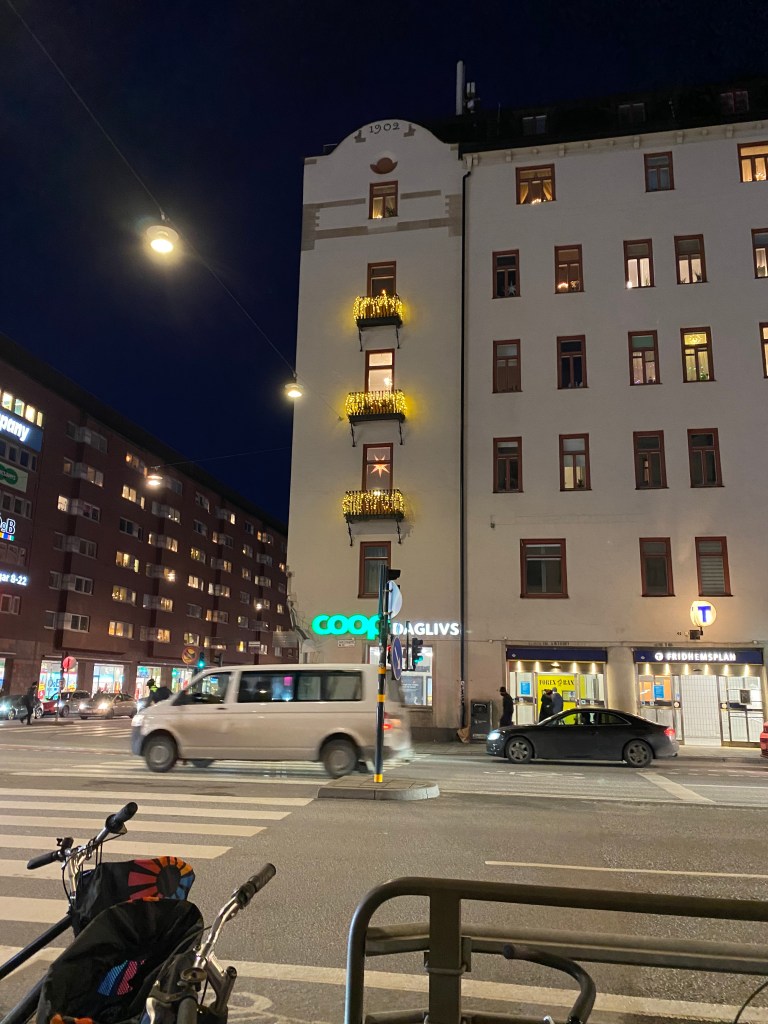
Stockholm at Night

As COVID-19 rates increase, I’ve decided to stay in to avoid large crowds and possible exposure. After a polite message from the government to several areas of Sweden with high population rates, other people have also done the same. Our office has even closed again (even during the short time it was reopen, there was a max of only 20 people allowed in office per day) to follow the suggested guidelines to avoid further spreading. The threat is very real and I suspect it’s going to fluxuate as the holidays approach and more people travel.

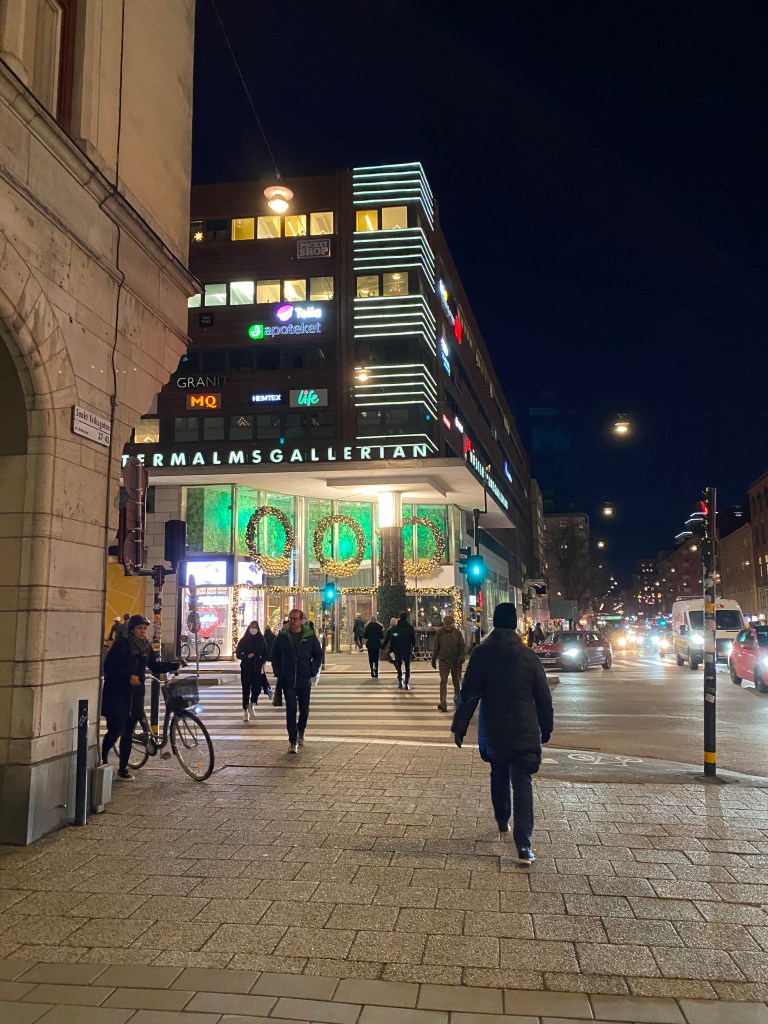
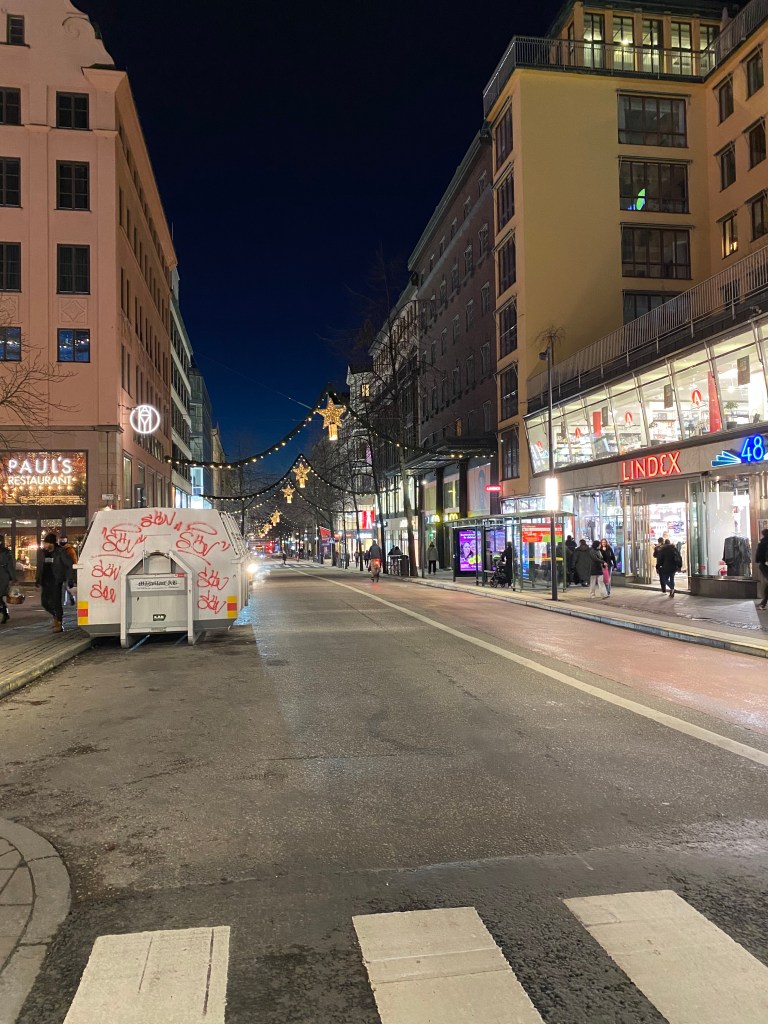
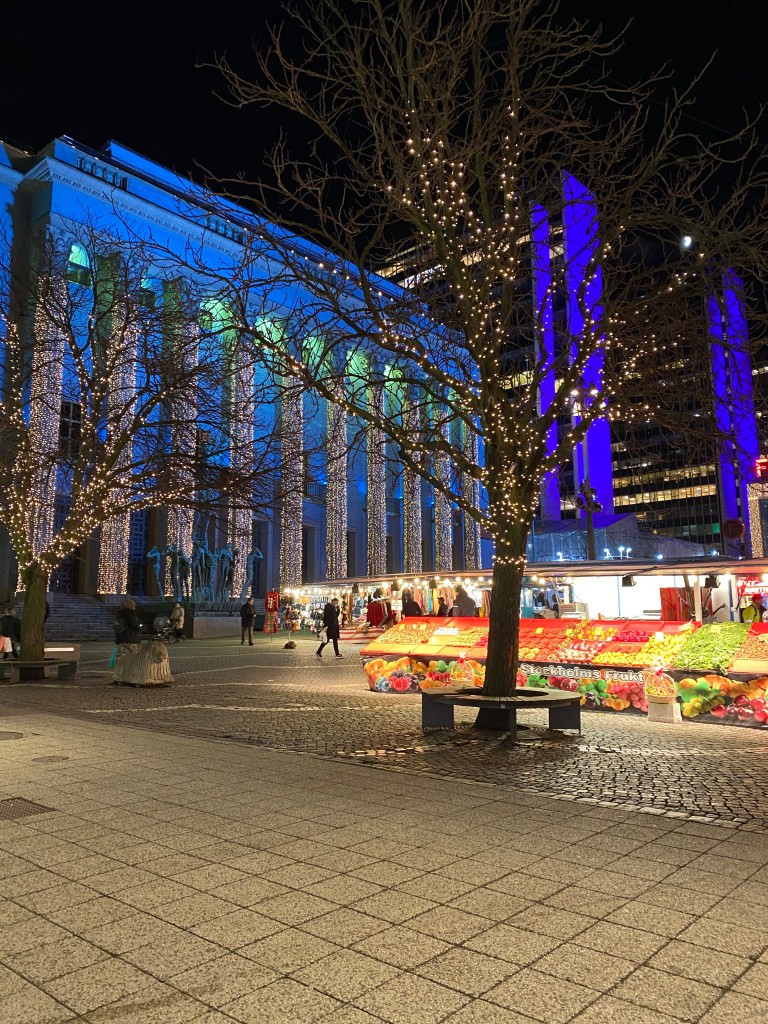
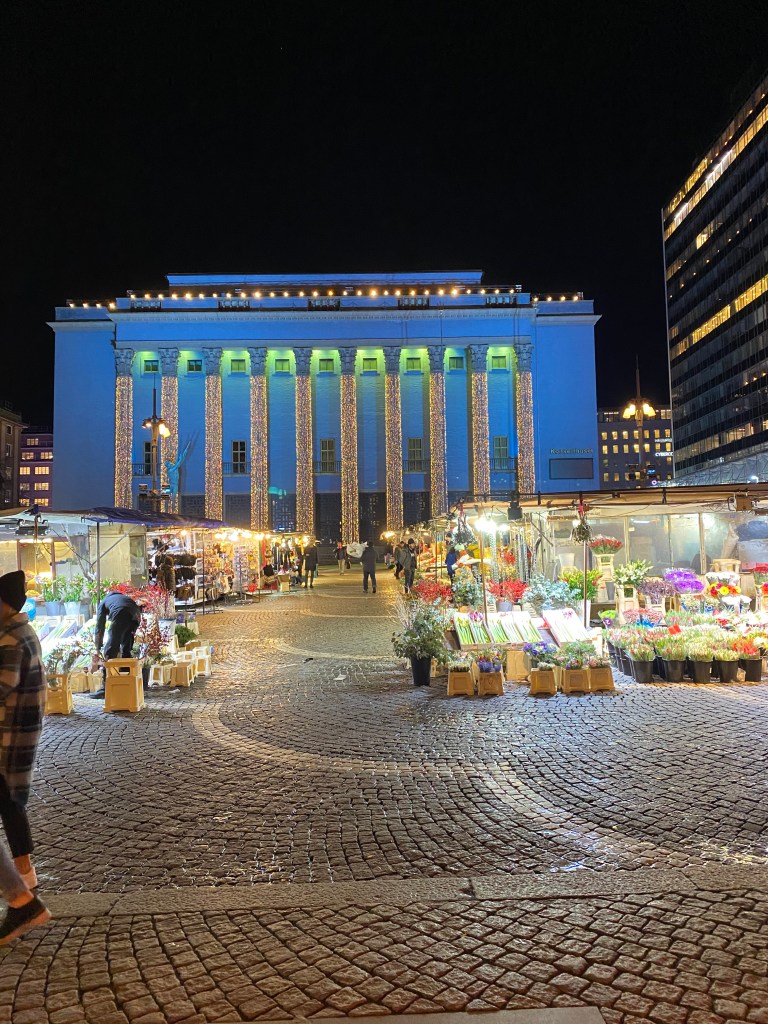
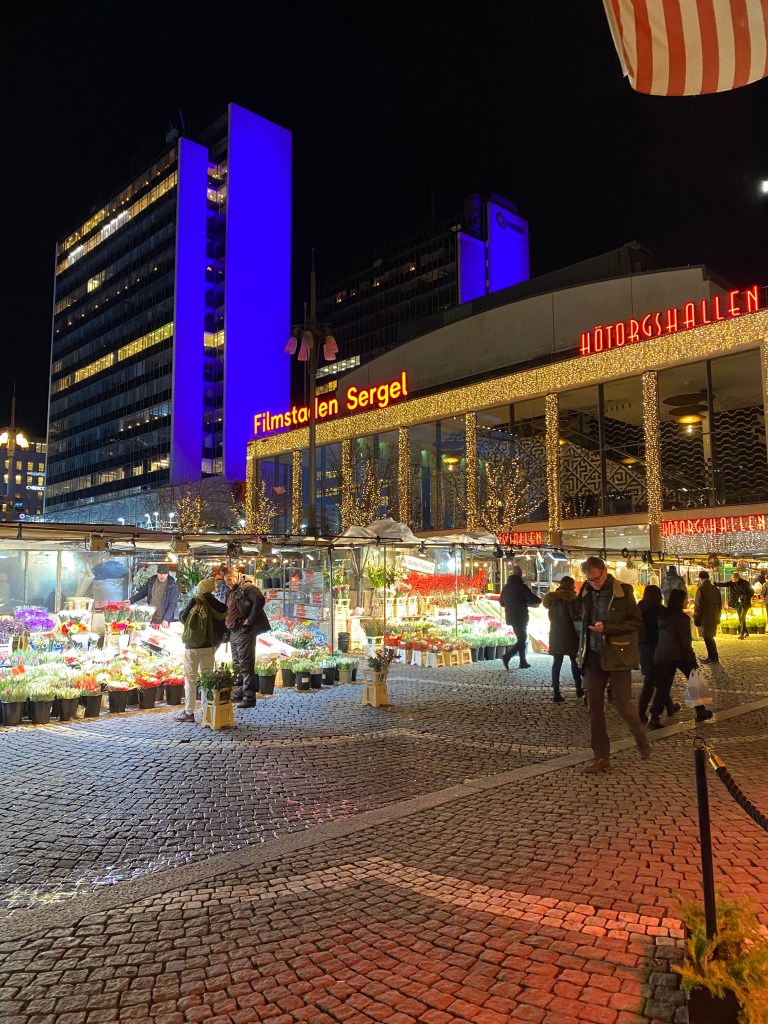
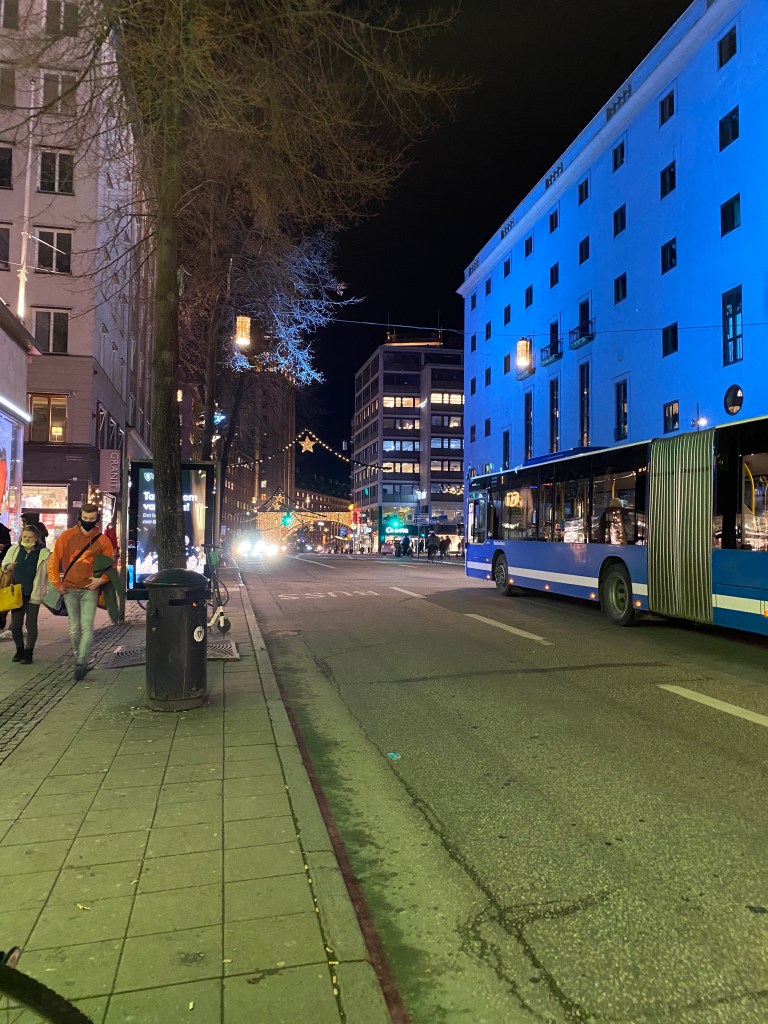
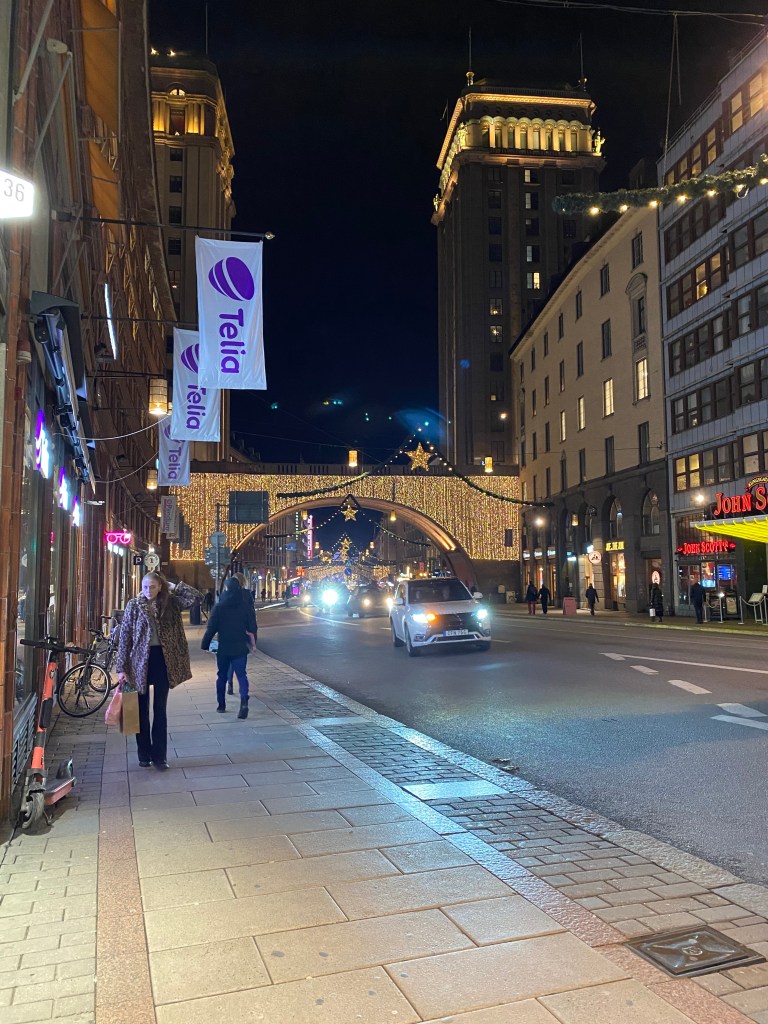
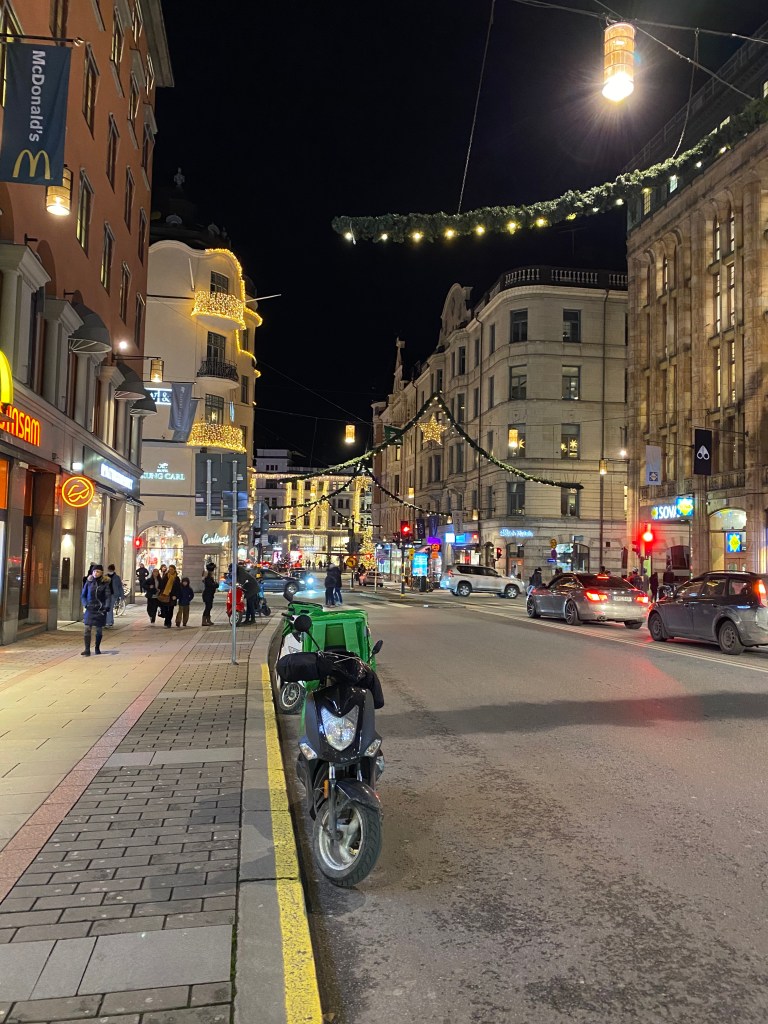
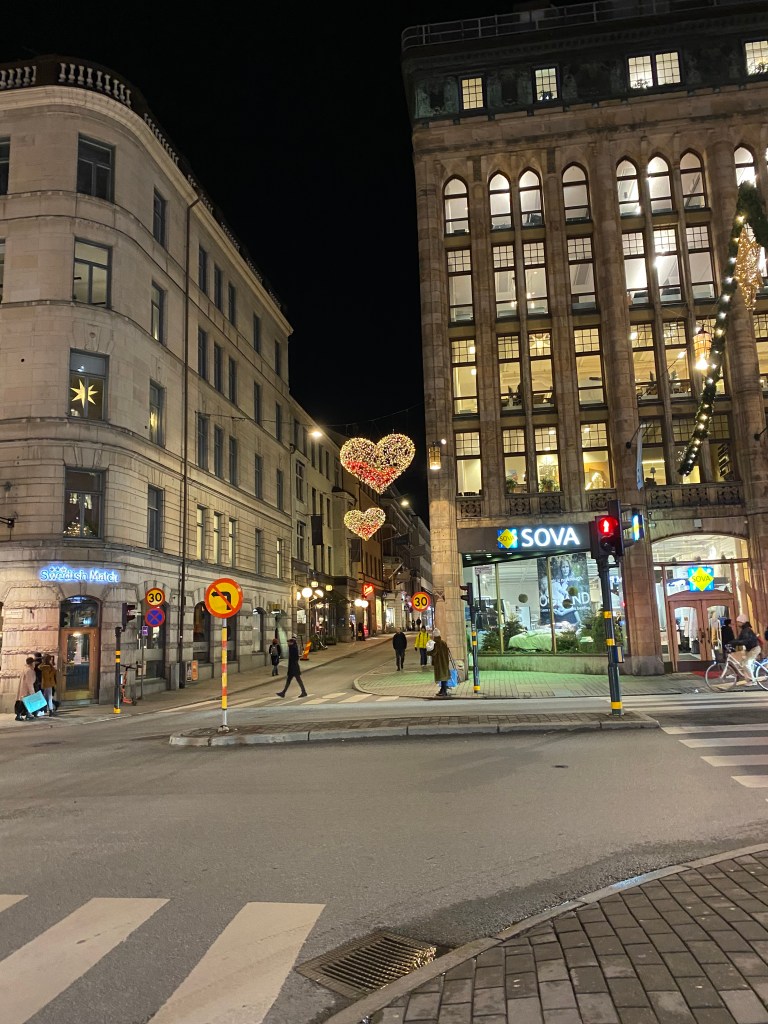
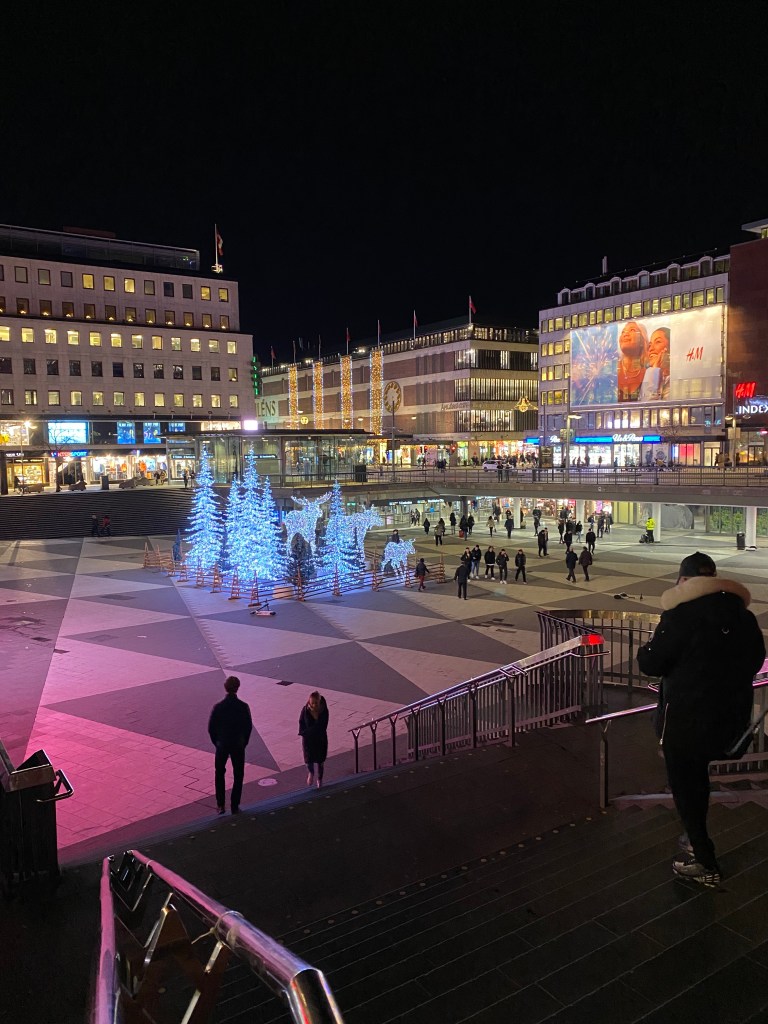
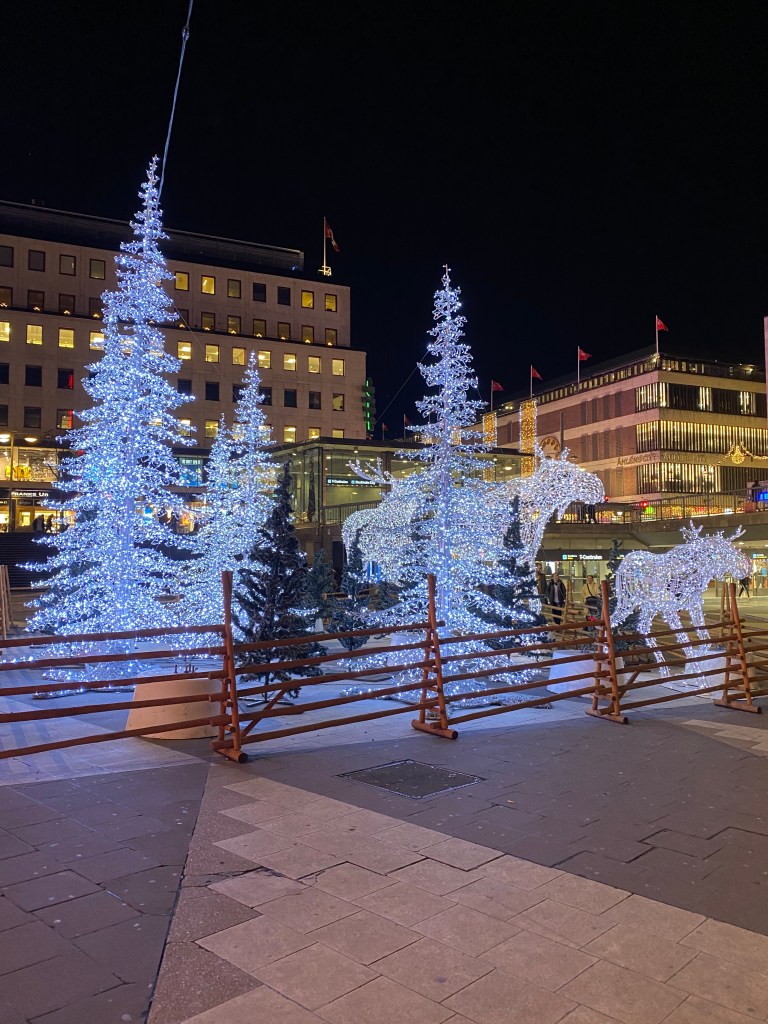
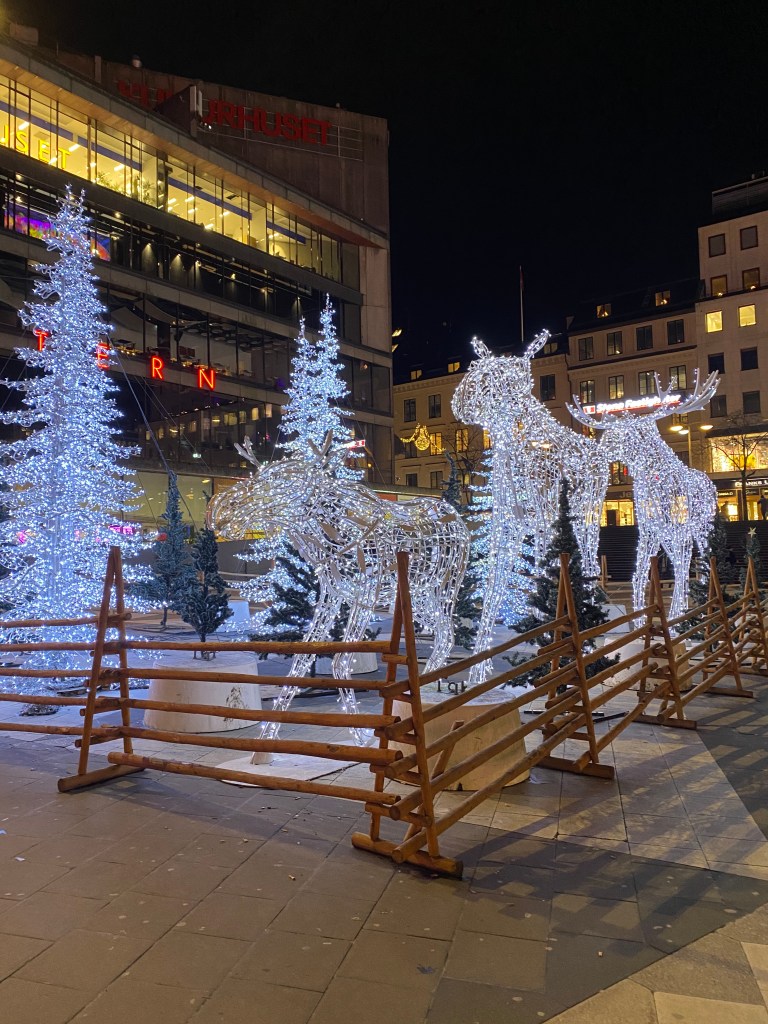
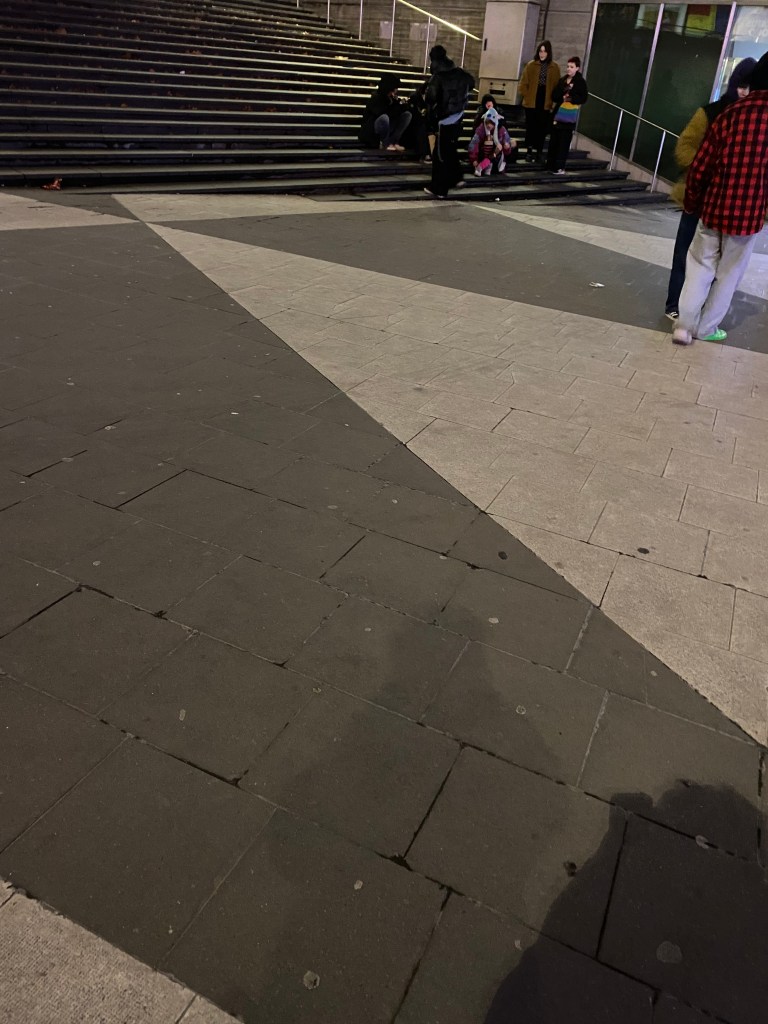
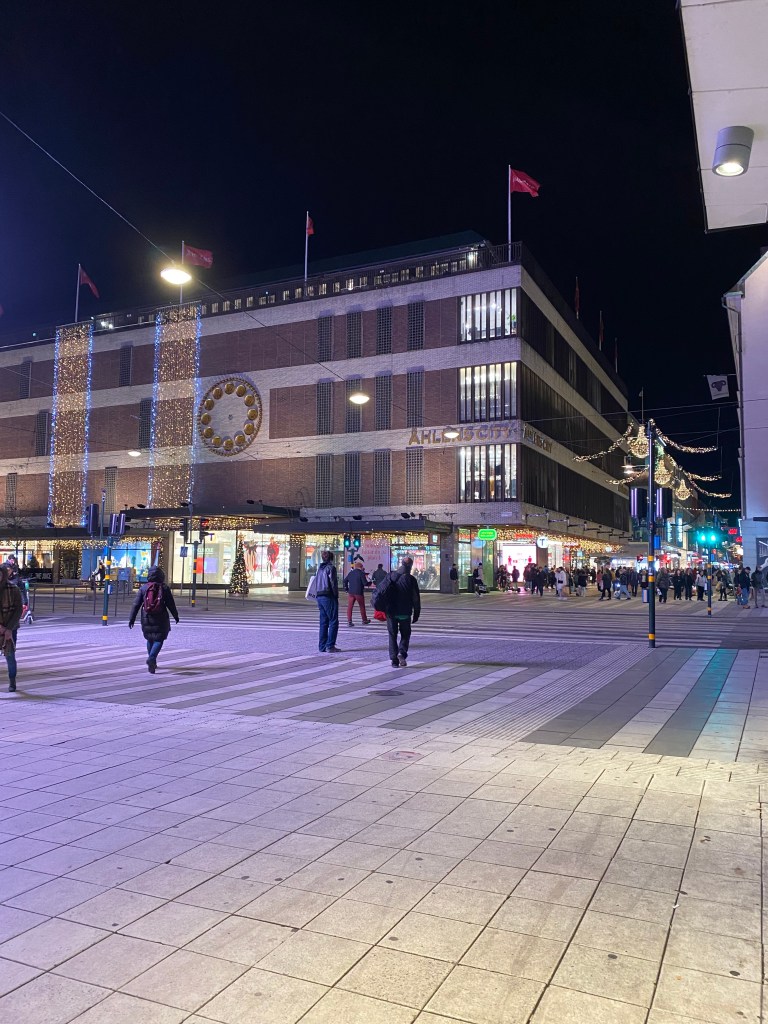
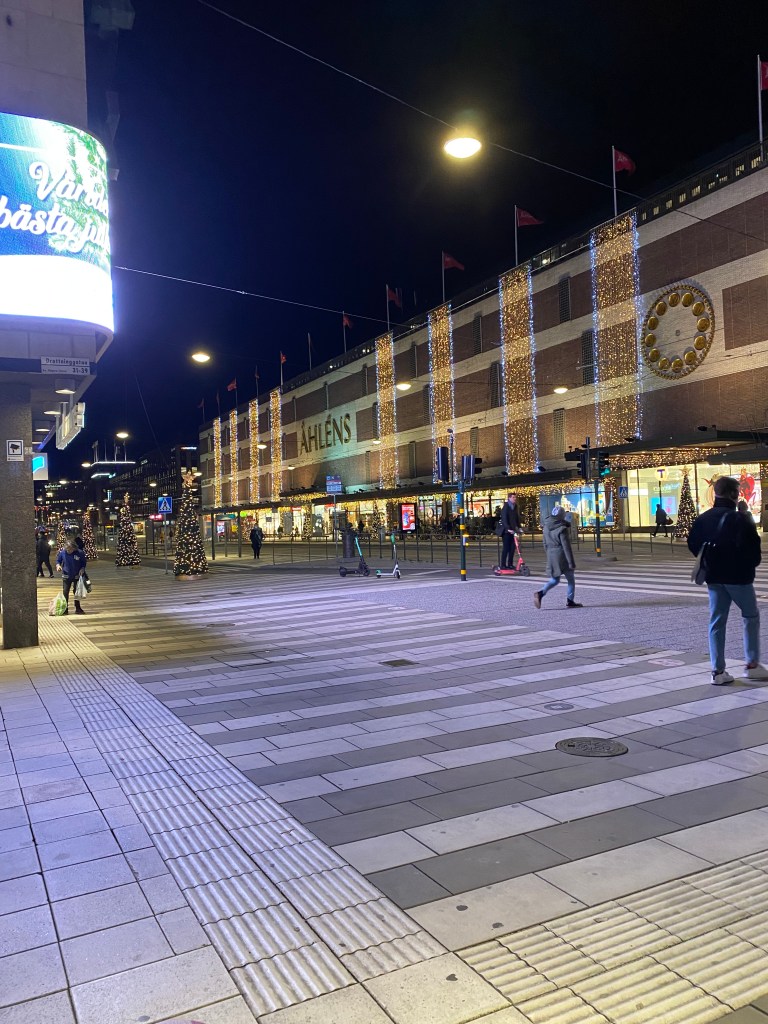
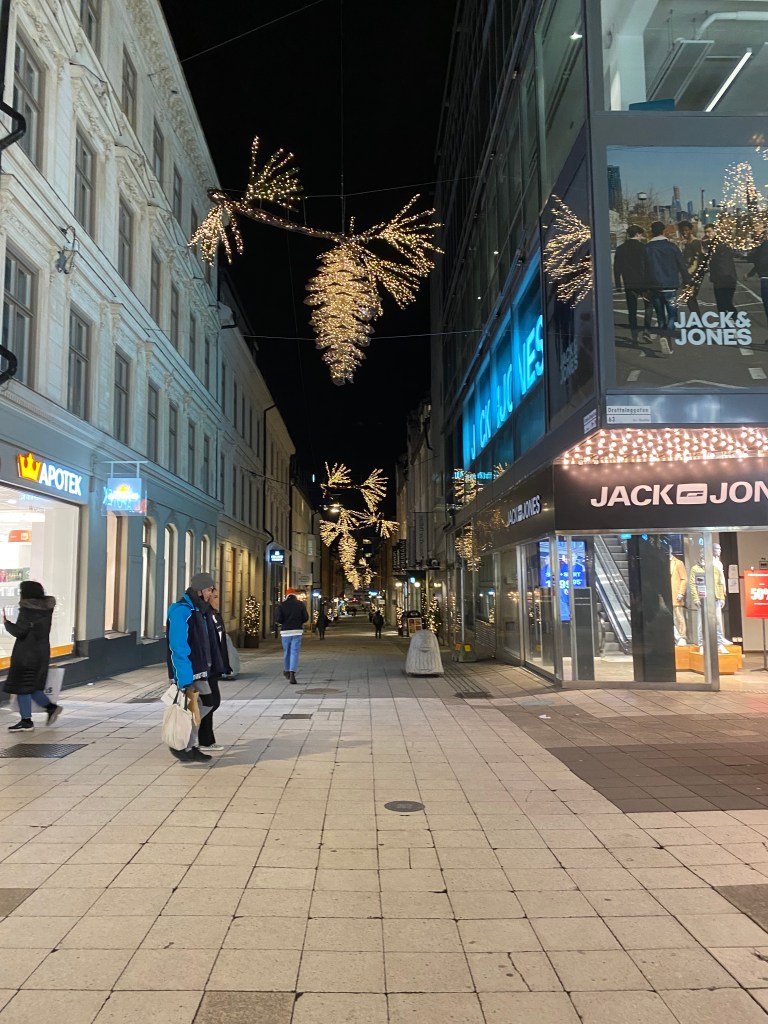
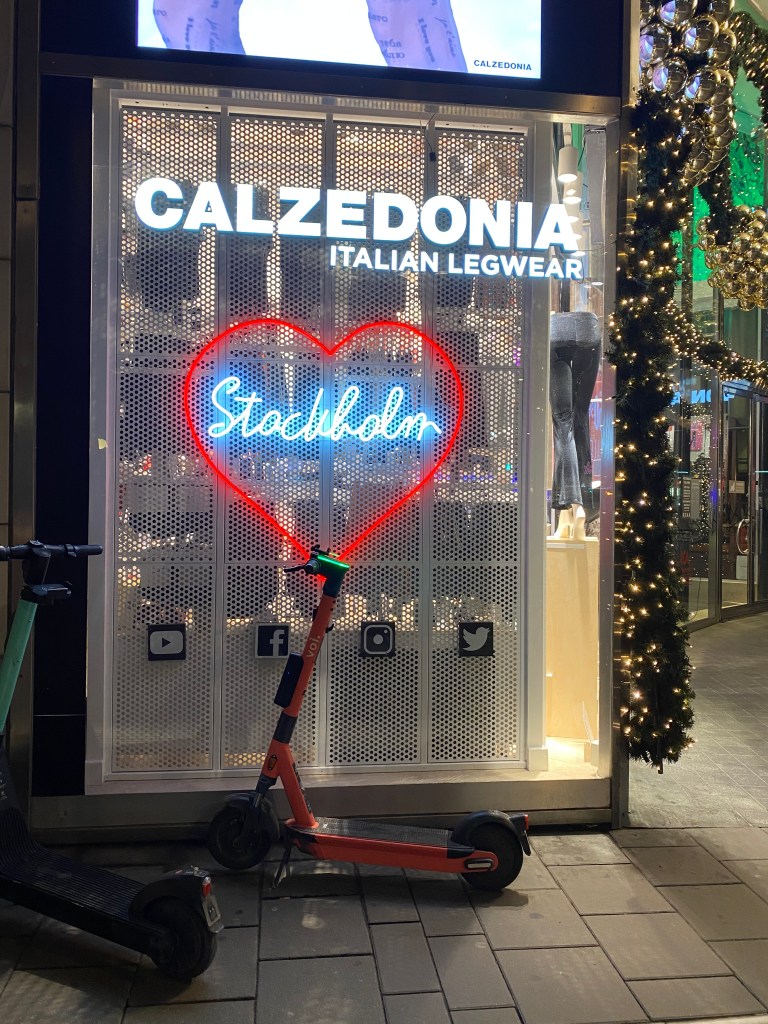
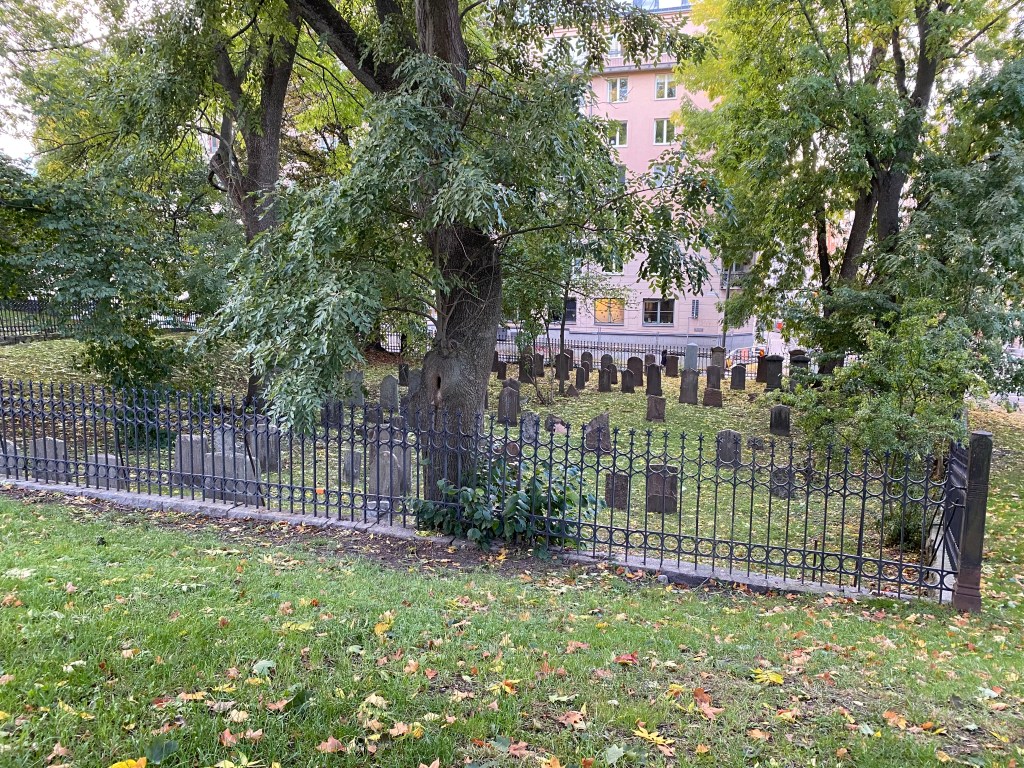
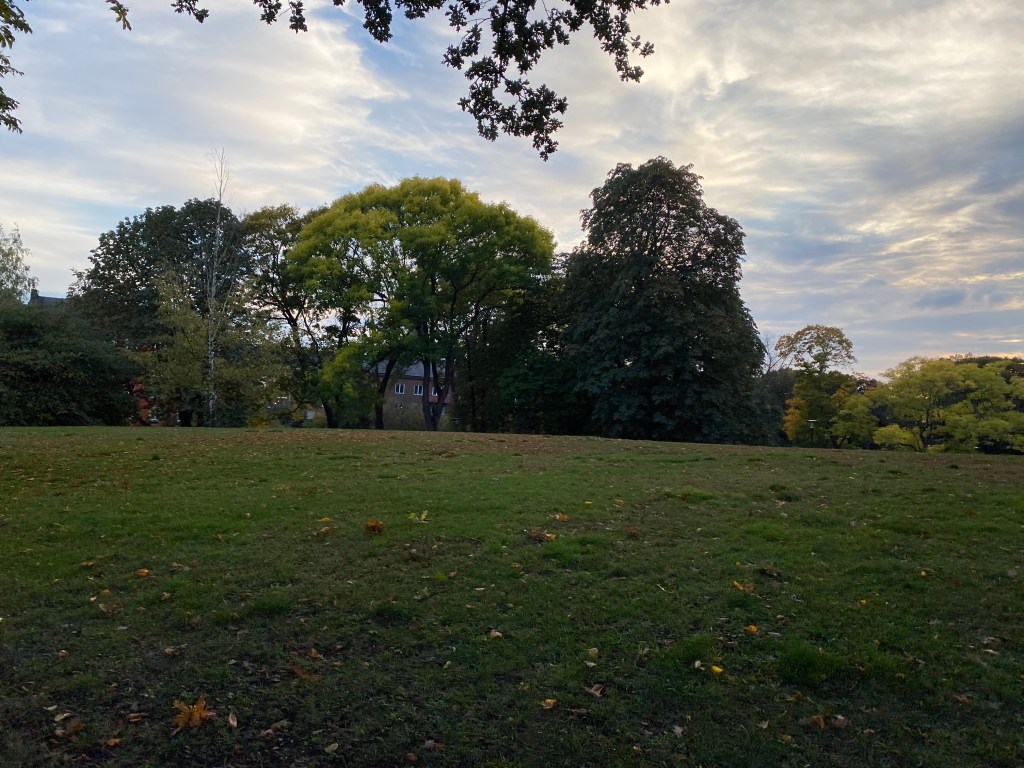
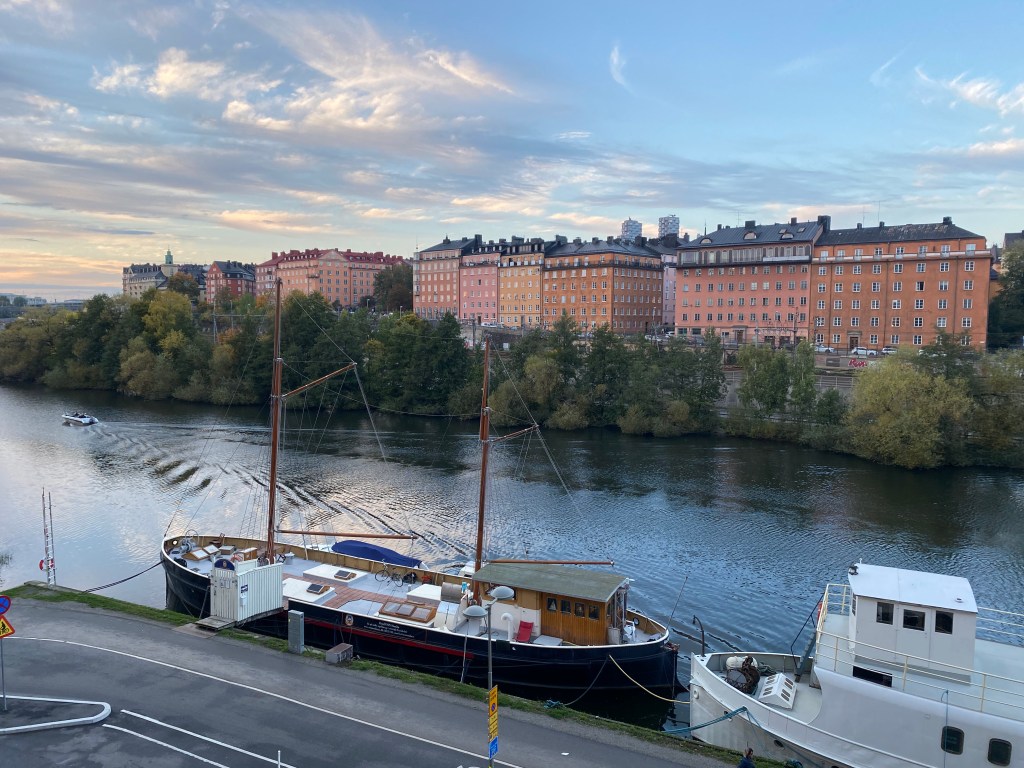
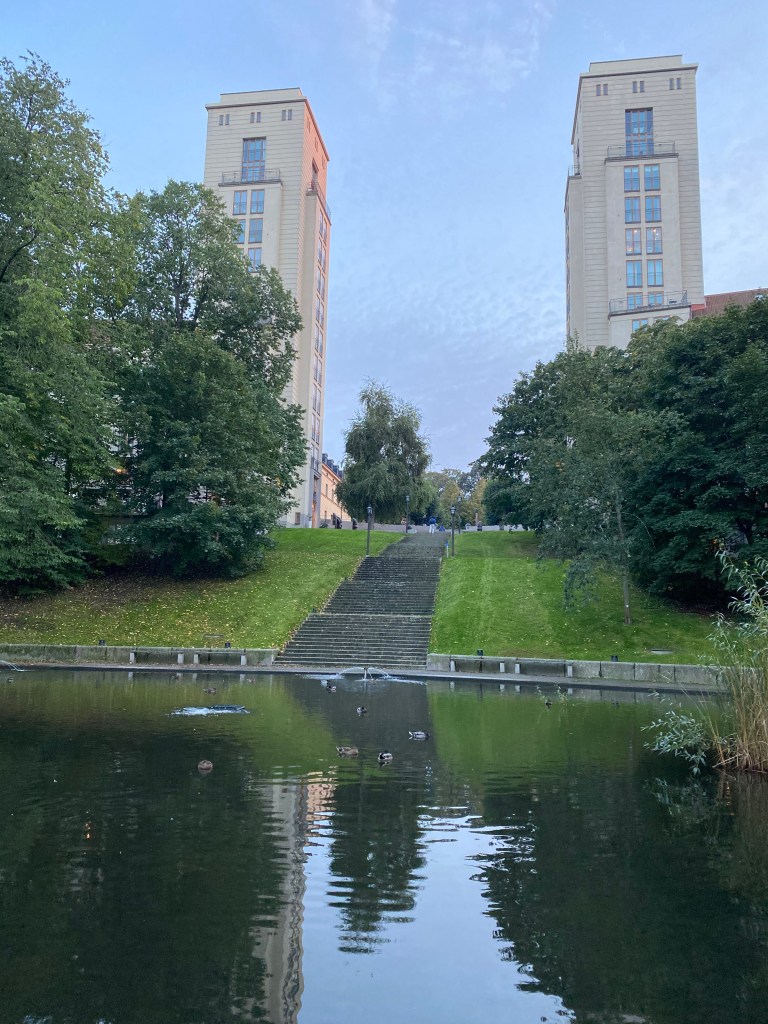
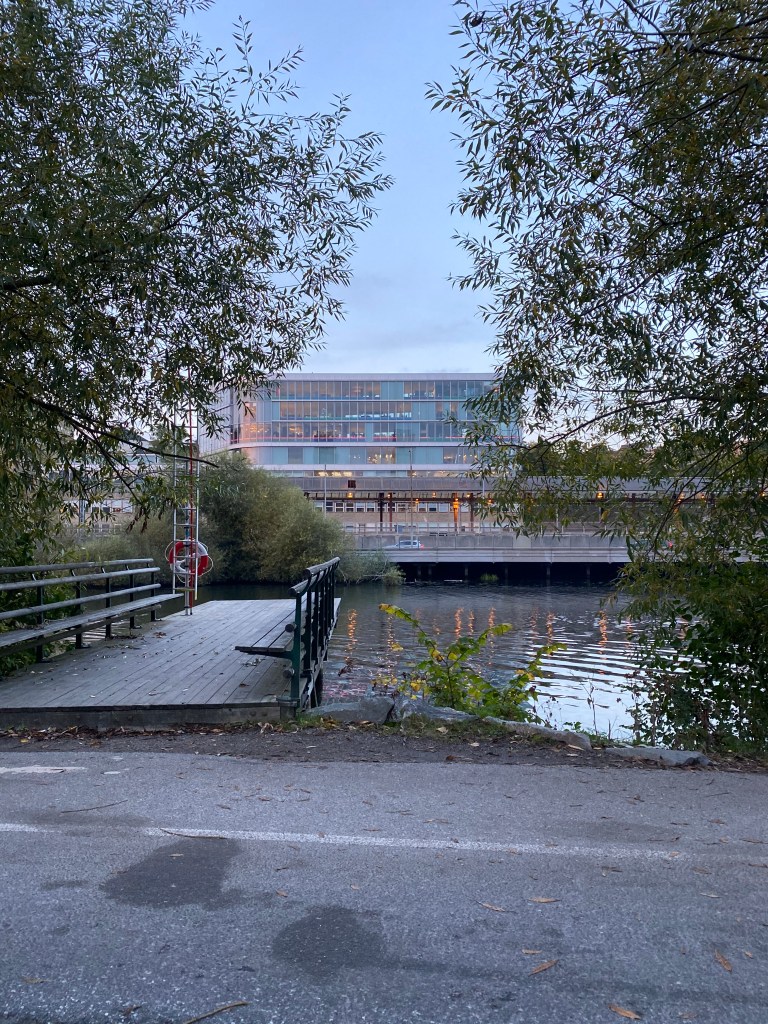
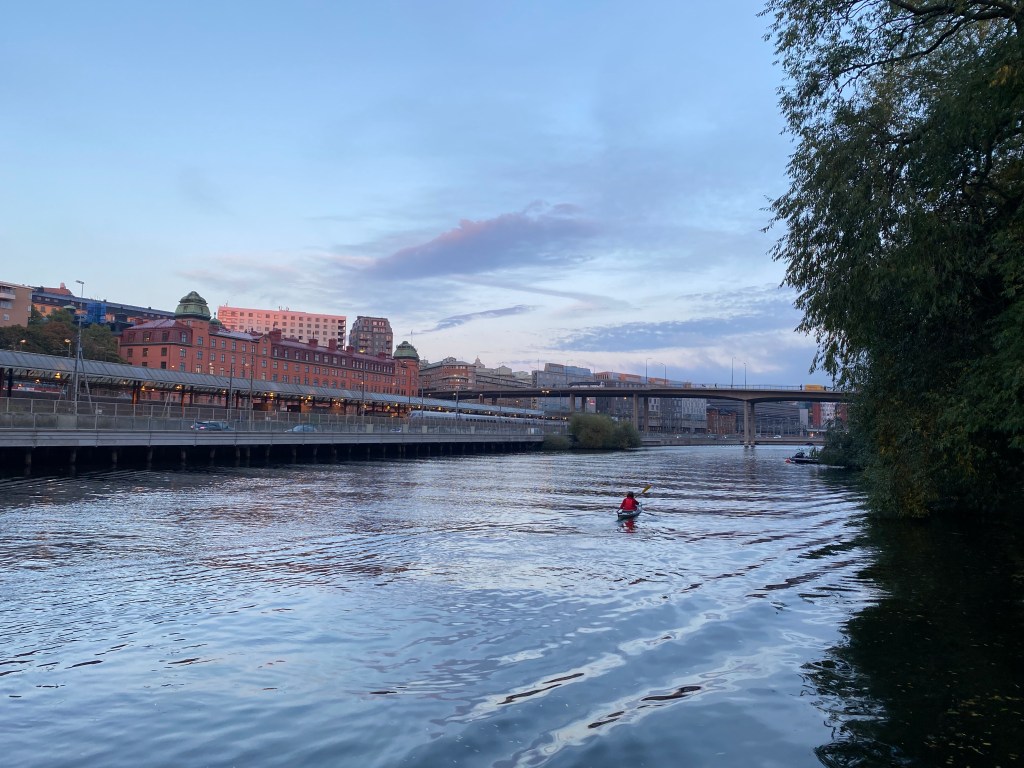
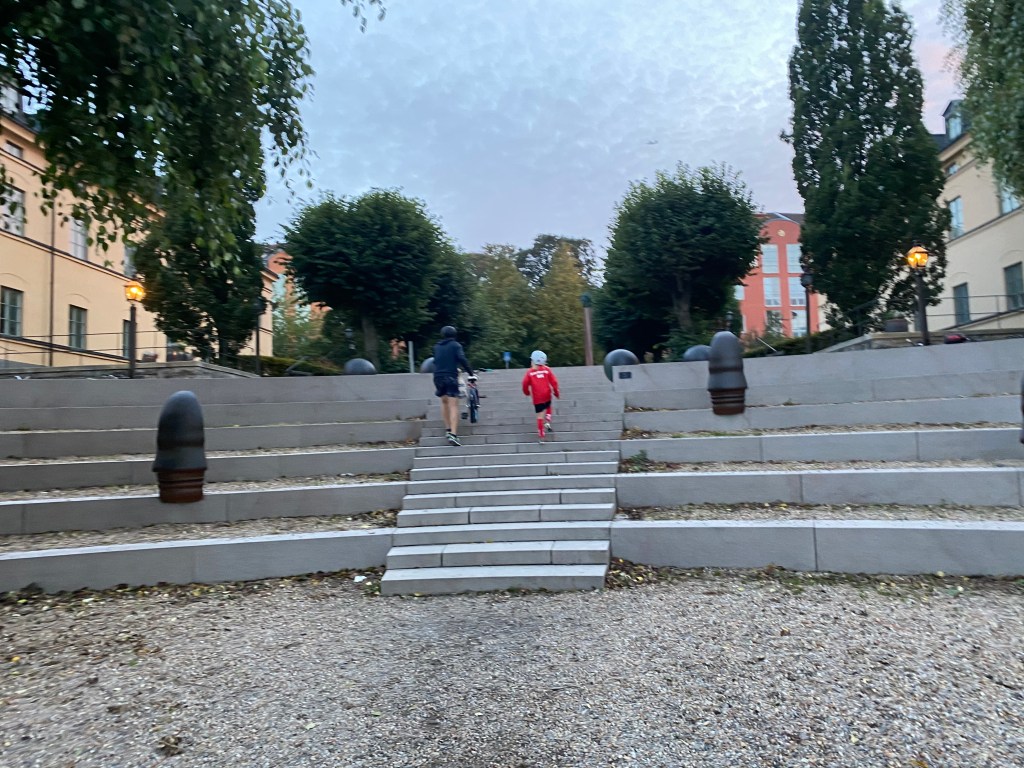
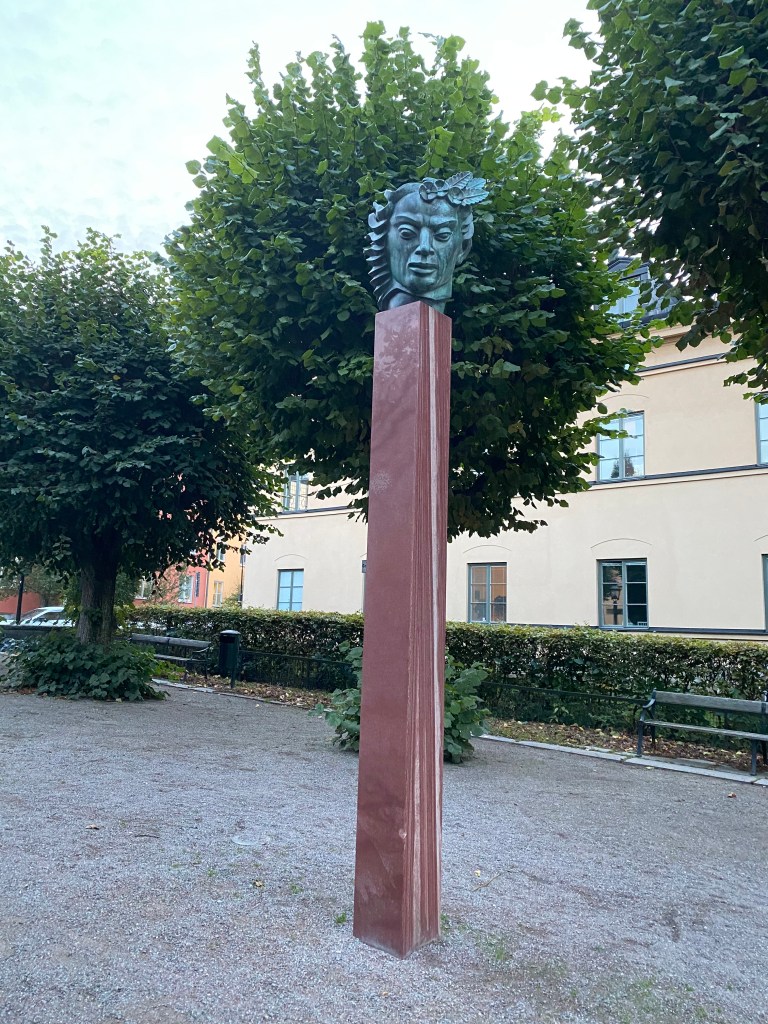
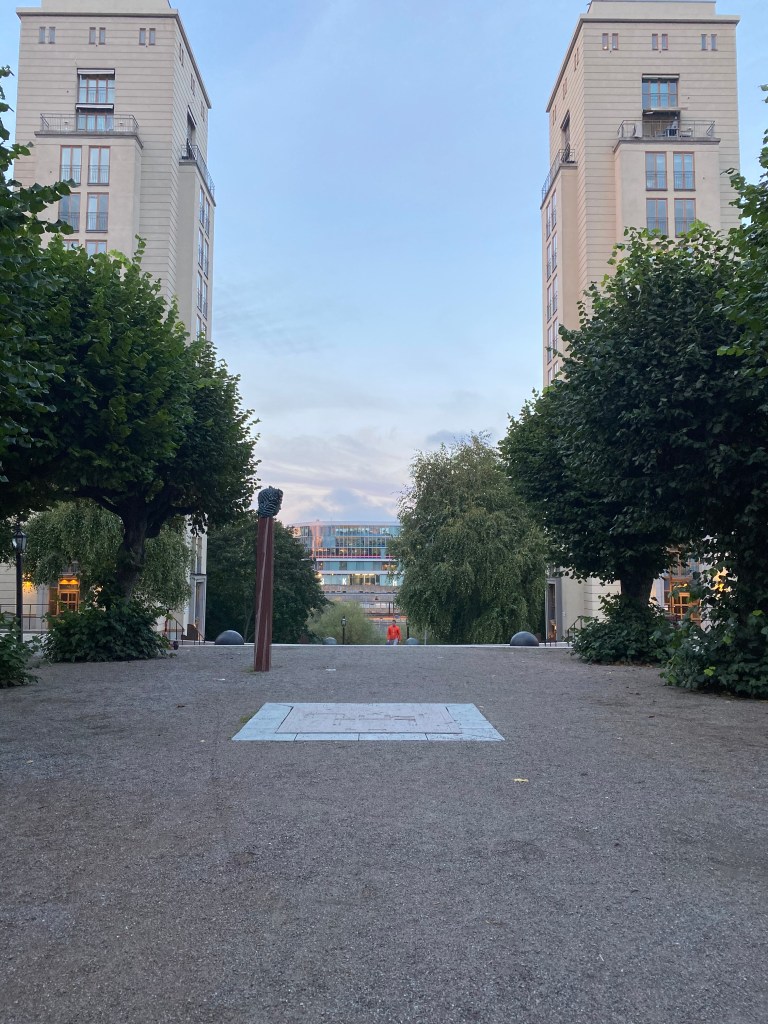
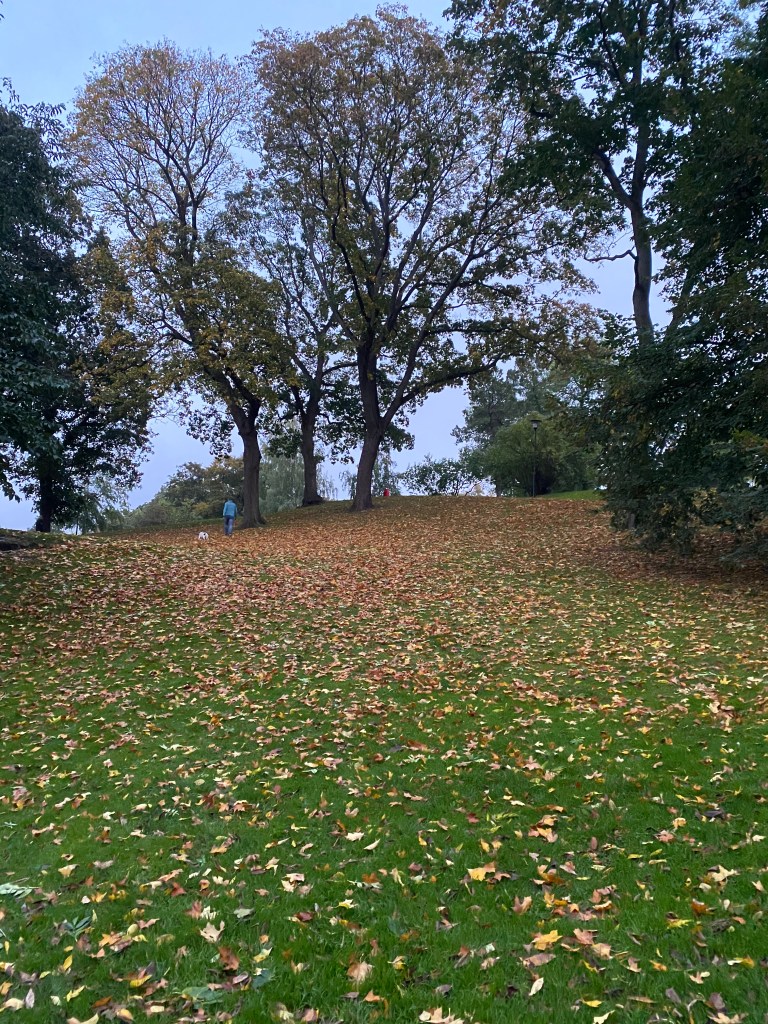
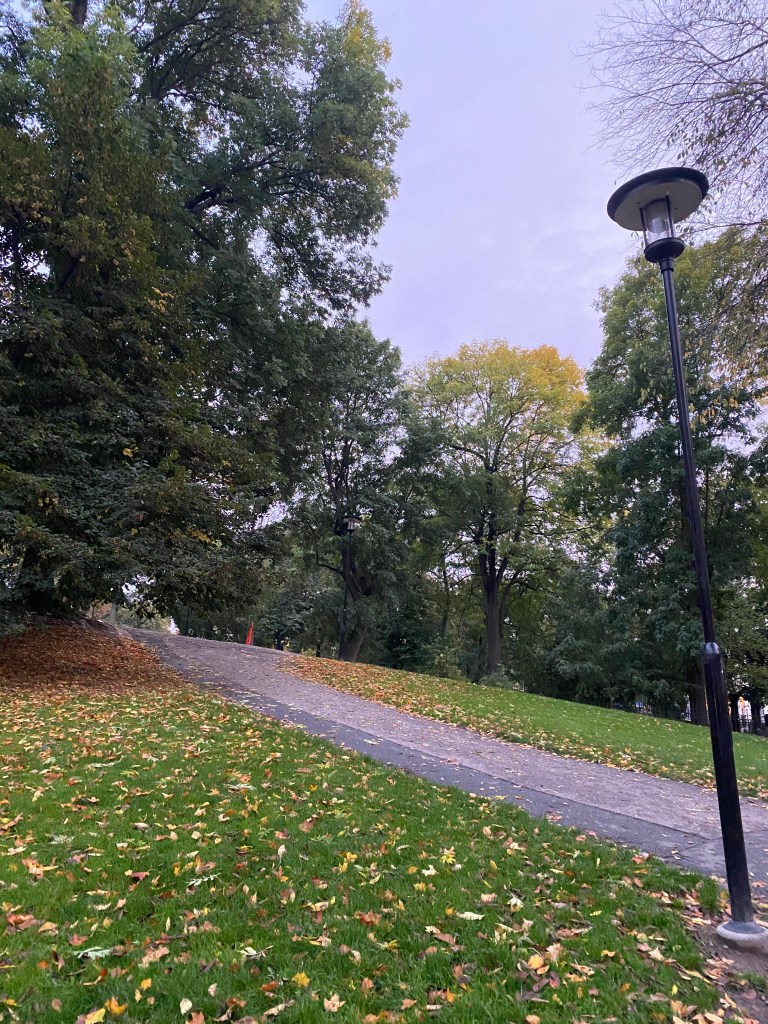
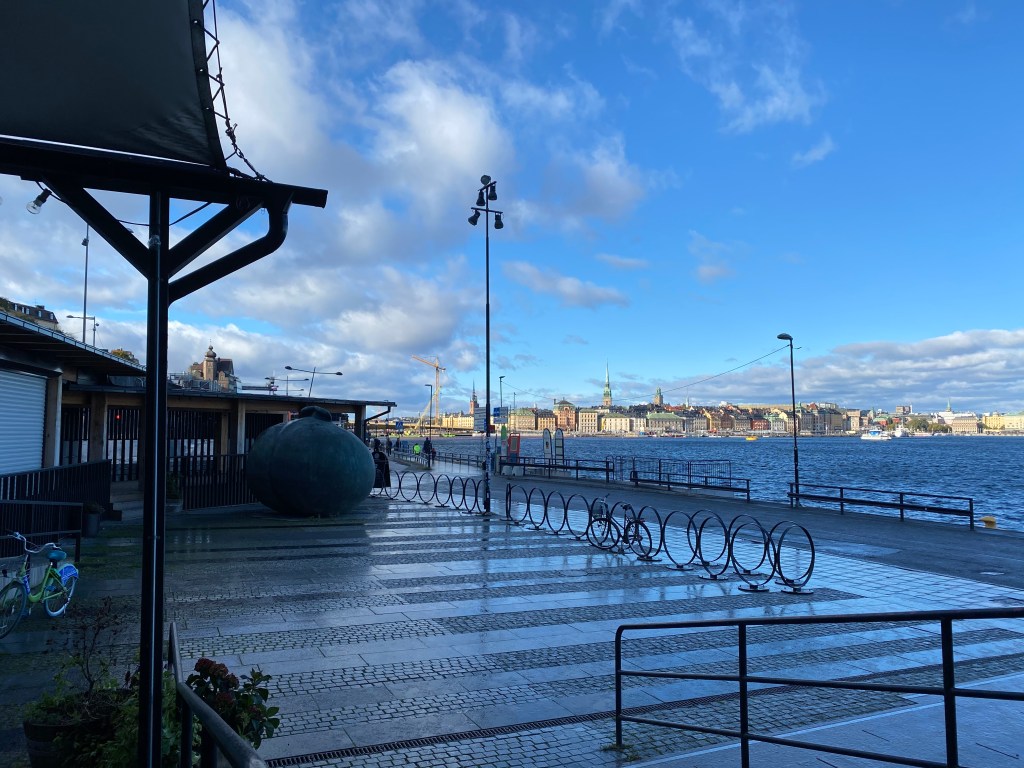
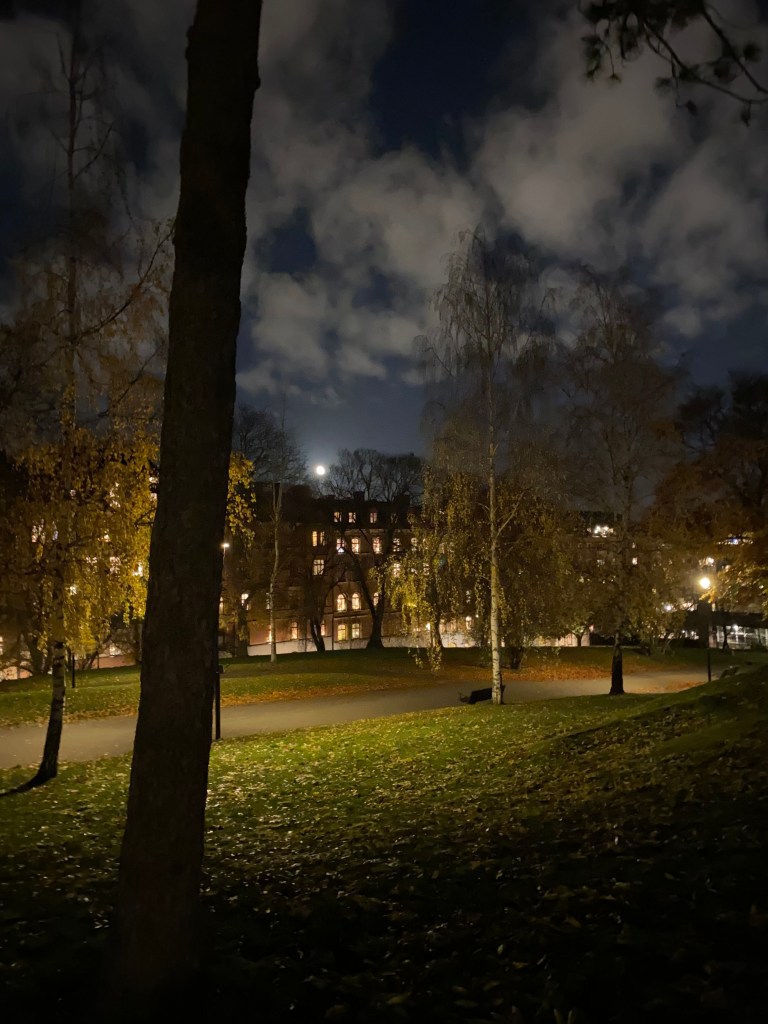
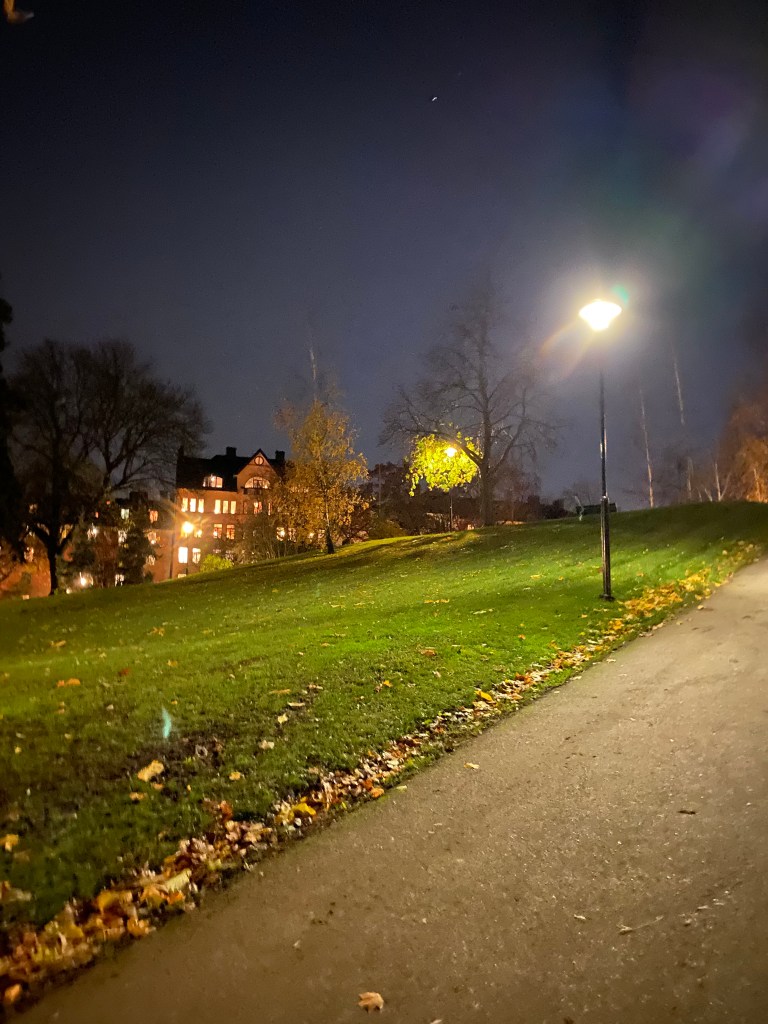
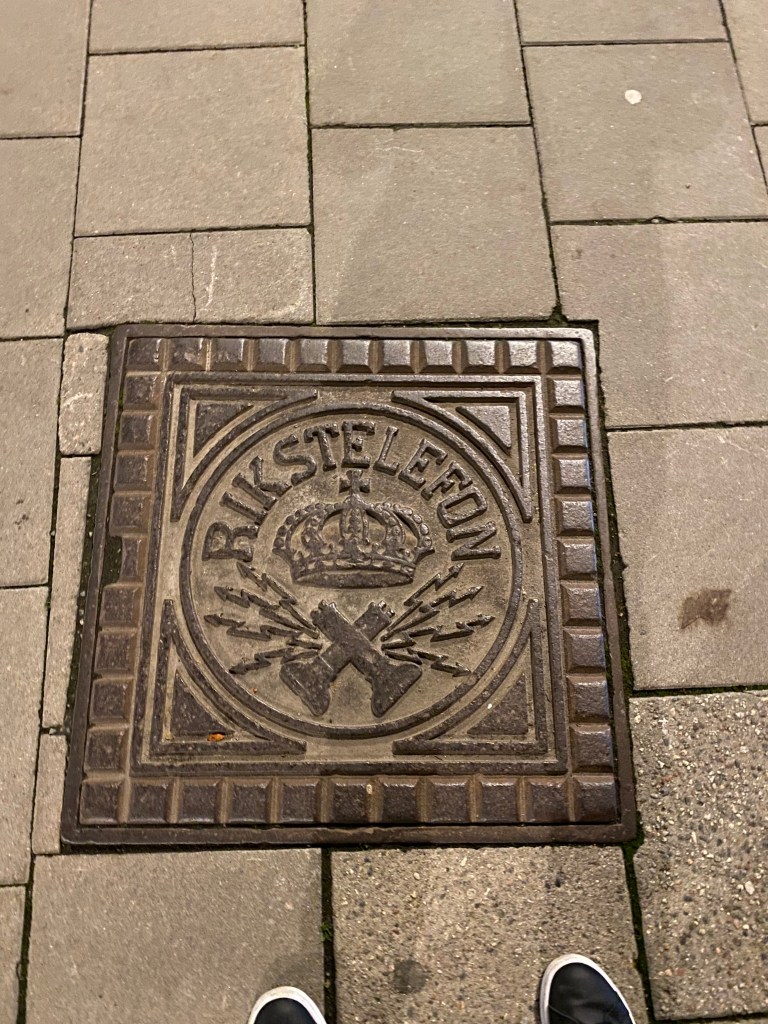
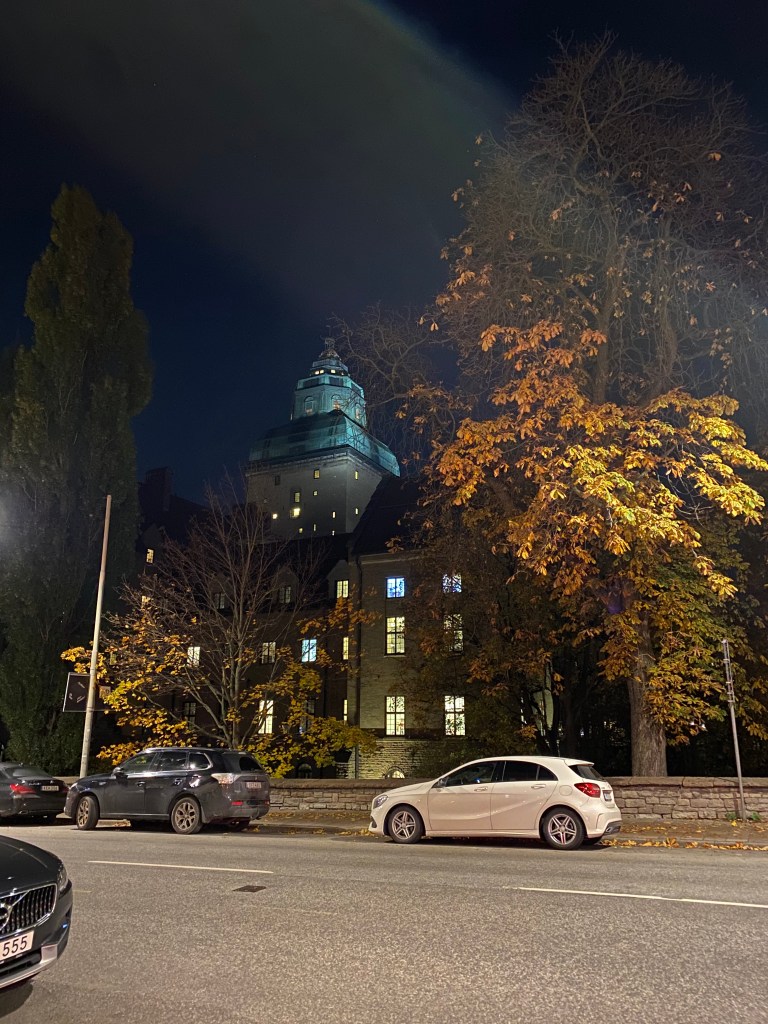
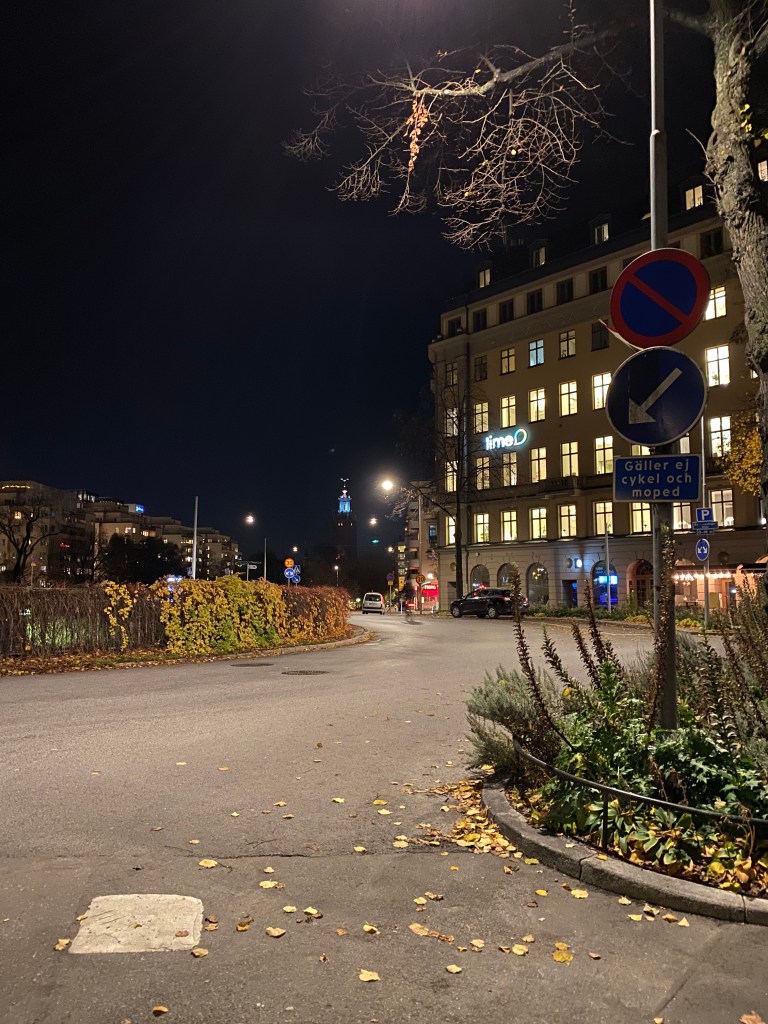
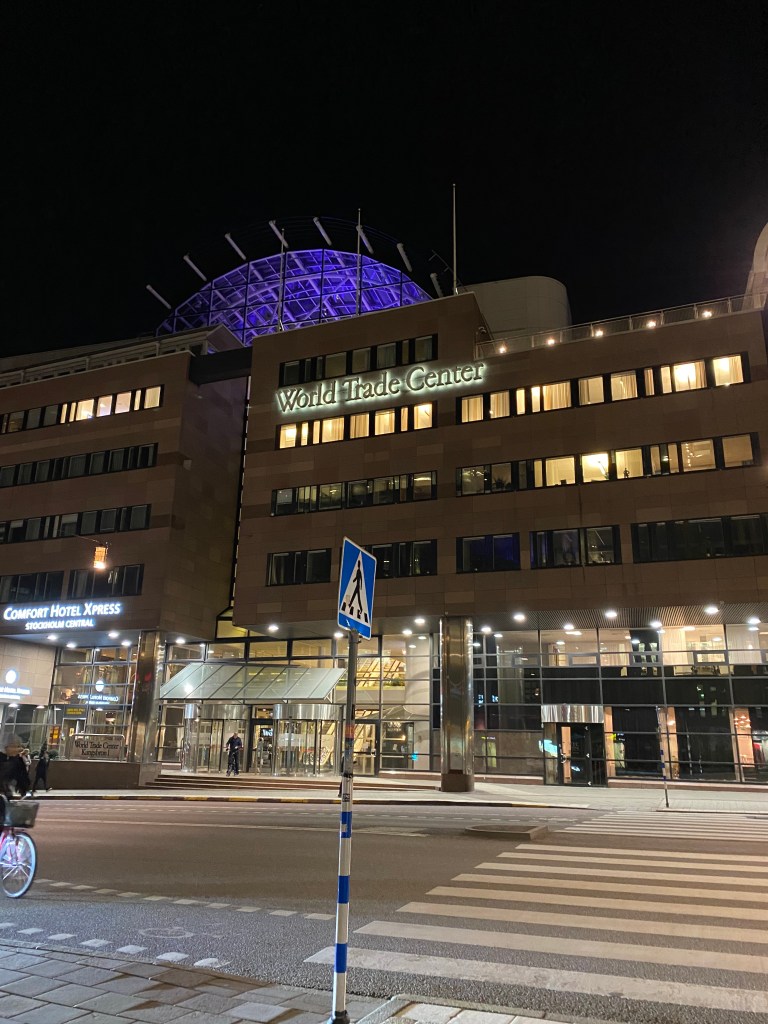
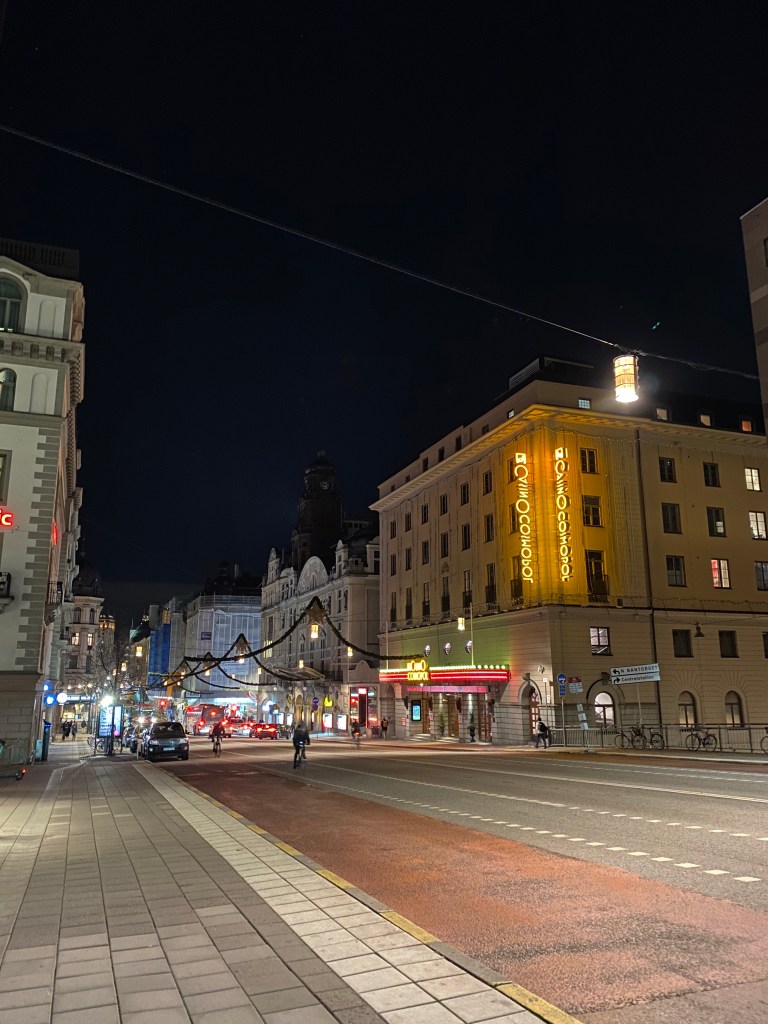
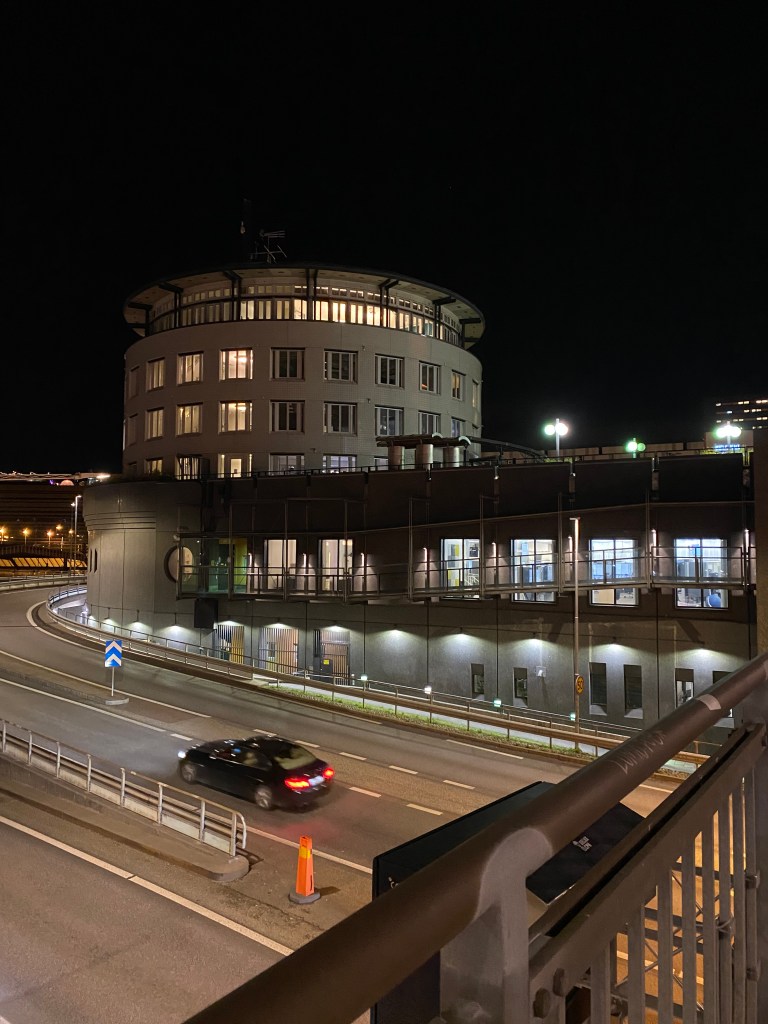
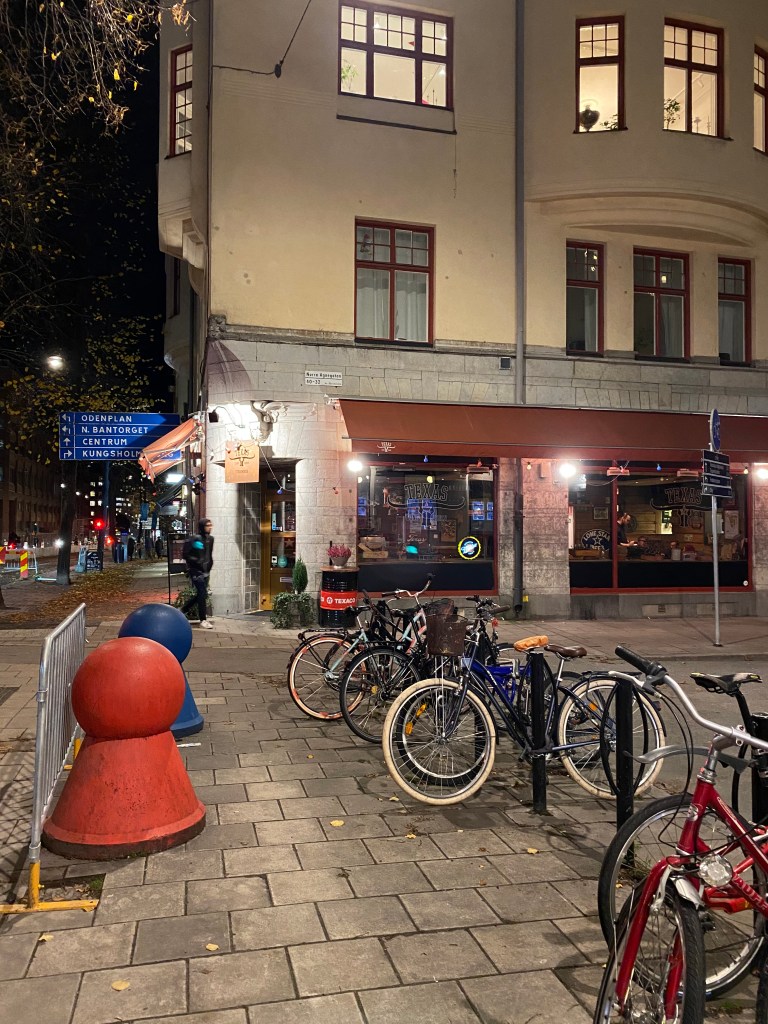
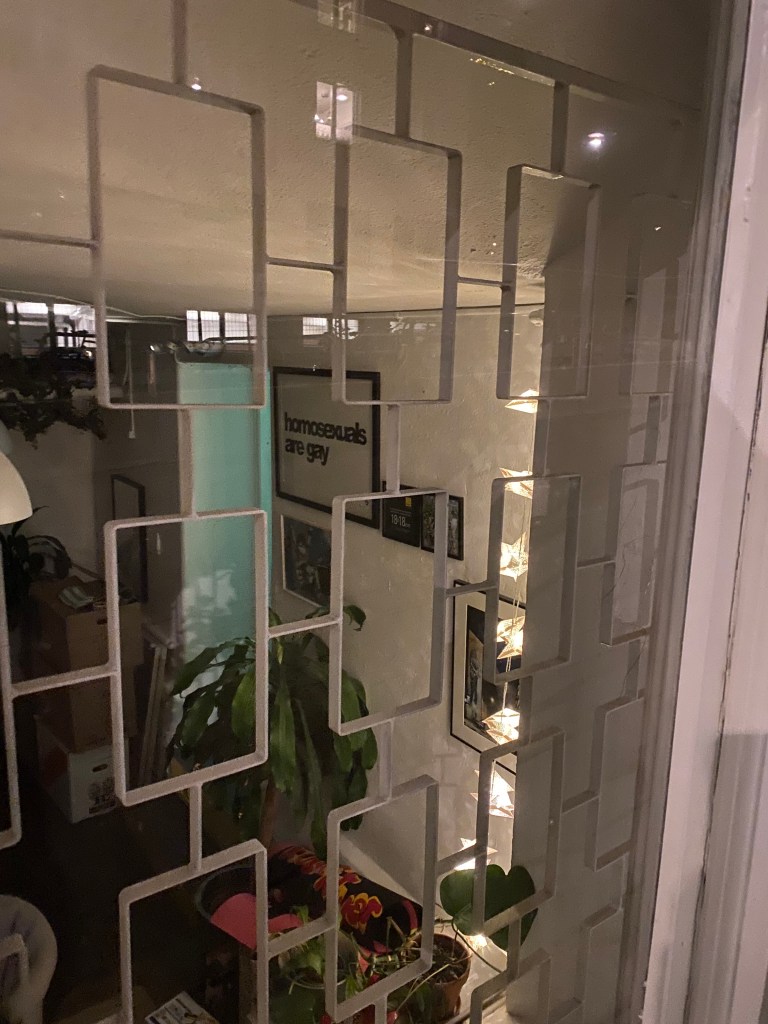
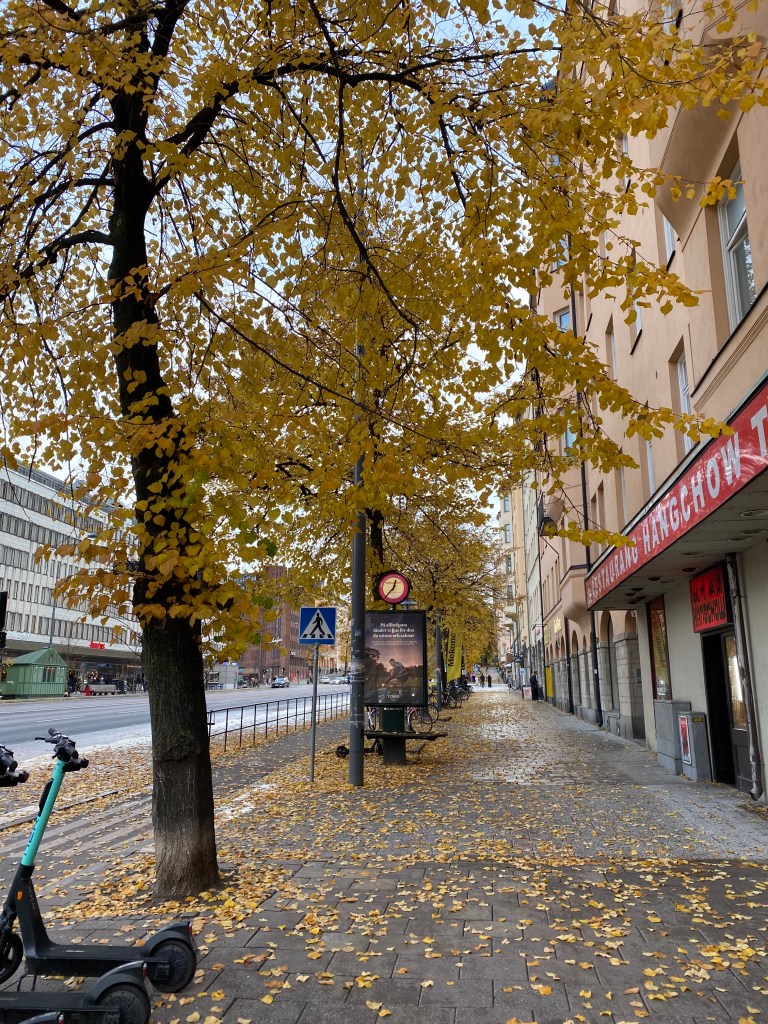
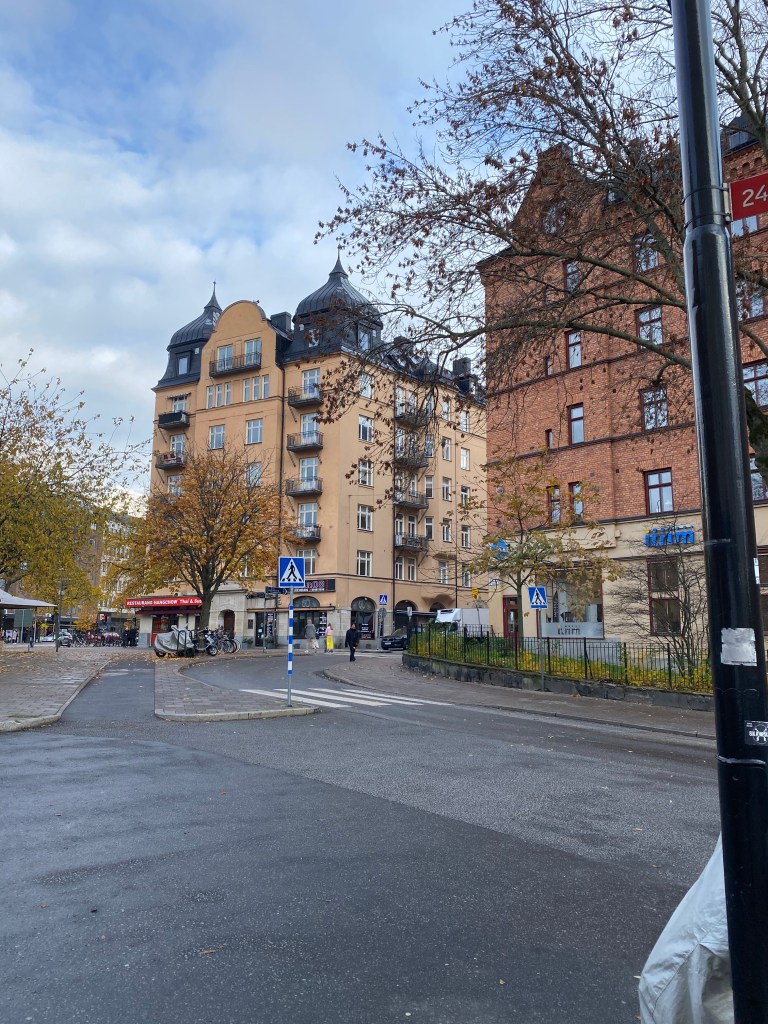
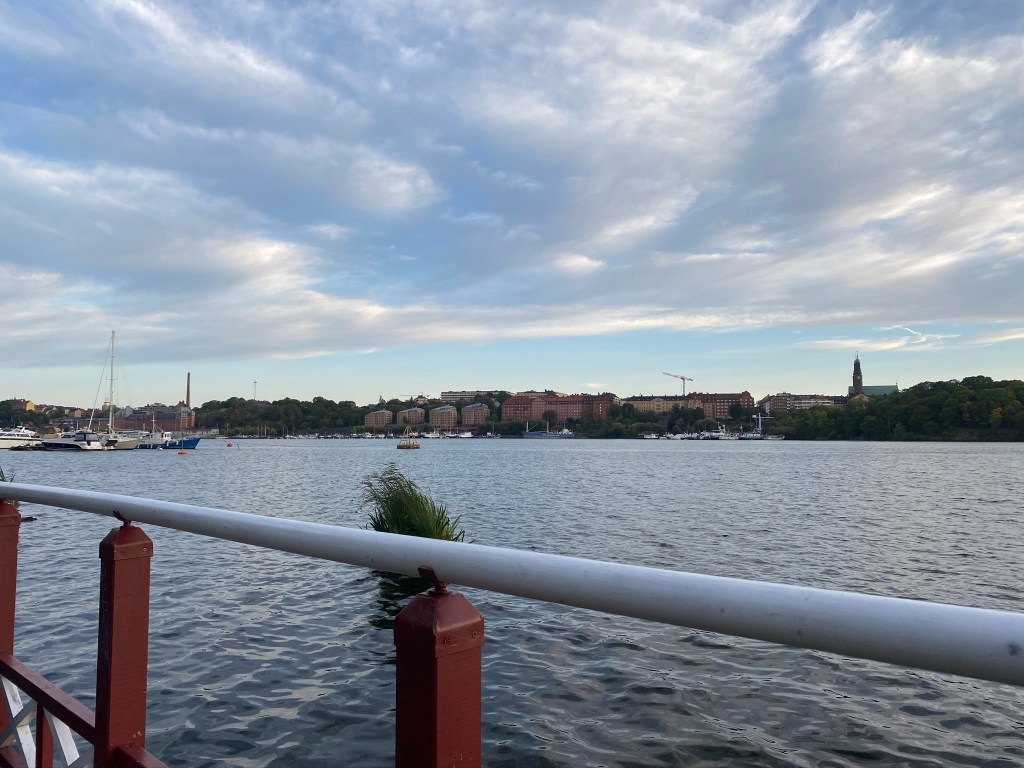
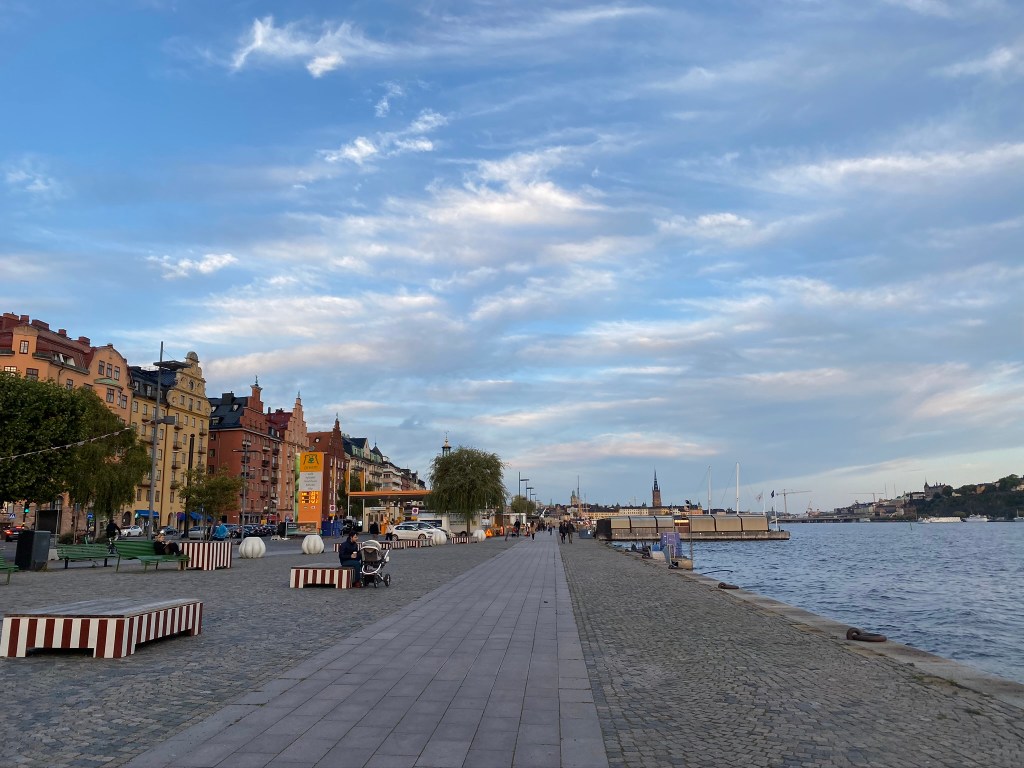
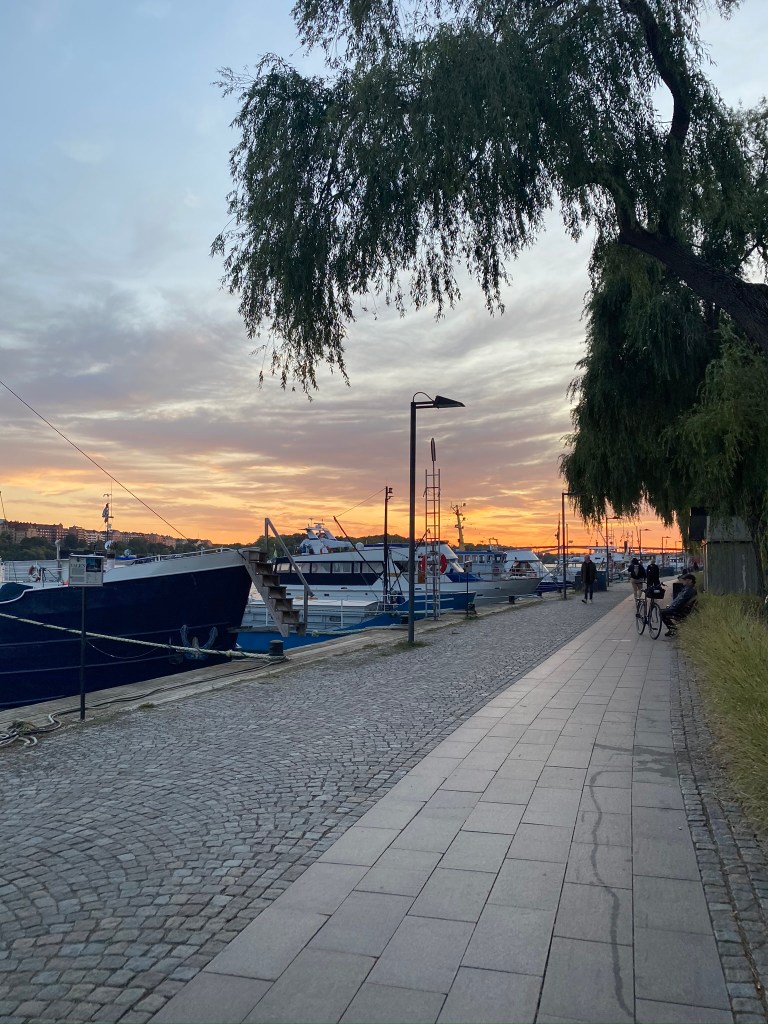
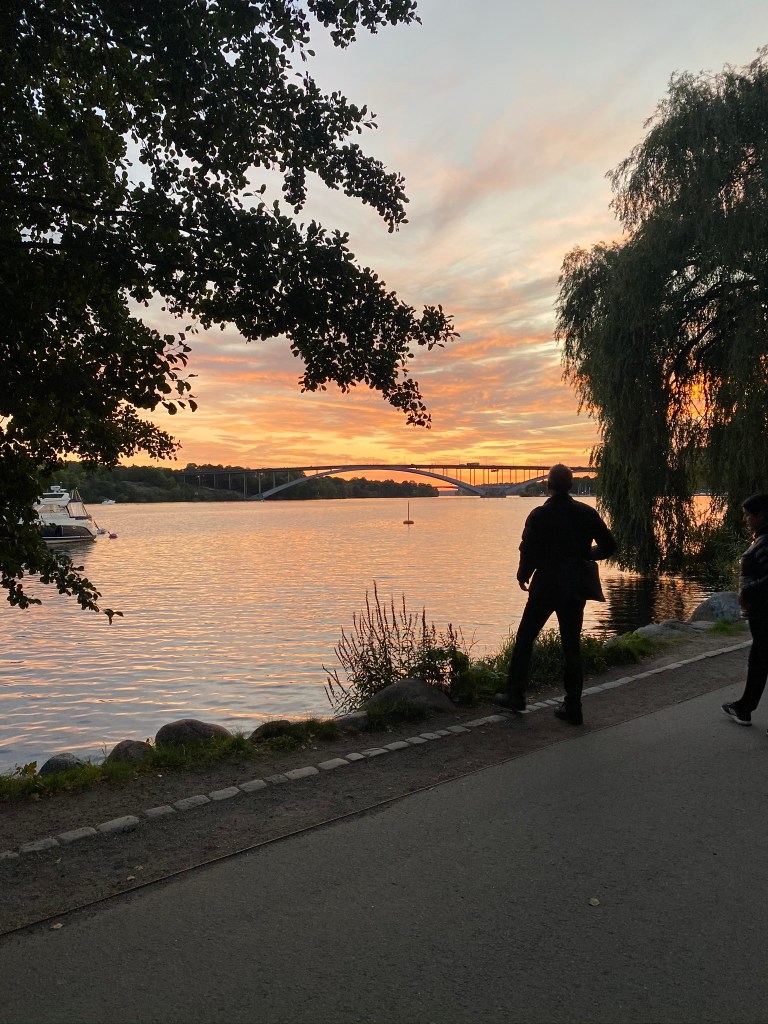
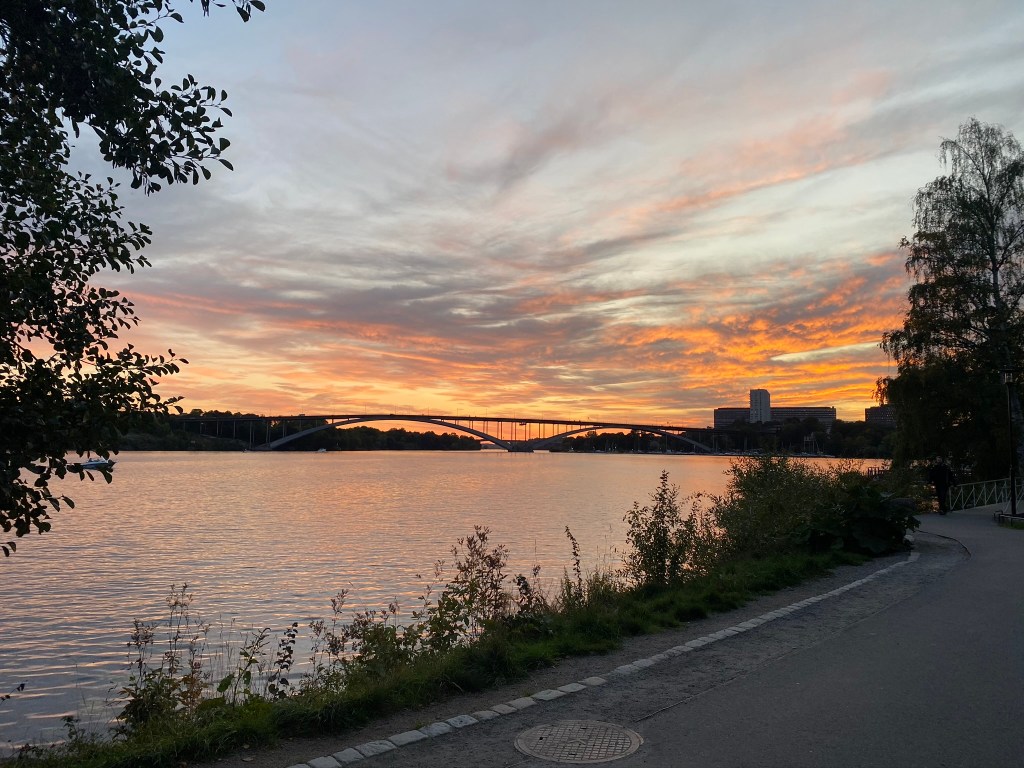
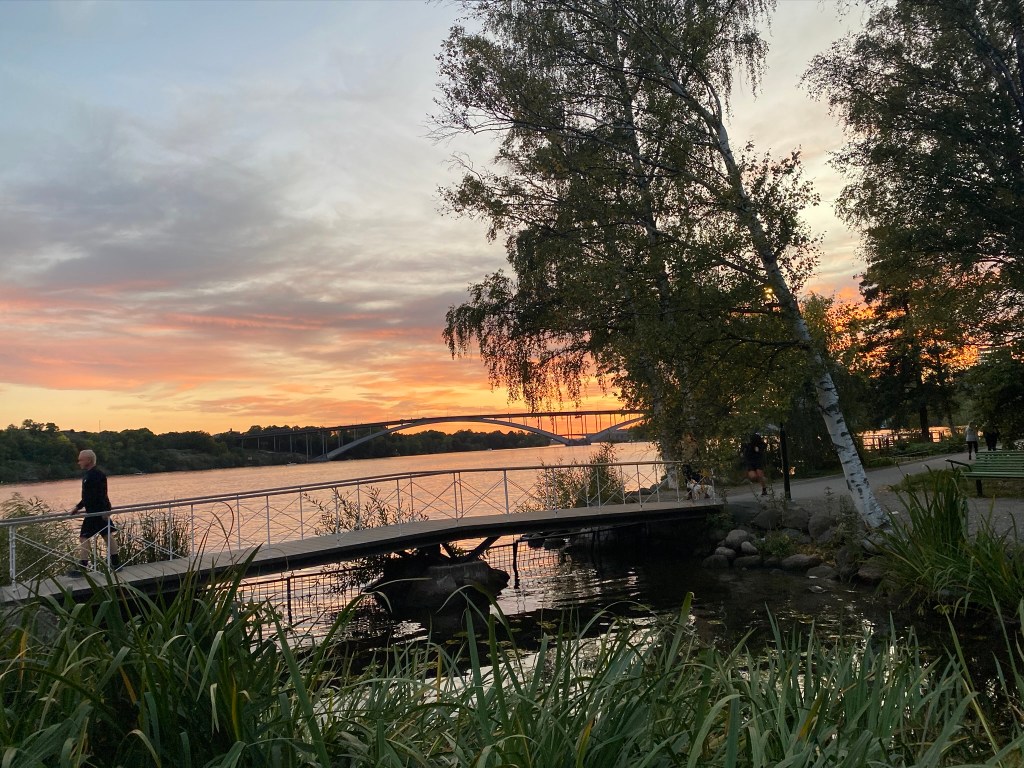
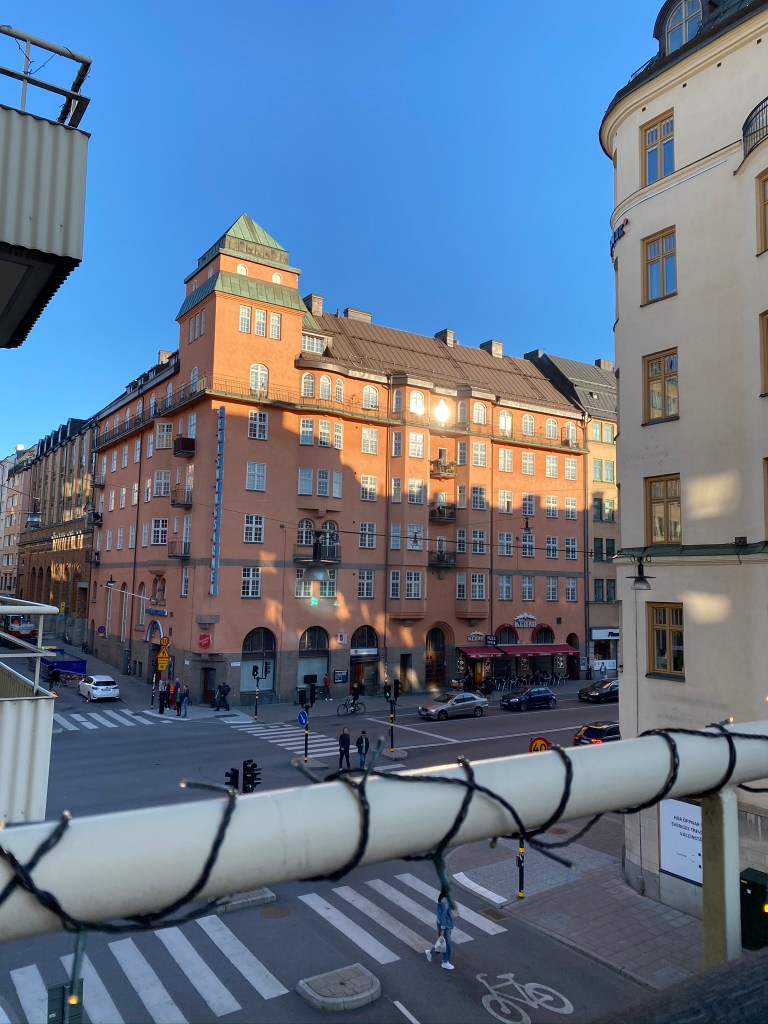
So the exploration of the city lately has been the areas that are within walking distance. Given that I live in a pretty central area, that’s a great amount of area to traverse. A few Mondays ago, I walked along the waterways and really had a chance to see the seasons change. I also tend to take photos during most random excursions, like a trip to the recycling center, so there isn’t really much of a theme in some of these sets. Tonight I took a trip that led me to Vasagatan, the area I first stayed at during my first trip to Stockholm. It was cool seeing the area from a different perspective, as a resident and not a tourist. The air was crisp, the sky was clear, and the streets and parks are extremely well lit at night. In fact, one of the things I find absolutely breathtaking about this city is how the water and light play together and create some of the most scenic moments ever. I’ve grown to really enjoy these moments away from my computer desk, as it really helps me experience what it’s like living in a major European city.

The days are growing shorter and shorter, as we get closer to the winter solstace; typical sunrise is around 7:30ish, while the sun begins to set around 16:00. It’s been an odd change from the daylight times I’m used to in Central Texas, but it hasn’t been too difficult to acclimate to, all things considered.

Posting two slideshows now for your viewing pleasure. The first set is from a few walks

Please take a number and do your laundry

As the weather has started to change, a slower pace and cadence has taken hold. I’ve been here for over a month now and have settled most of the adminstrative items that I need to reside here. Yesterday I finished my application for a Swedish ID, got my picture taken, and was given a receipt as proof to bring with me to pick it up when it’s ready.

Life here is different in some of the most odd ways compared to the US. I don’t get packages from the post delivered to my door, but instead it is delivered to a nearby checkpoint that I have to go to for collection. During the last decade I was fortunate enough to live in a duplex and was quickly spoiled by Amazon direct delivery. Amazon is in talks with developing a location in Sweden, but I still don’t know if the accessibility will be quite as good as it was in the US.
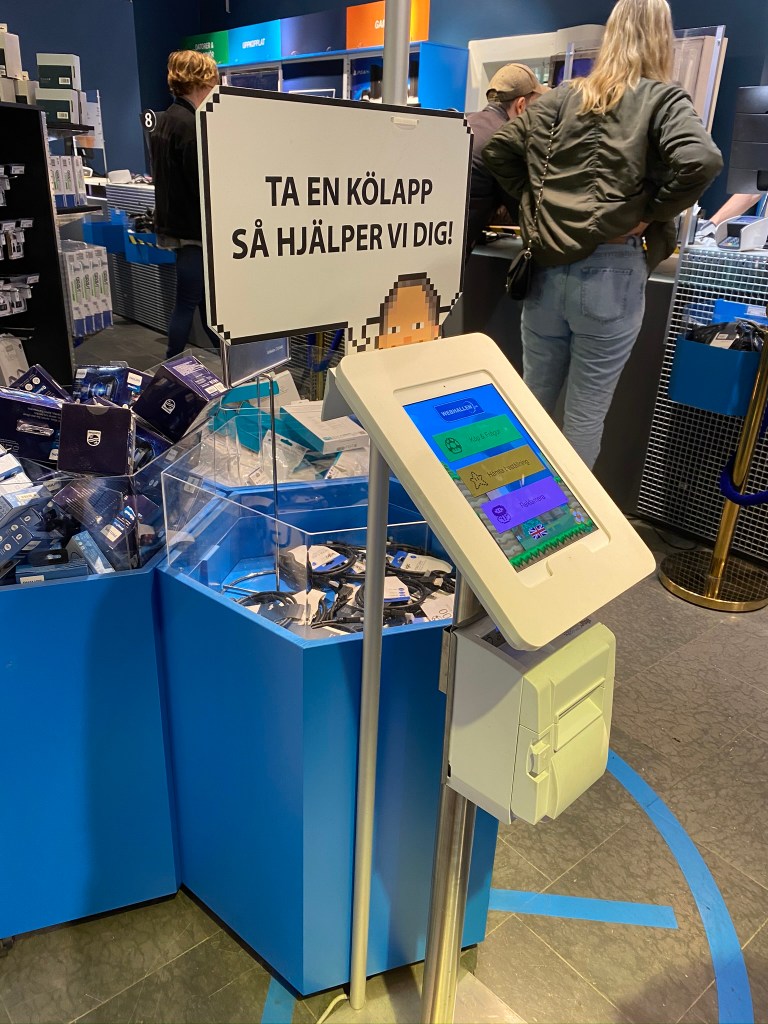
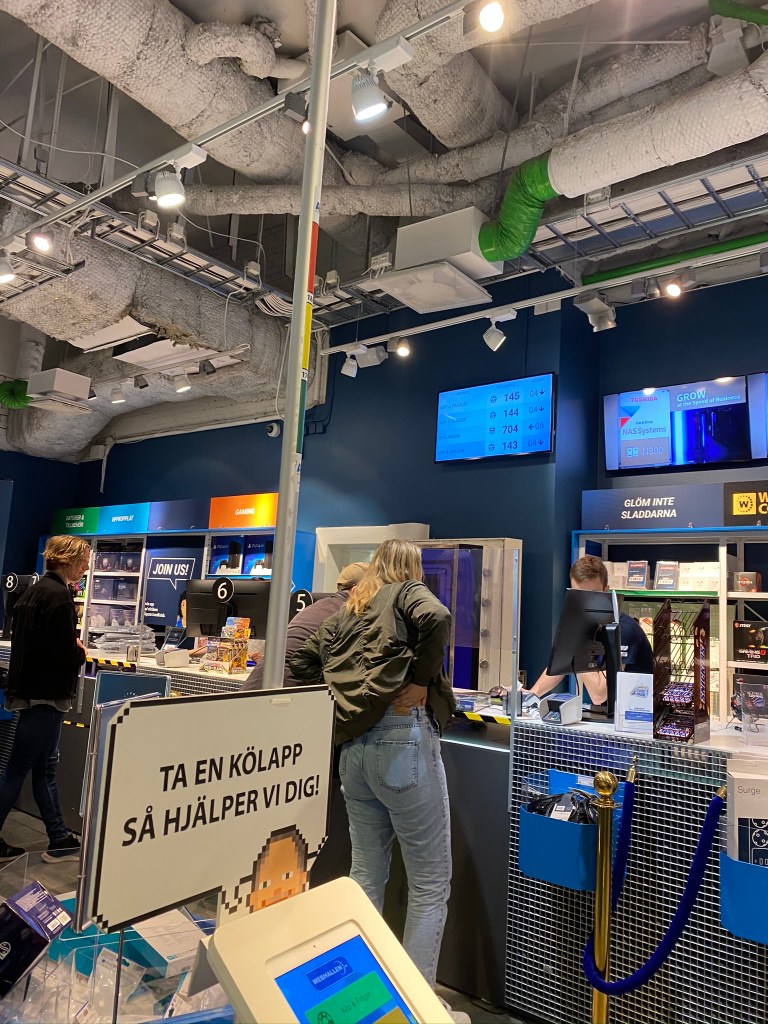
I’ve had to make a lot more trips out to stores to get silly things I would just click and order instantly, like a slow cooker, a knife sharpener, and office supplies. The funniest thing about all the places I go to that require any sort of customer service all rely heavily on the Take a Number system. It’s hilarious! If I place a pickup order with Webhallen I have to wait for an email confirmation that my order is ready for pickup. When I get there, I have to navigate to a kiosk that asks if I need help, if I have an order to pick up, or would like to check out! Even when I went to Cervera, I had to take a number to pay for my items. Government buildings now require an outdoor queue first, and when the capacity is allowed, a person is escorted inside, and, you guessed it, asked to take a number. The only place I frequent that doesn’t have a Take a Number system is the grocery stores, but everywhere else, “Please take a number!”.

I’m also getting used to being in a communal building again. I think my neighbor was gone for the last month because in the last few days the noise and door-slamming on this floor has gone up by 100%. They also seem to keep odd hours; chatting and watching TV late into the weeknight evenings but up early on the weekends. Because of this new stimuli that has come into my existence I’m also trying to be more cognizant of the amount of noise and possible intrusive behavior I may have on my neighbors, too.
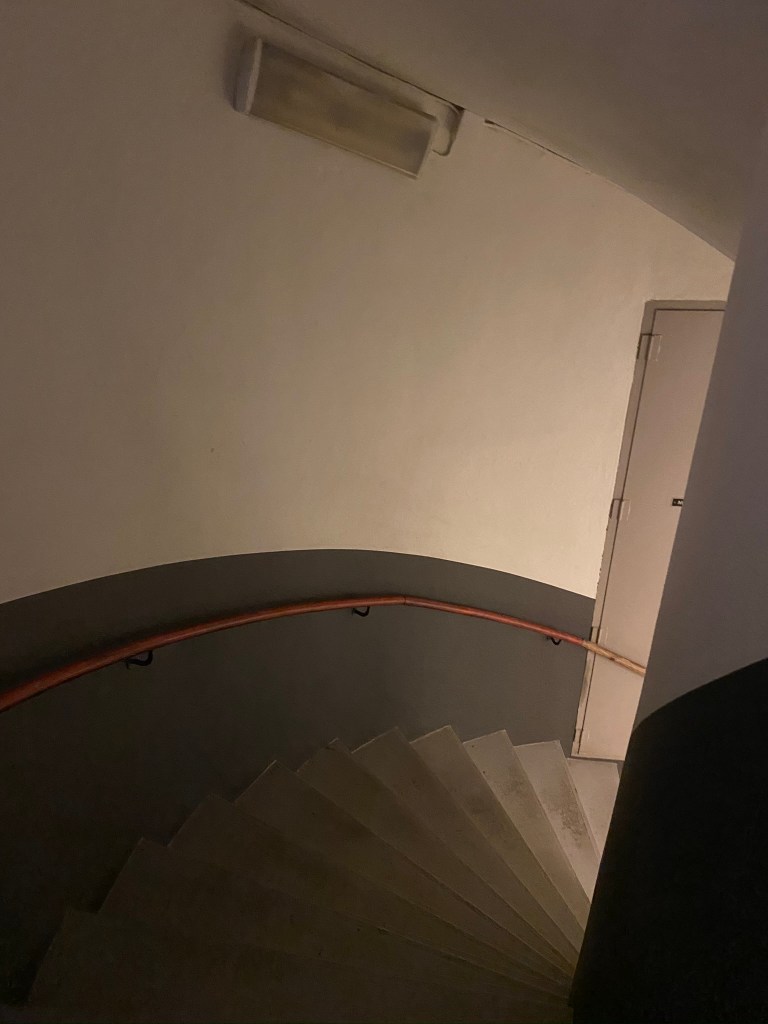
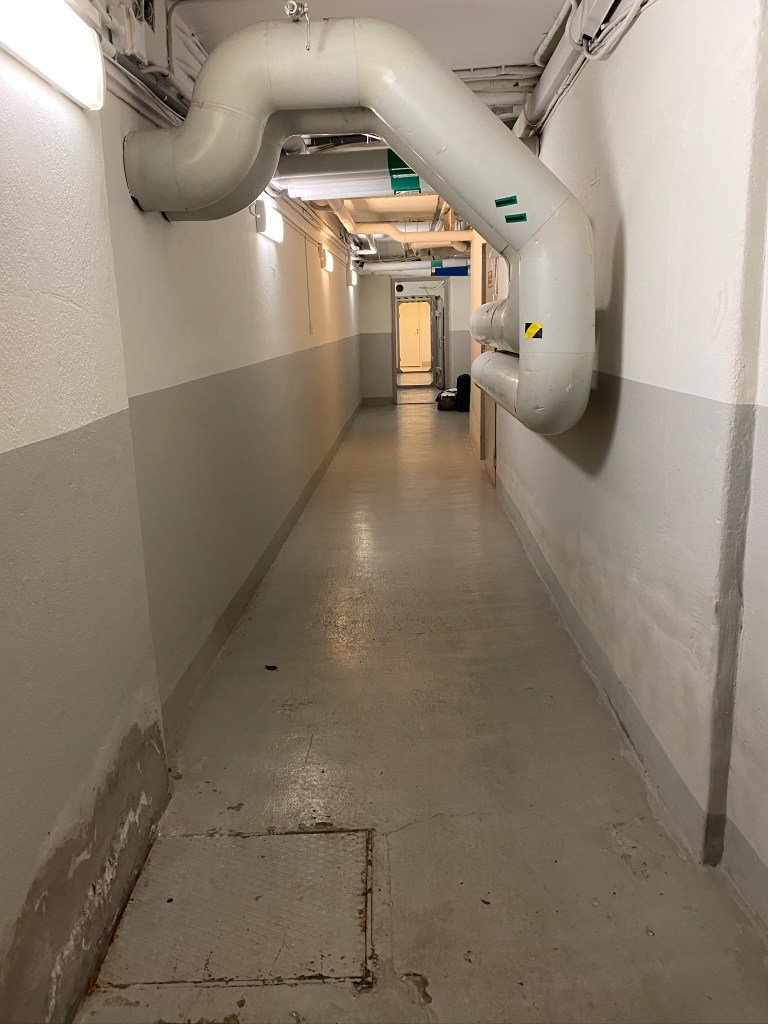
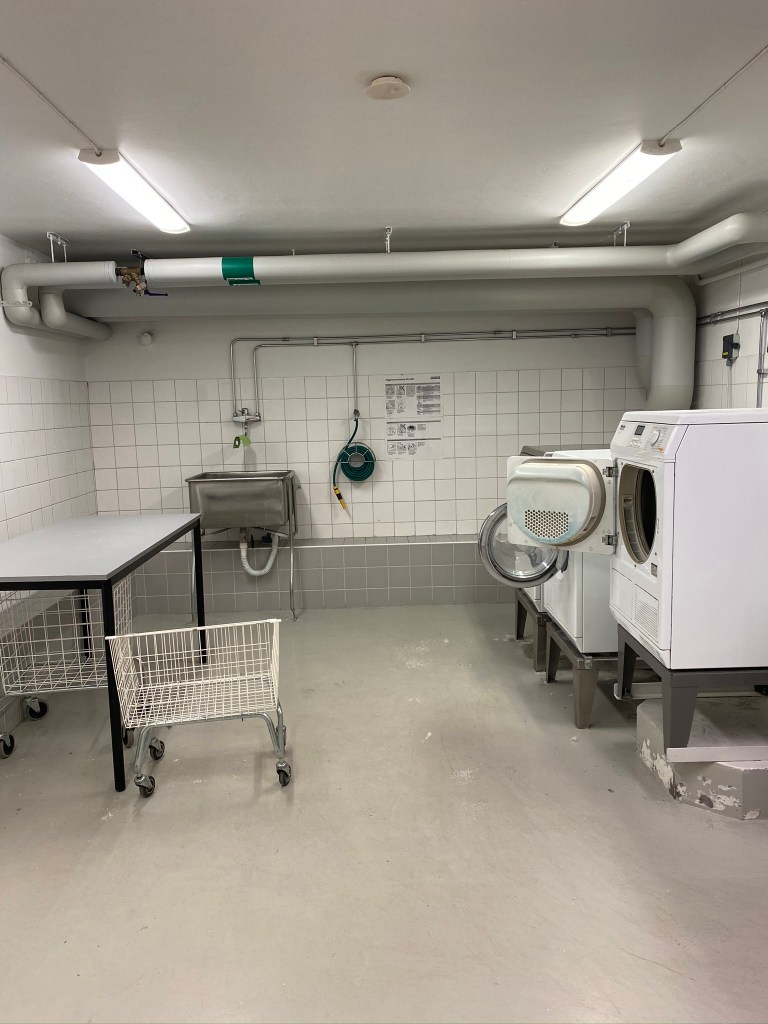
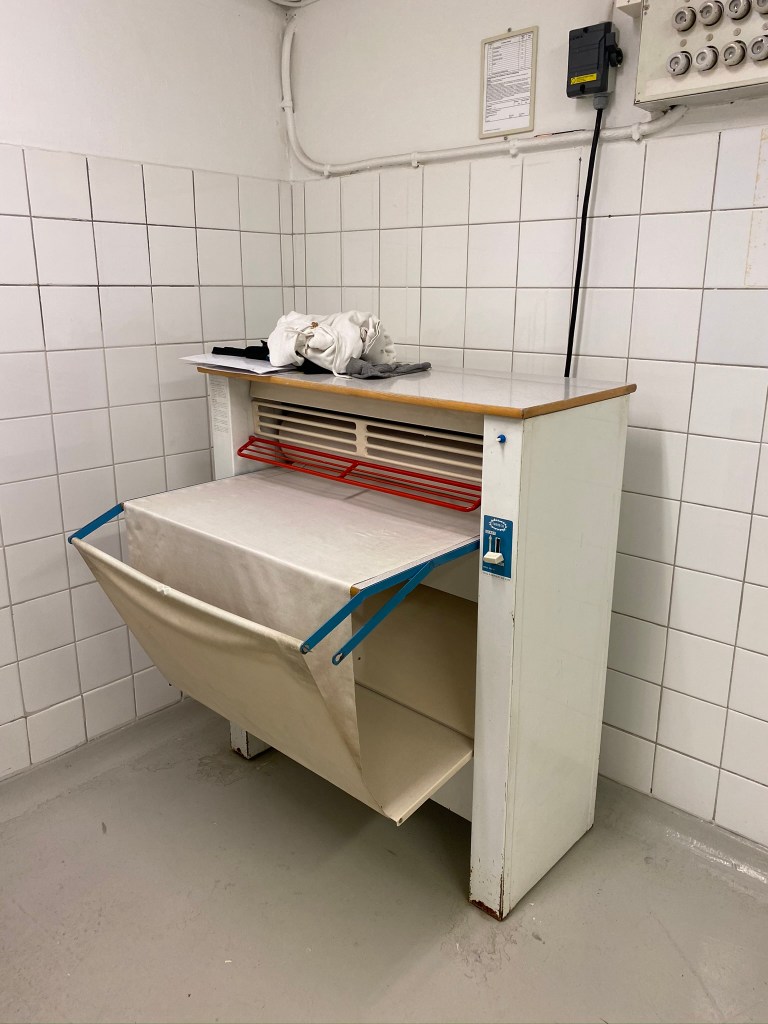
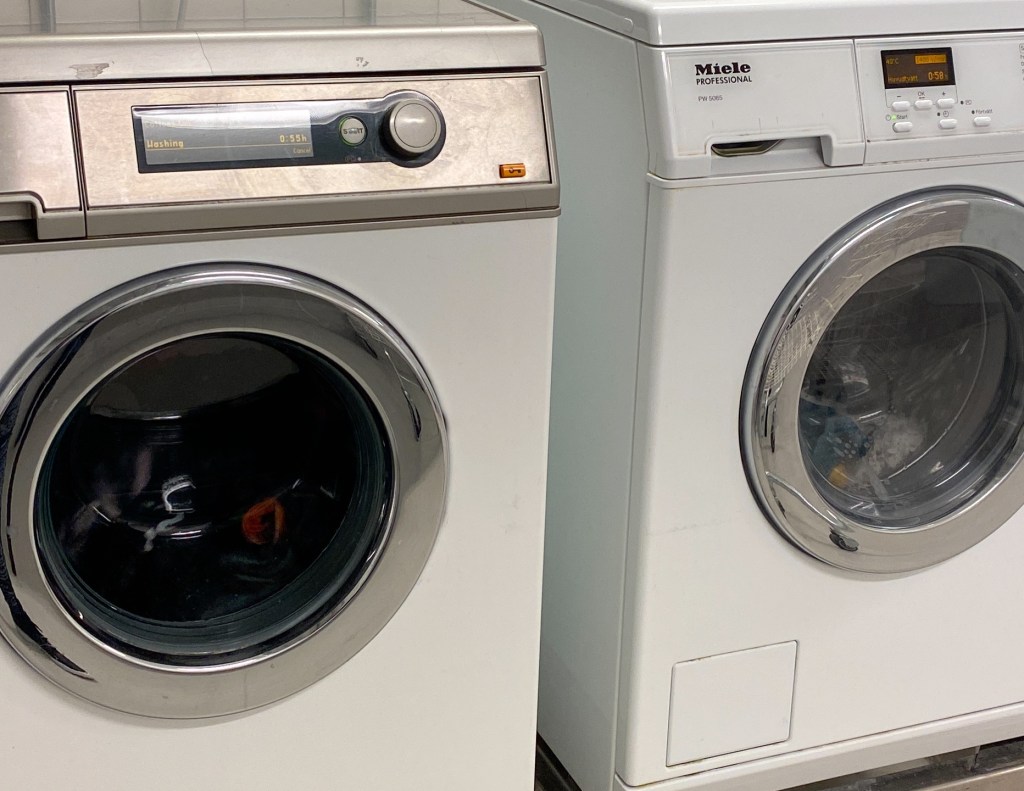
Speaking of neighbors, I showed off the building’s laundry scheduling system but didn’t go into further detail. There are a lot of unique items in the laundry room here that I’ve never seen before, including a giant dryer room with a big fan that basically airs out your clothes, and some other machine that turns out to be for ironing. I’ve found that laundry in Sweden is really a big deal, with countless blogs and Youtube videos detailing the experience. The most common aspects are this: You schedule your time in the shared space in blocks of 3 hours, you are required to clean up after yourself, and frequently, the space is located at the end of a long hallway in the basement of the building. Always be on time with your booking! People are very particular about this space and don’t like it when you run over your alotted time. The best news though is that once you book the space you won’t be bothered, you don’t have to babysit it, but just tend to it when the timers are up, and as long as you maintain the area your neighbors will be happy. After a few cycles it’s a cinch, but just don’t expect to find any dryer sheets around Sweden; they don’t seem to exist!

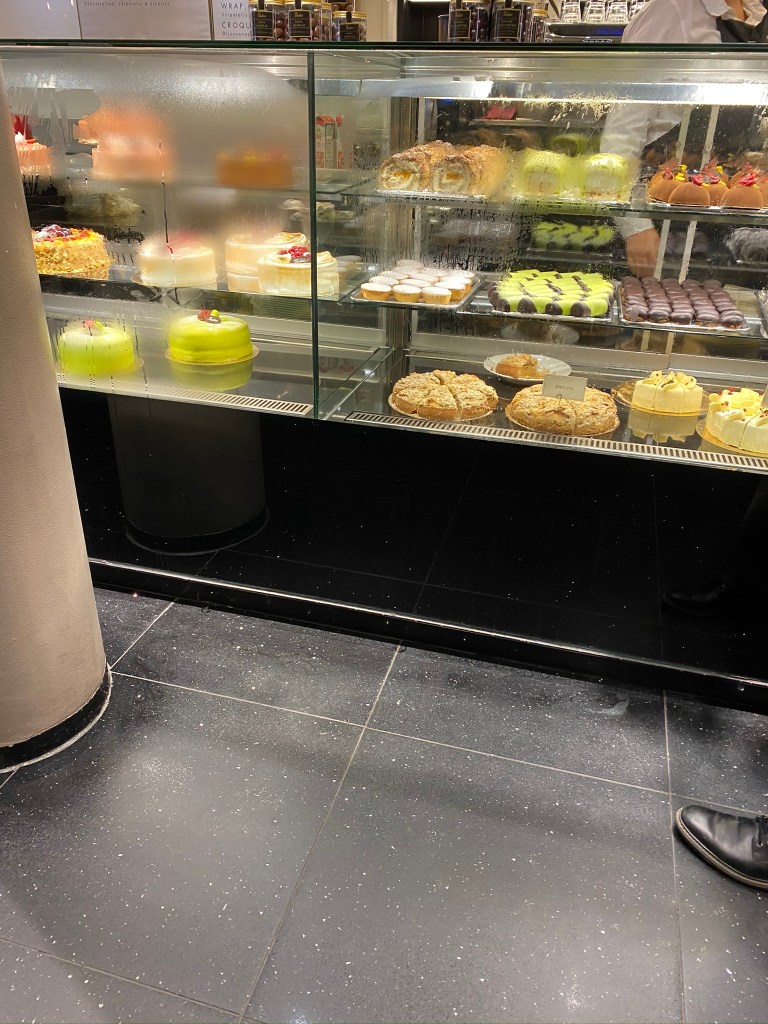
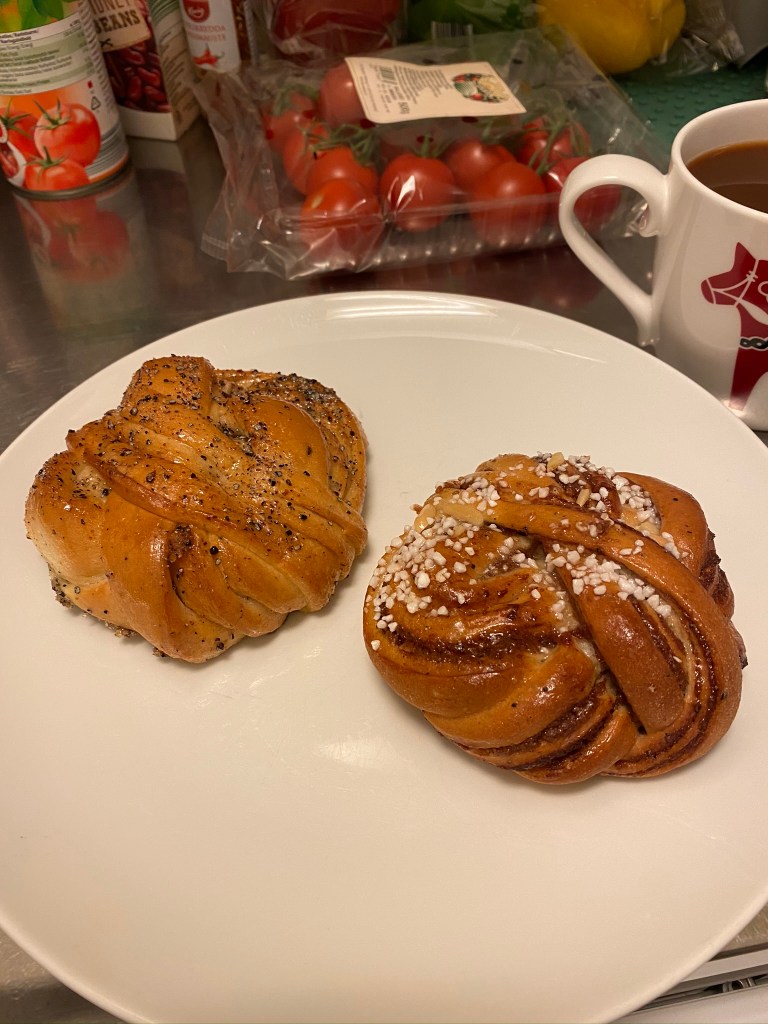
I also got to experience a recent Swedish holiday called kanelbullens dag, or Cinnamon Bun Day! It’s like the official start of winter, but with baked goods! Swedes love their pastries, and absolutely love flavoring them with cinnamon and caradamom!

Let’s Go For A Walk!

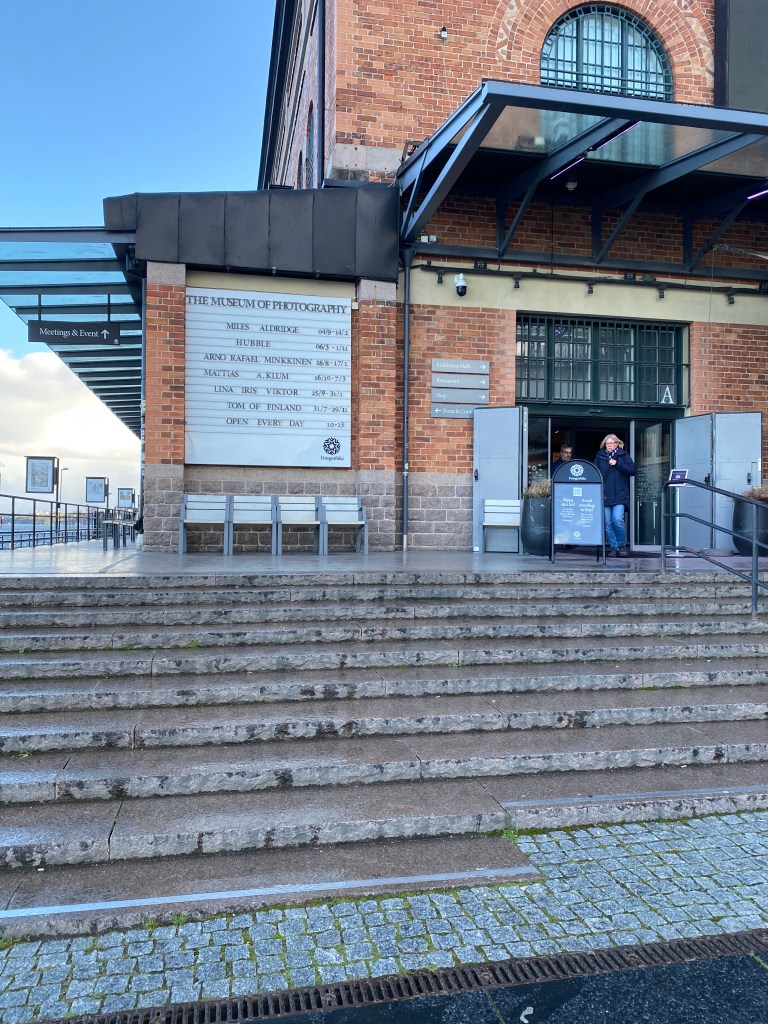
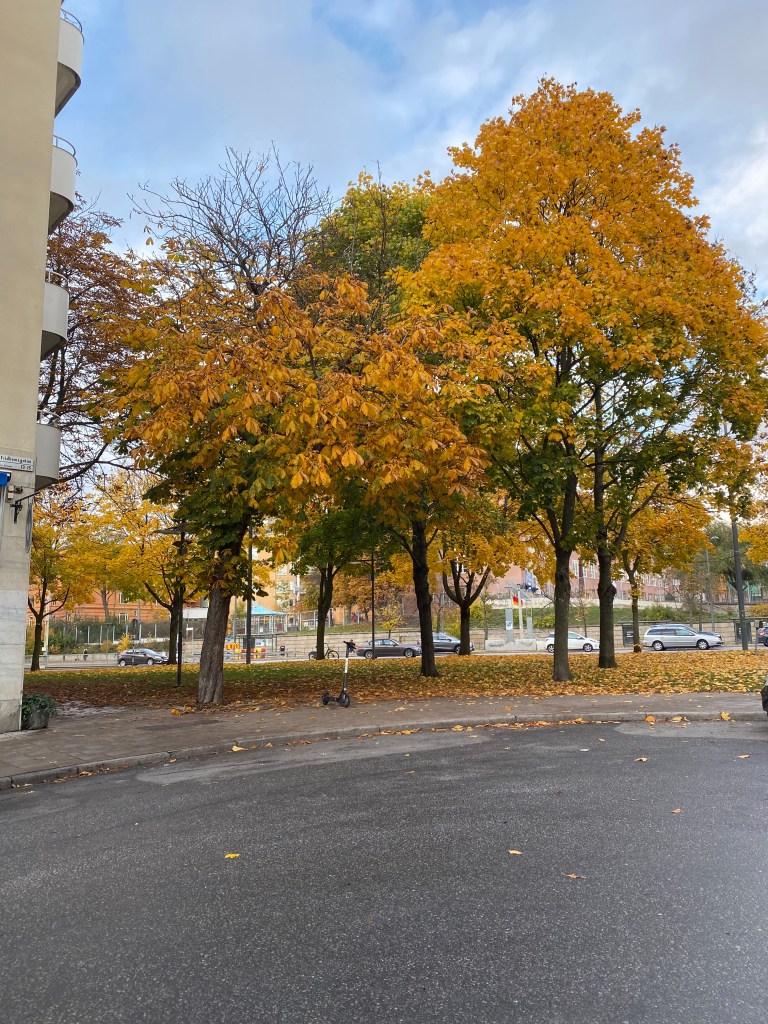
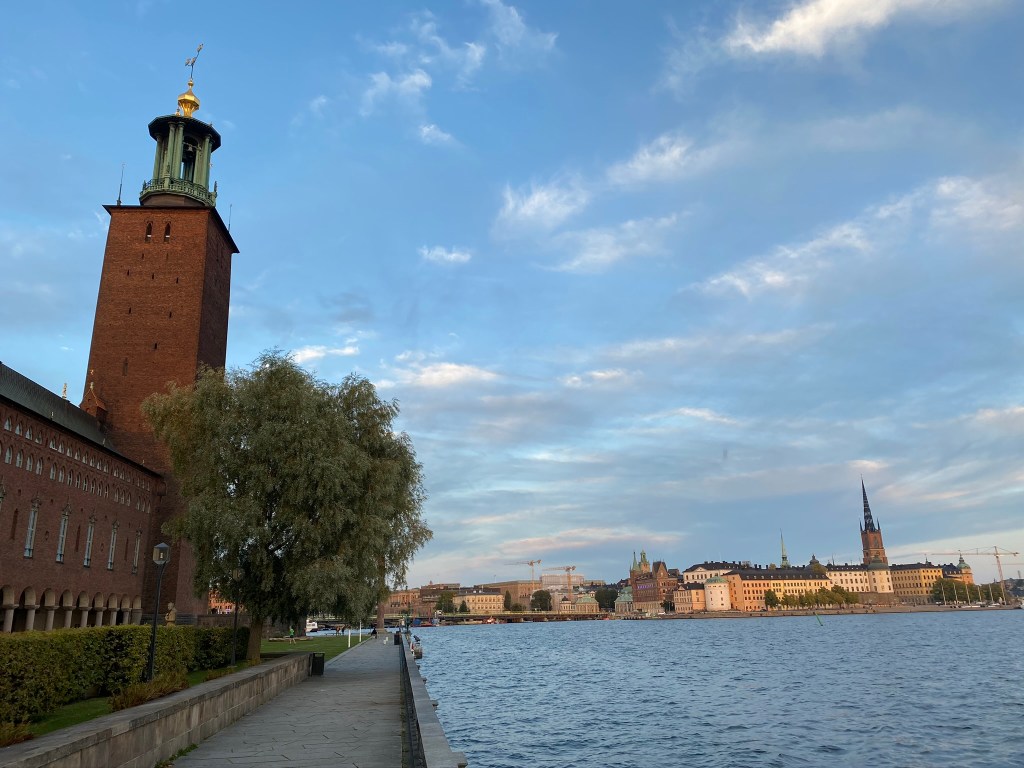
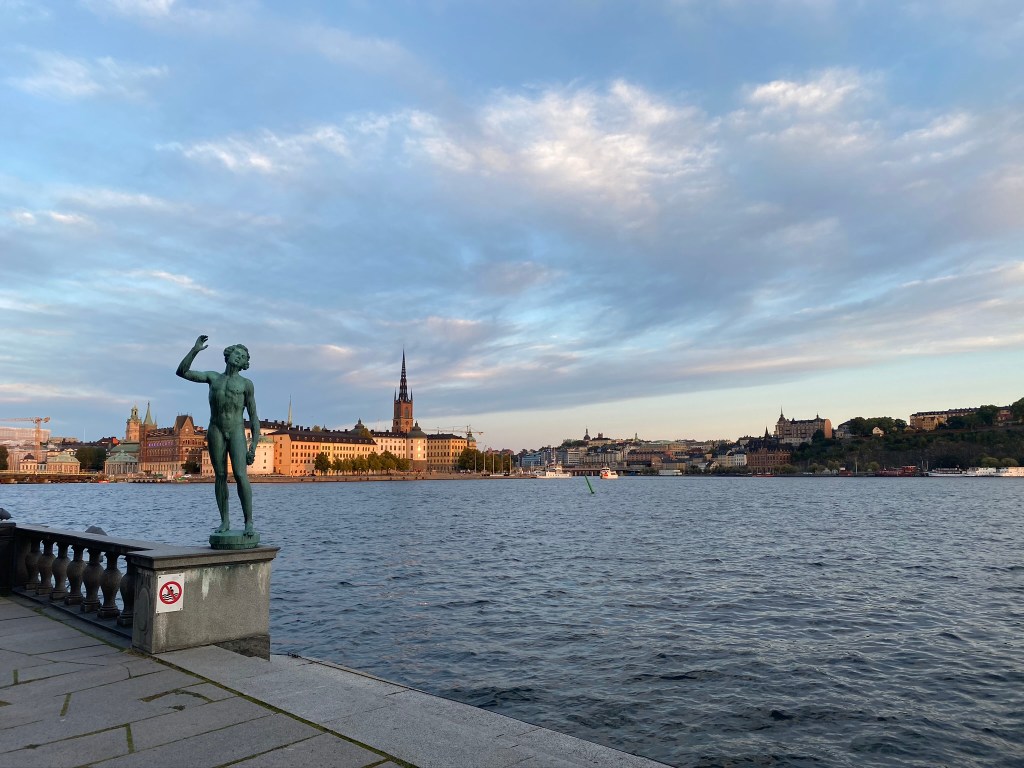
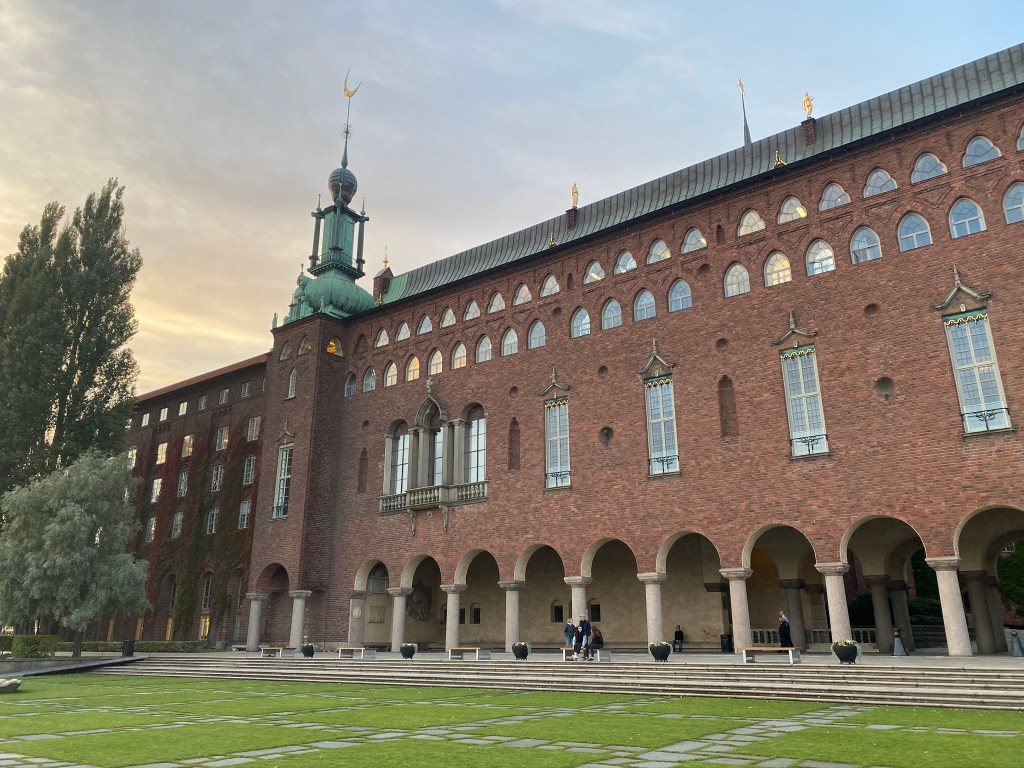
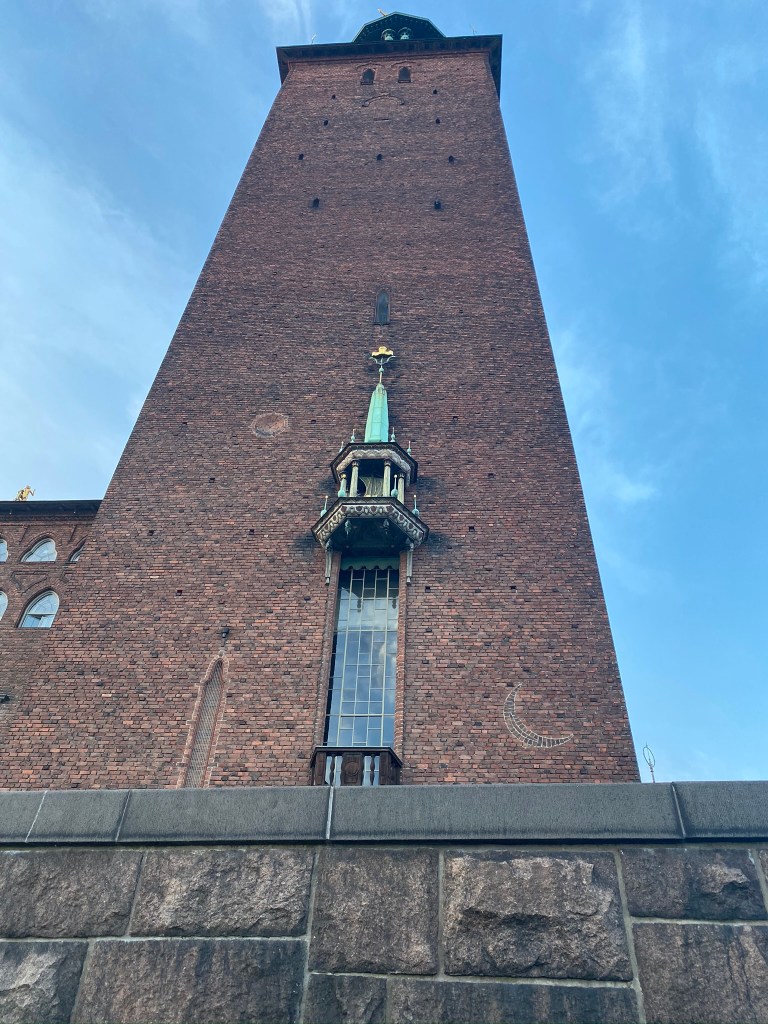
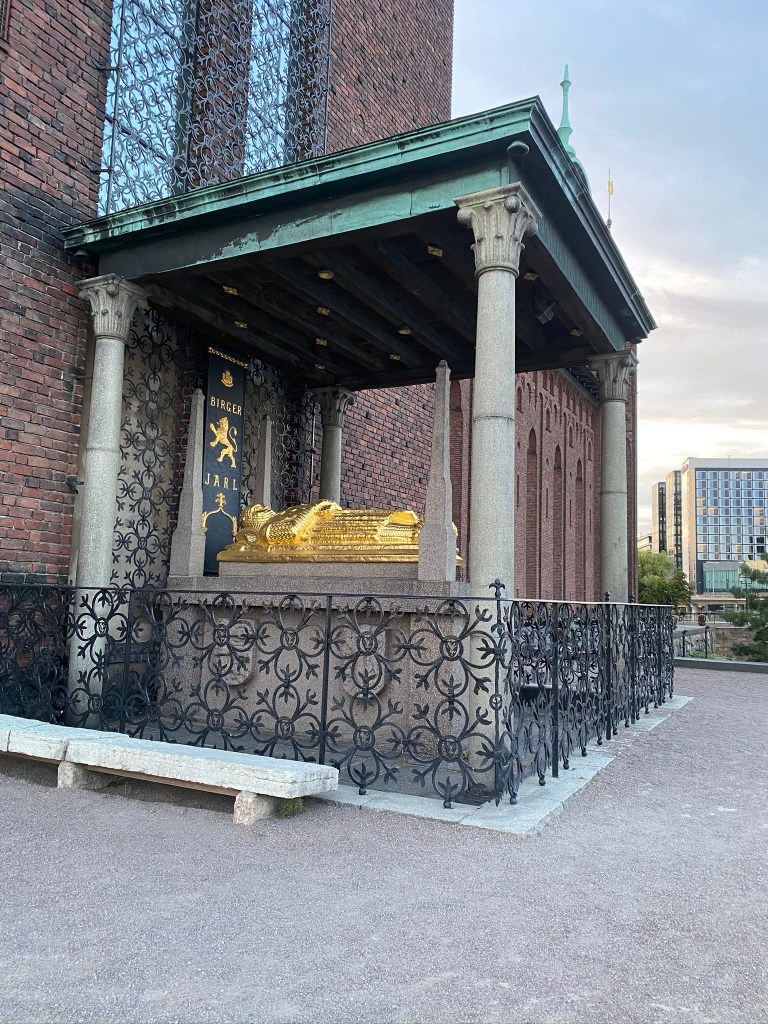
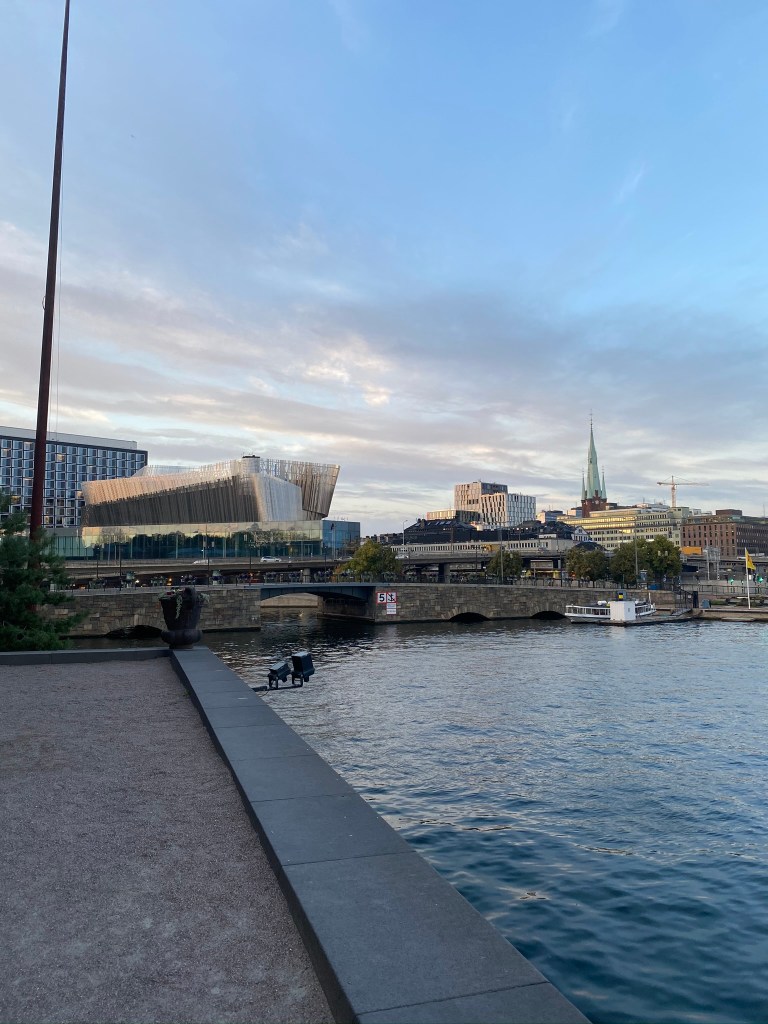
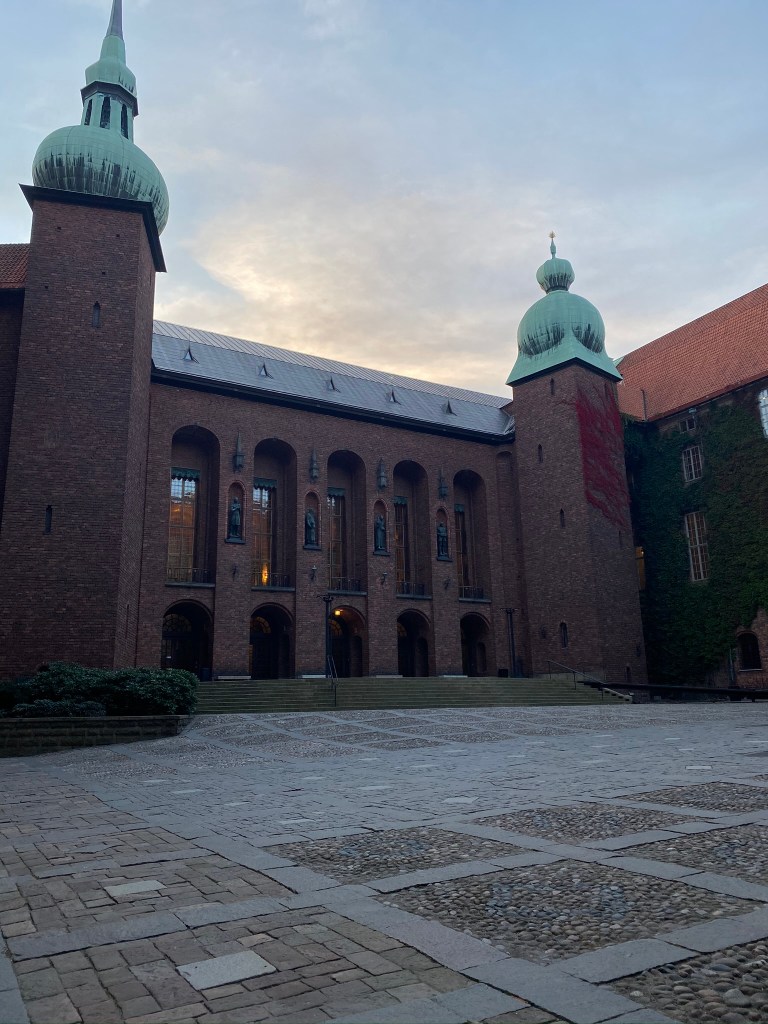
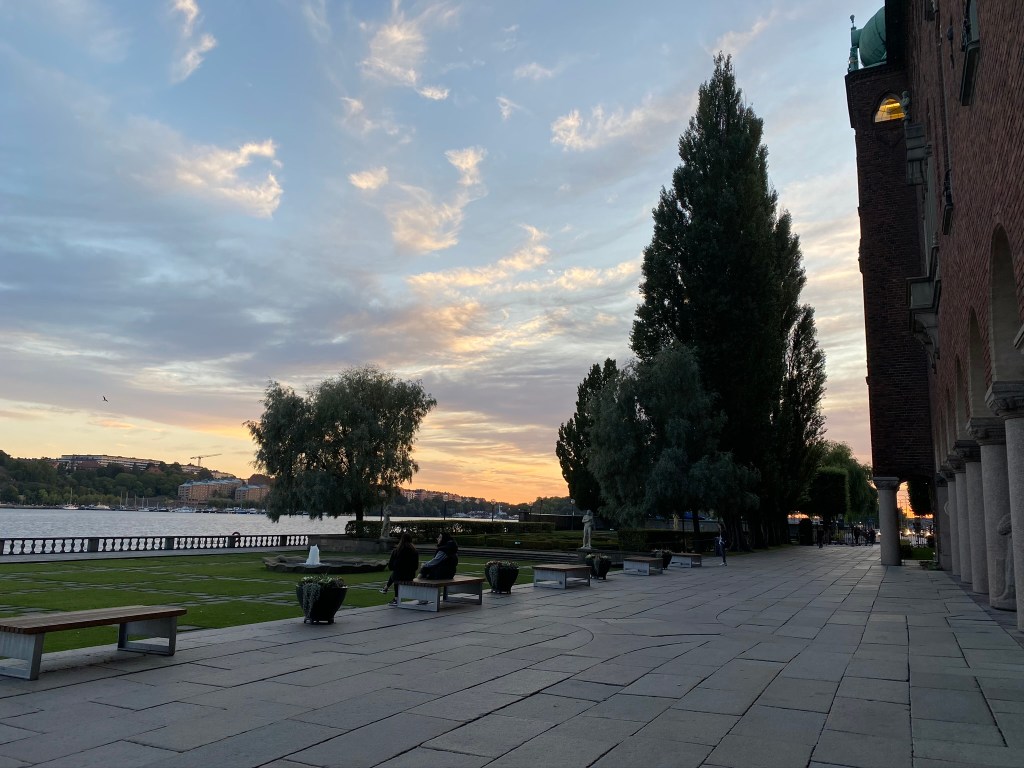
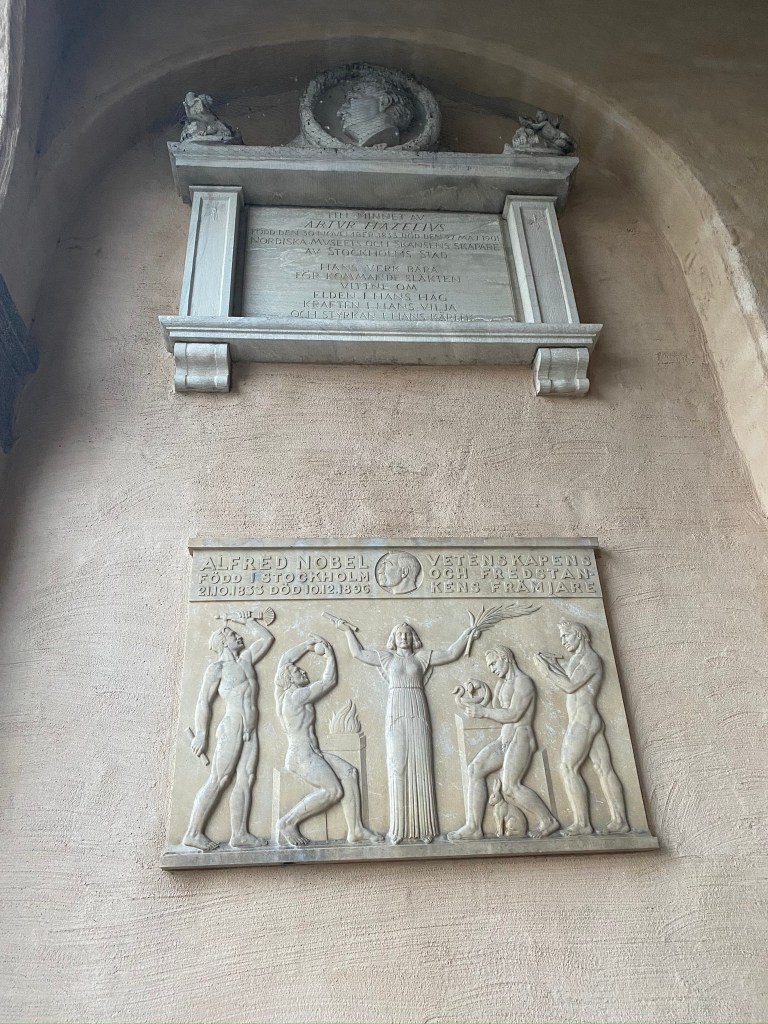
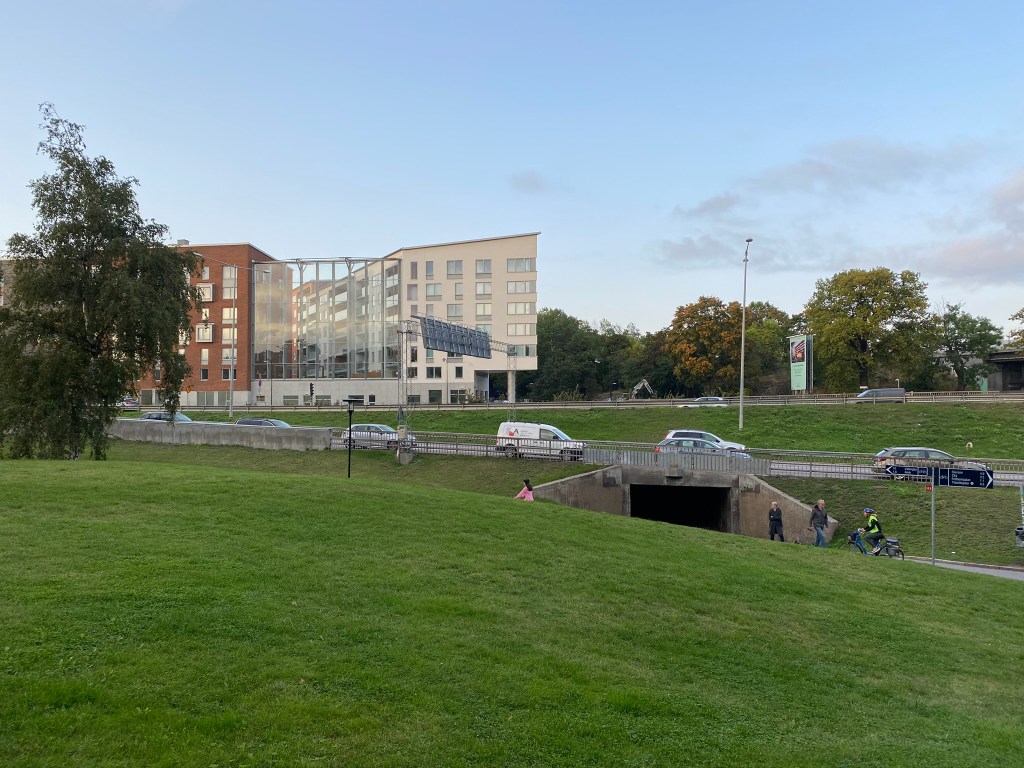
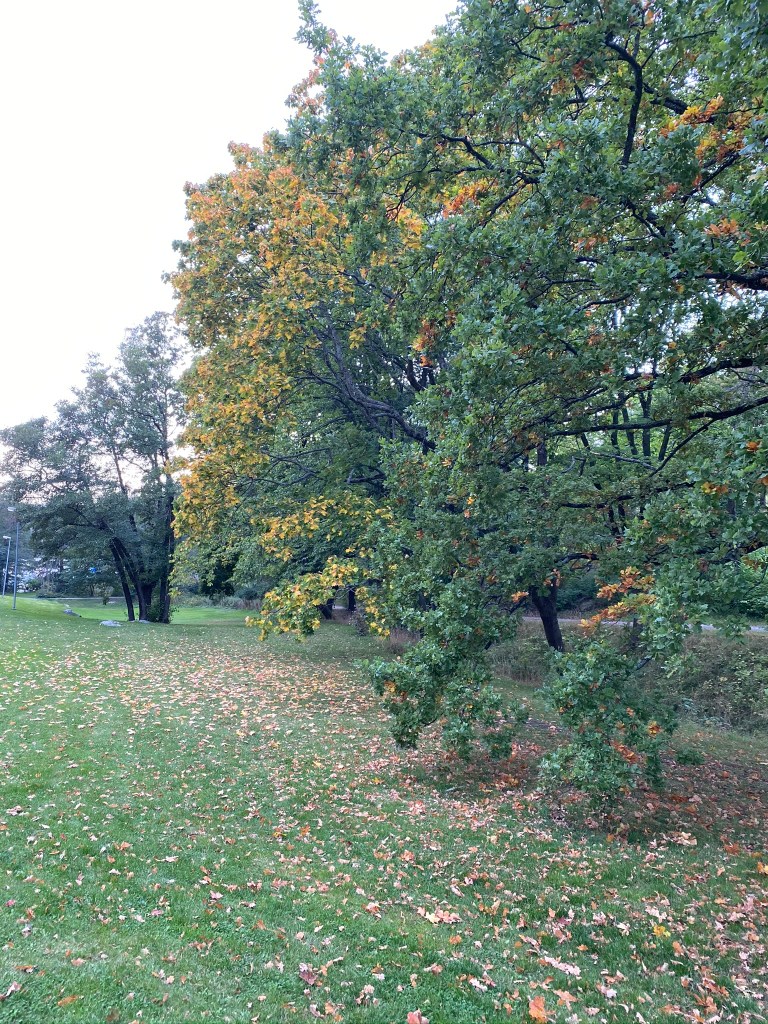
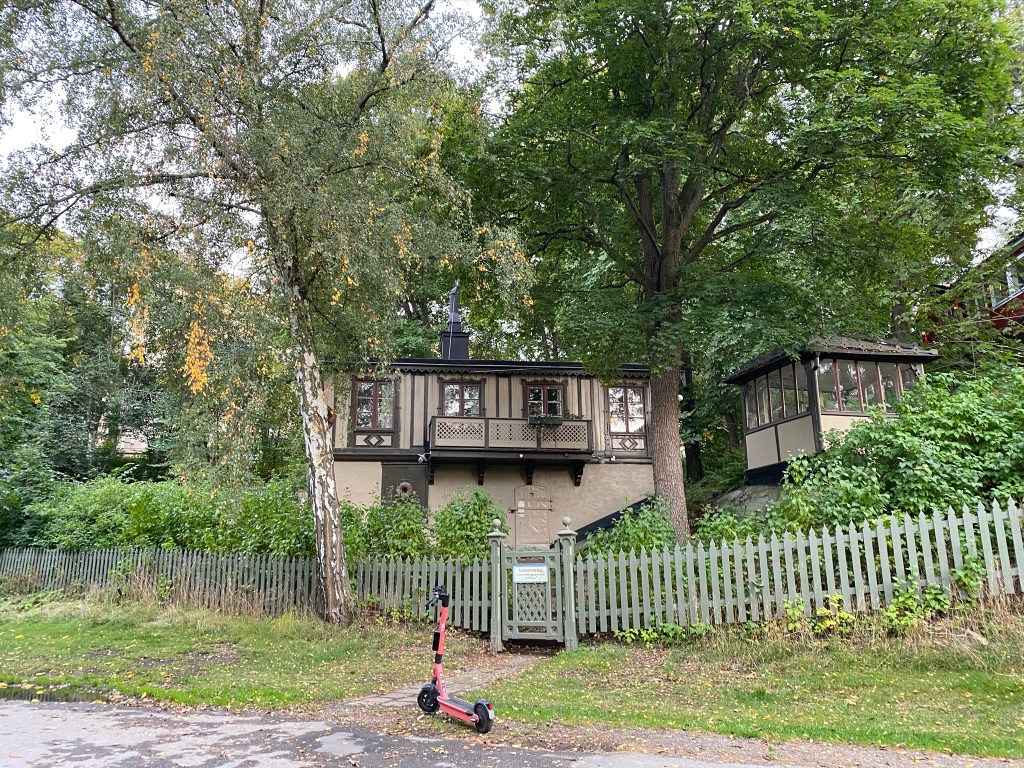
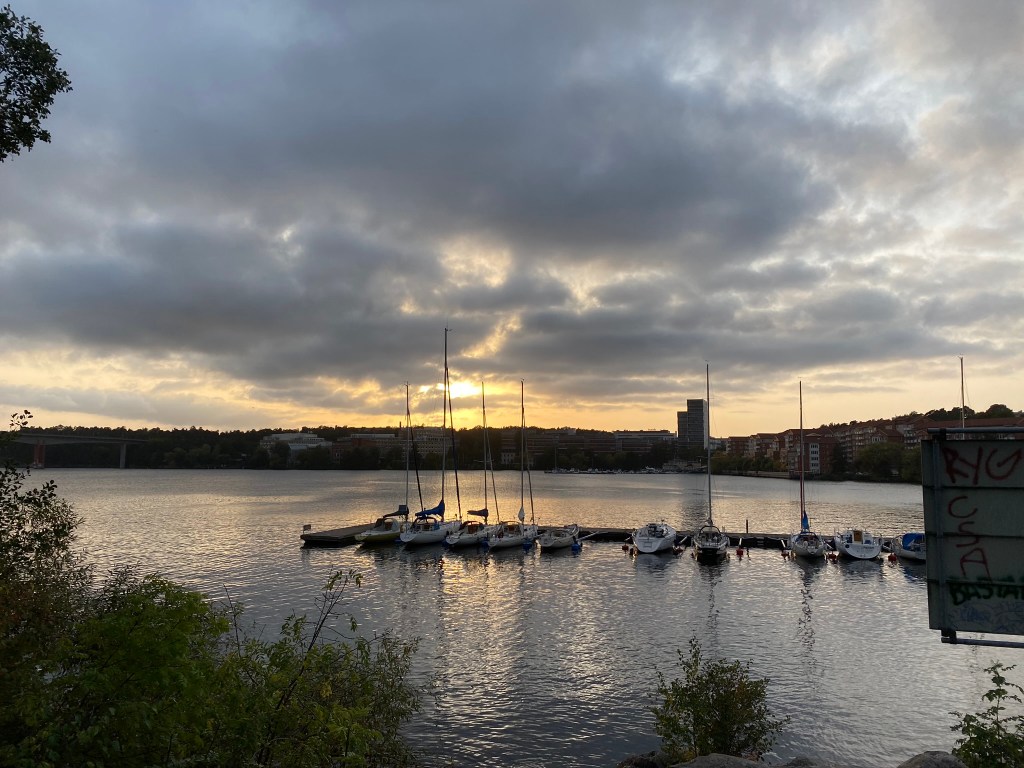
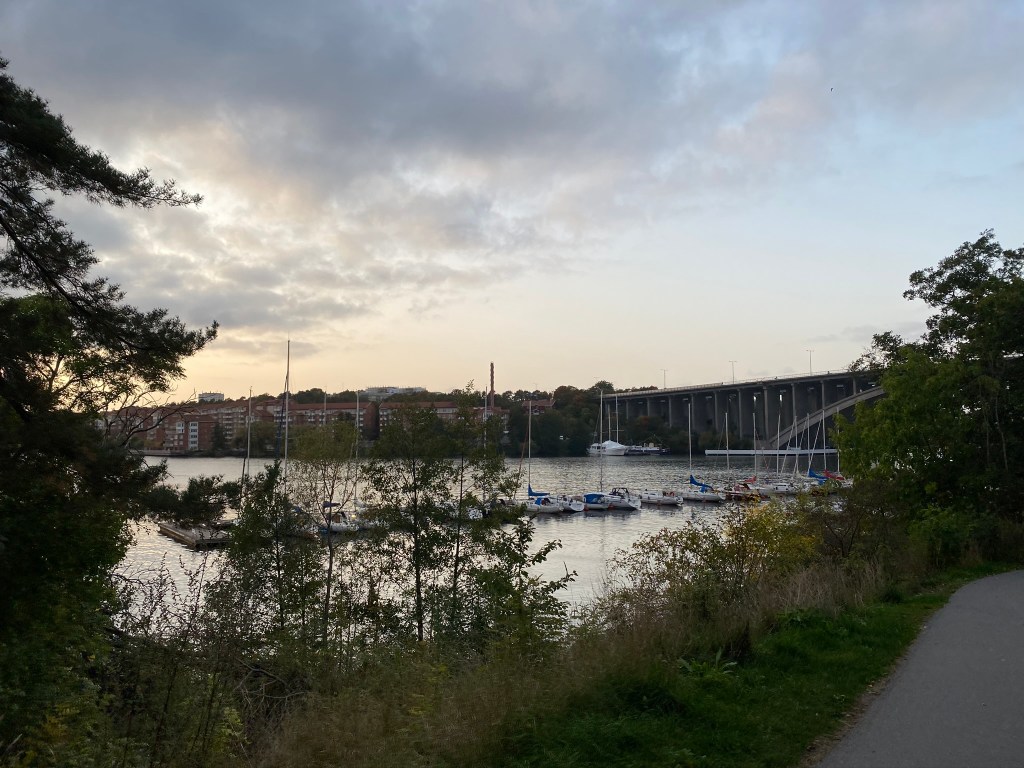
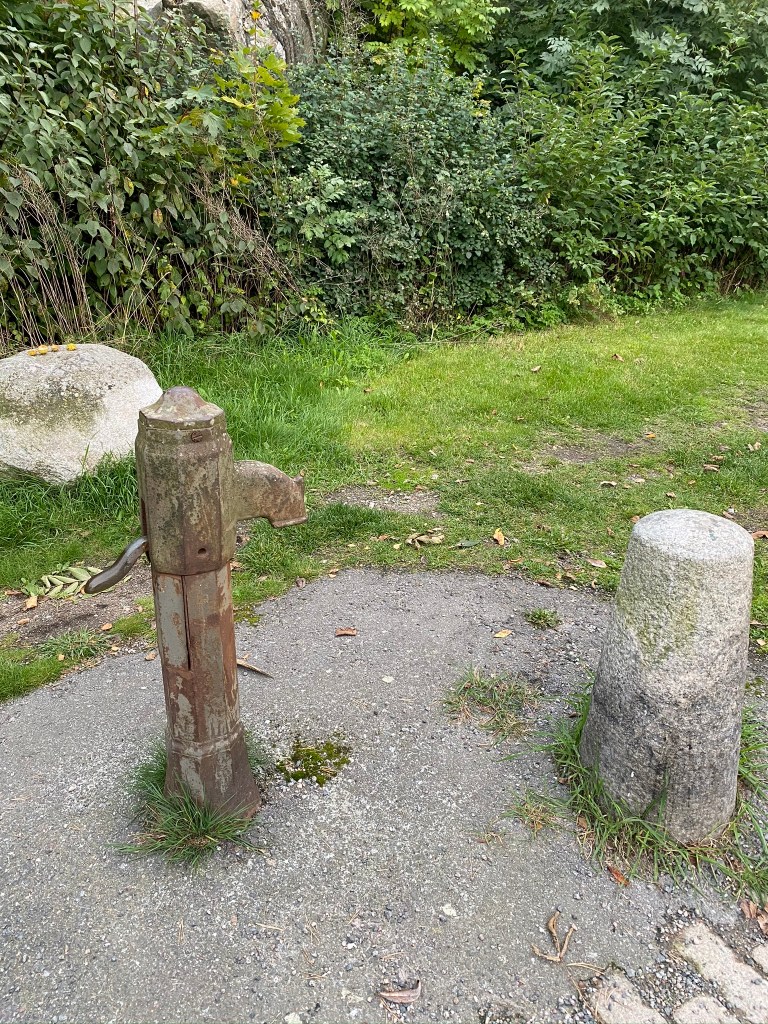
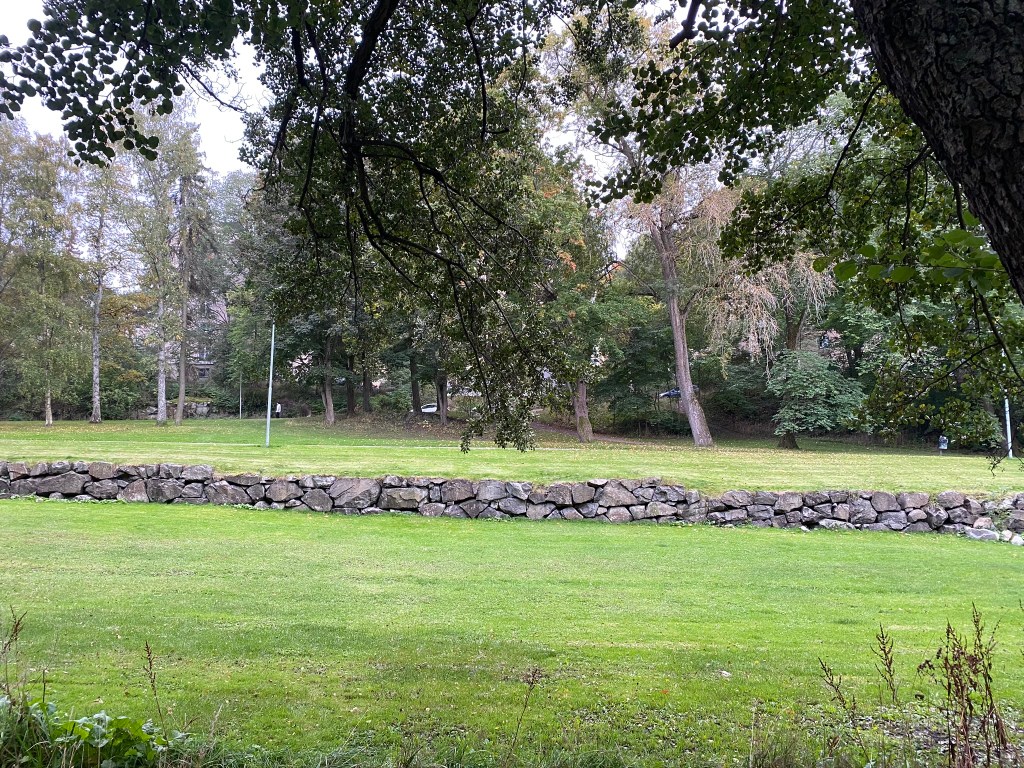
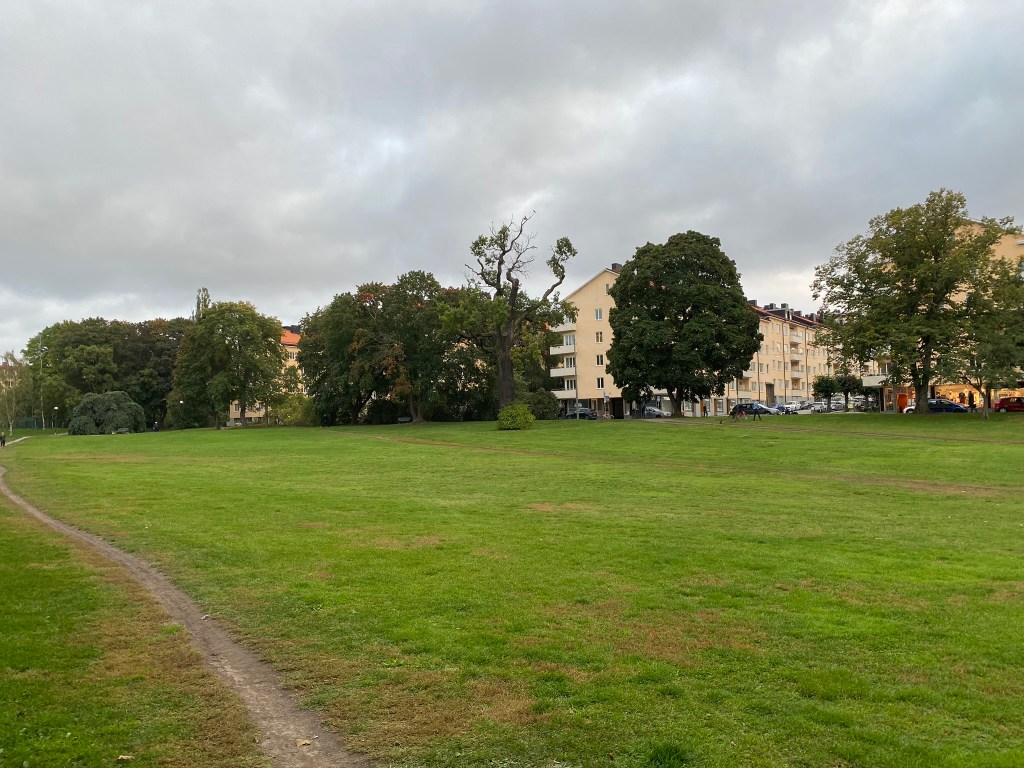
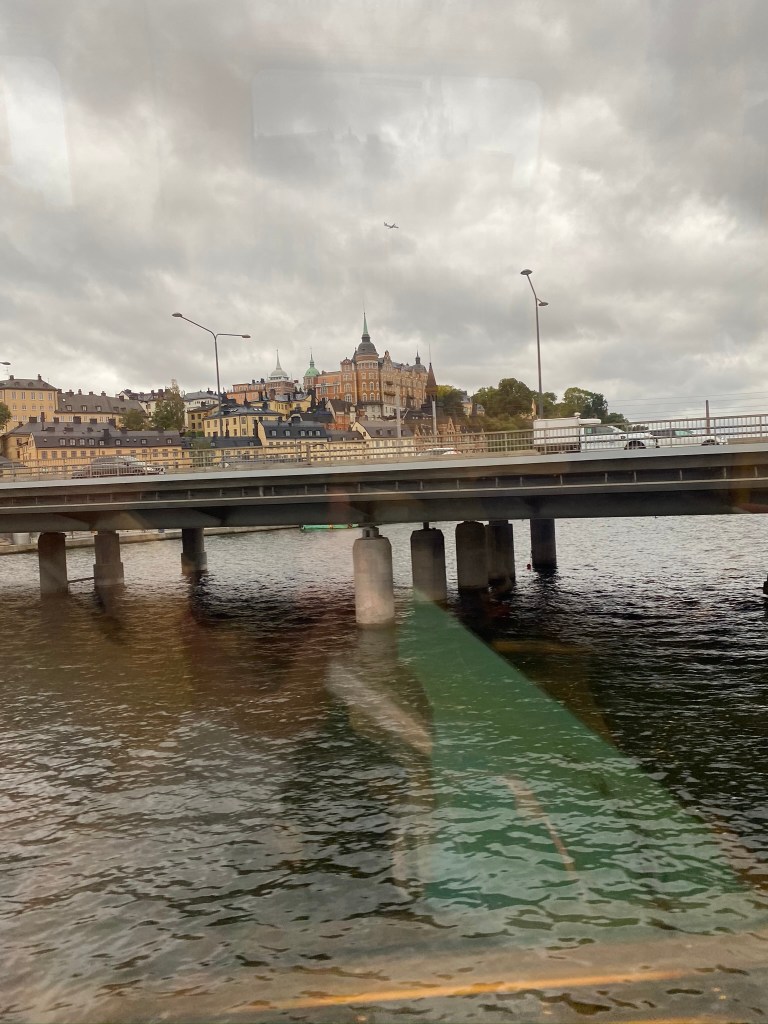
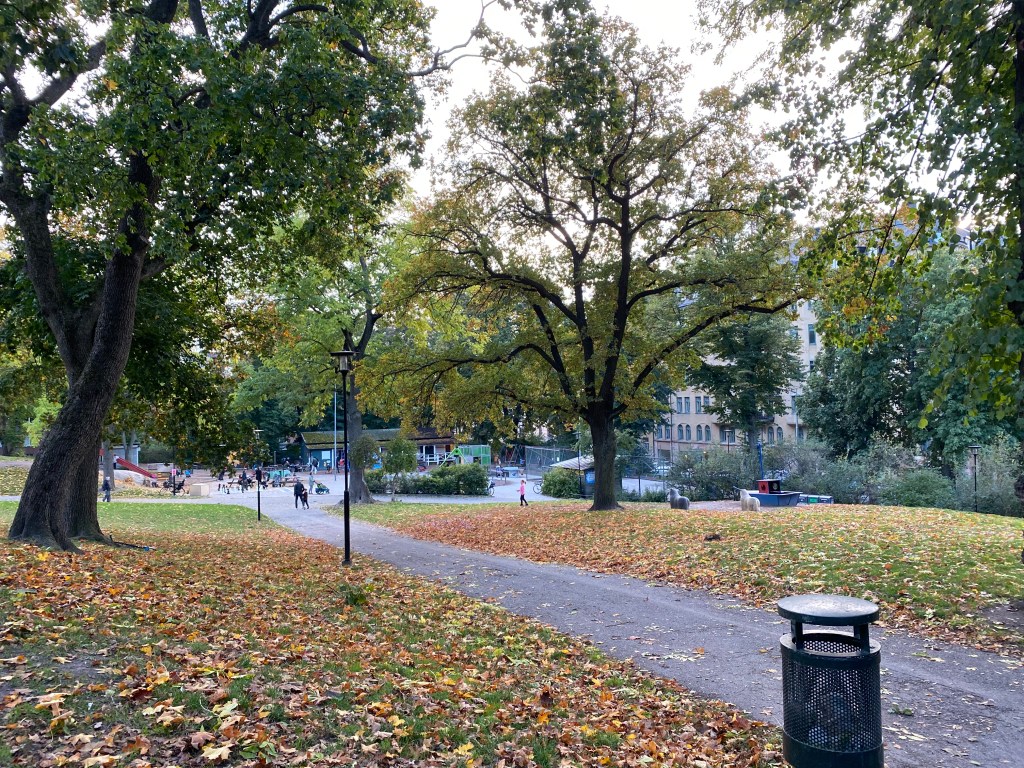
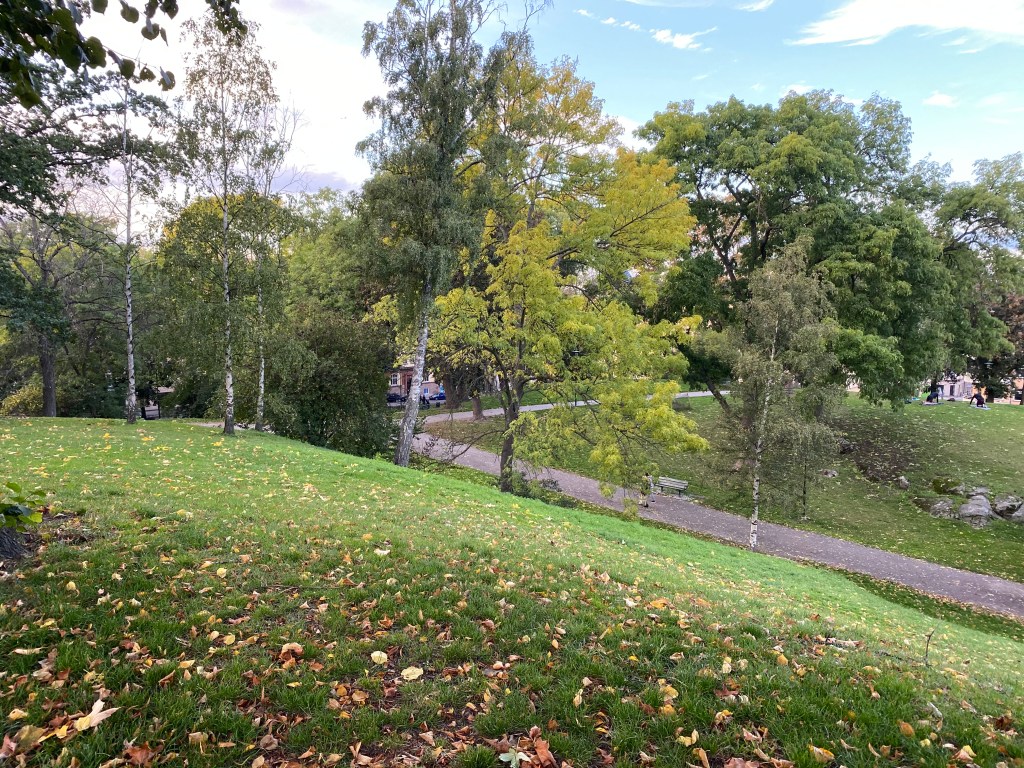
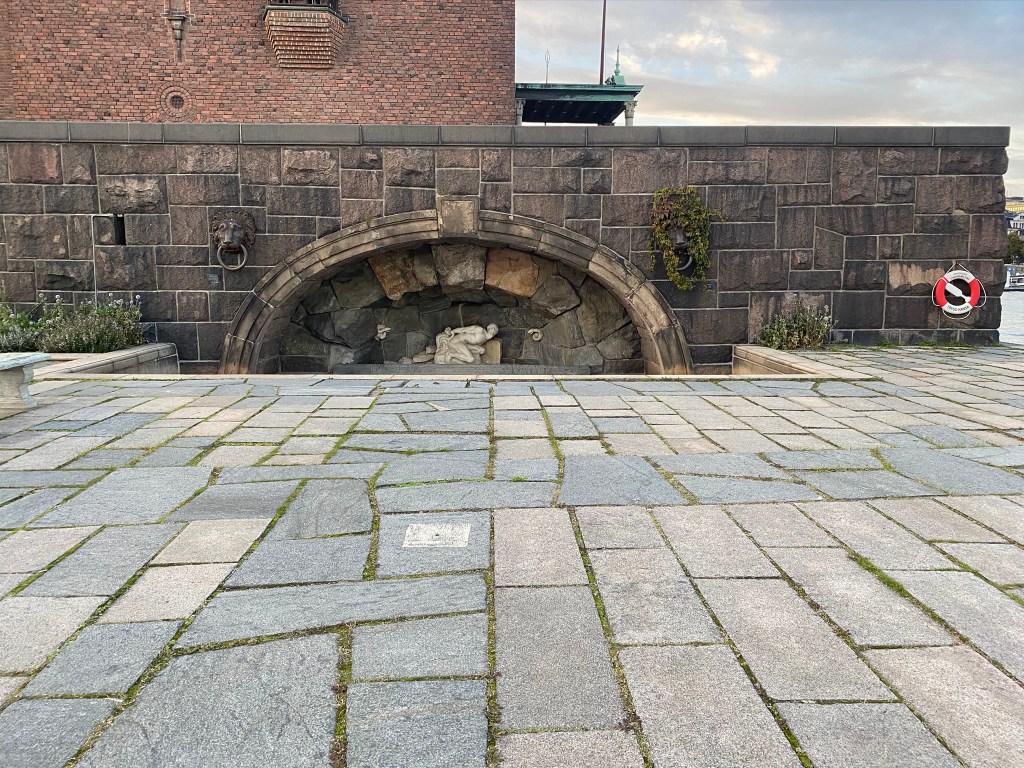
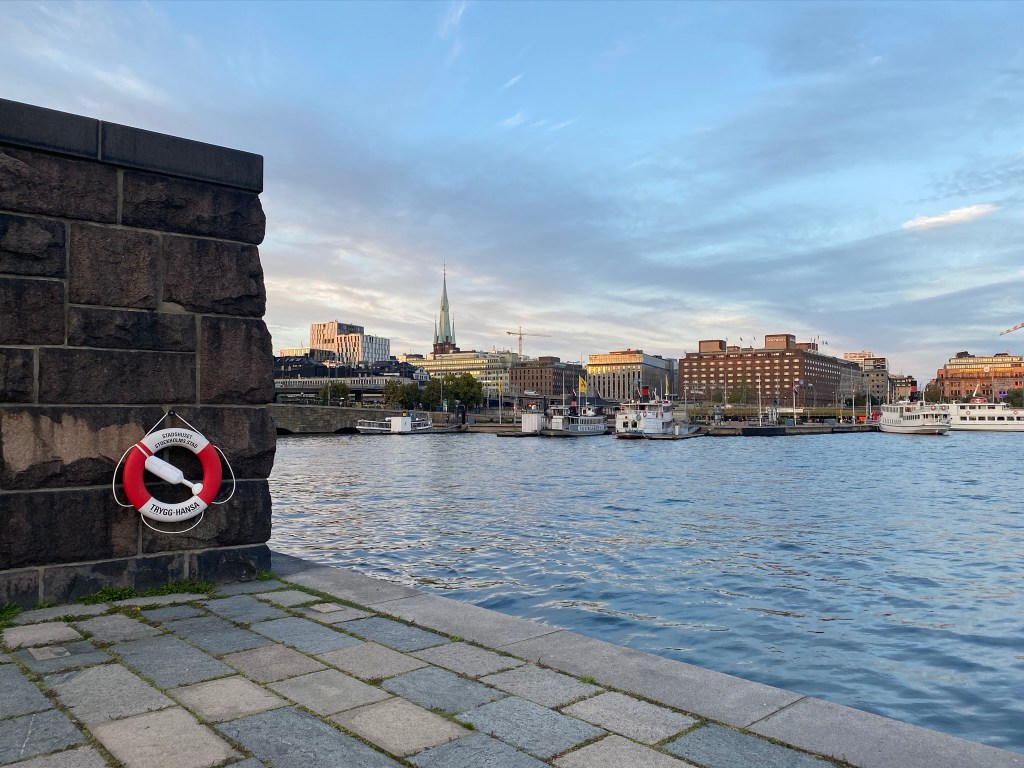
I’ll keep this one short and sweet, with more pictures than words. I’ve never really lived in a place where I had the chance to witness the seasons actually change. For the past two Monday nights I’ve decided to take some really long walks to get used to my surroundings while also getting an opportunity to see the lovely juxtaposition between city life and nature that is unique to Stockholm. Starting at Rålambshovsparken I started walking in one direction following the water, and then the next week, the opposite direction. The first Monday I ended up at City Hall, or Stadshusparken. This Monday I ended up outside of Kristinebergs Båtklubb , which is closed at the moment, but doesn’t matter much to me because I don’t own a boat.

Please enjoy some of the pics I snapped from those walks; I really wish I could relay the beauty here because pictures just don’t do it justice, but this will have to do for now.

Let’s go shopping!

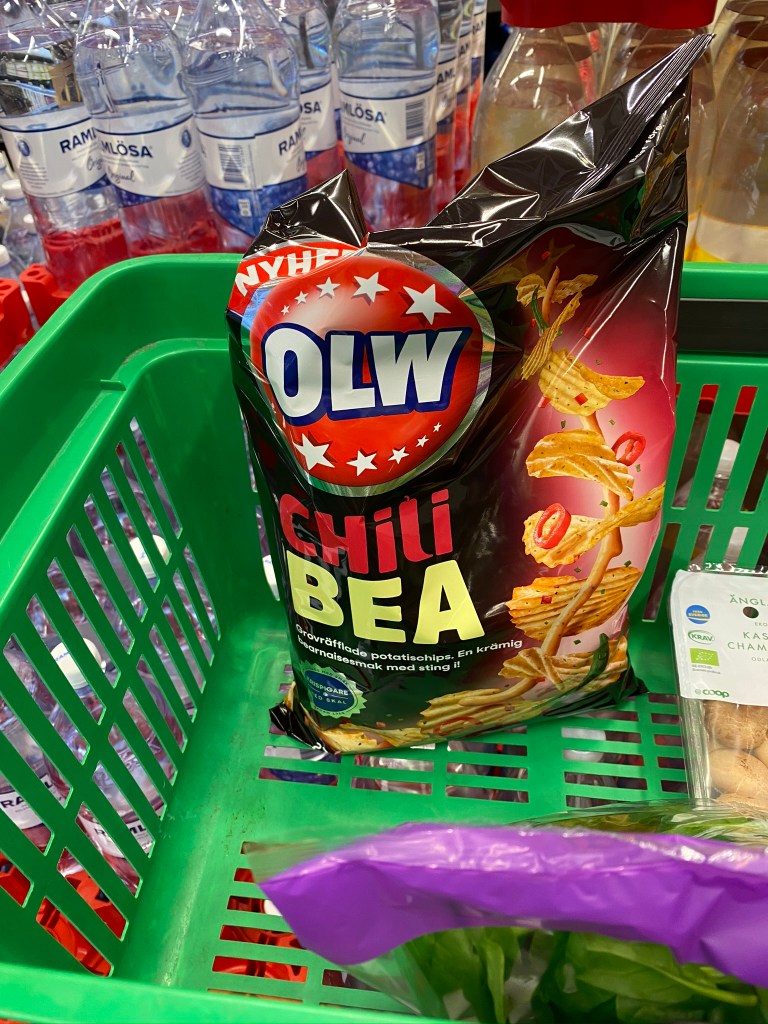
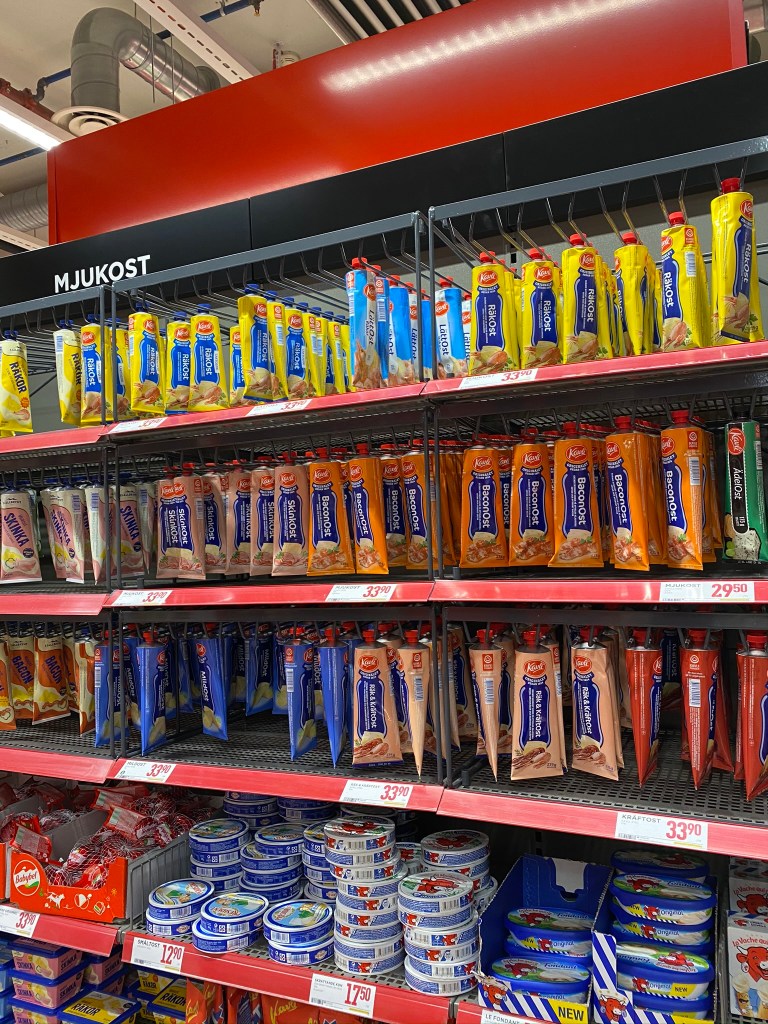
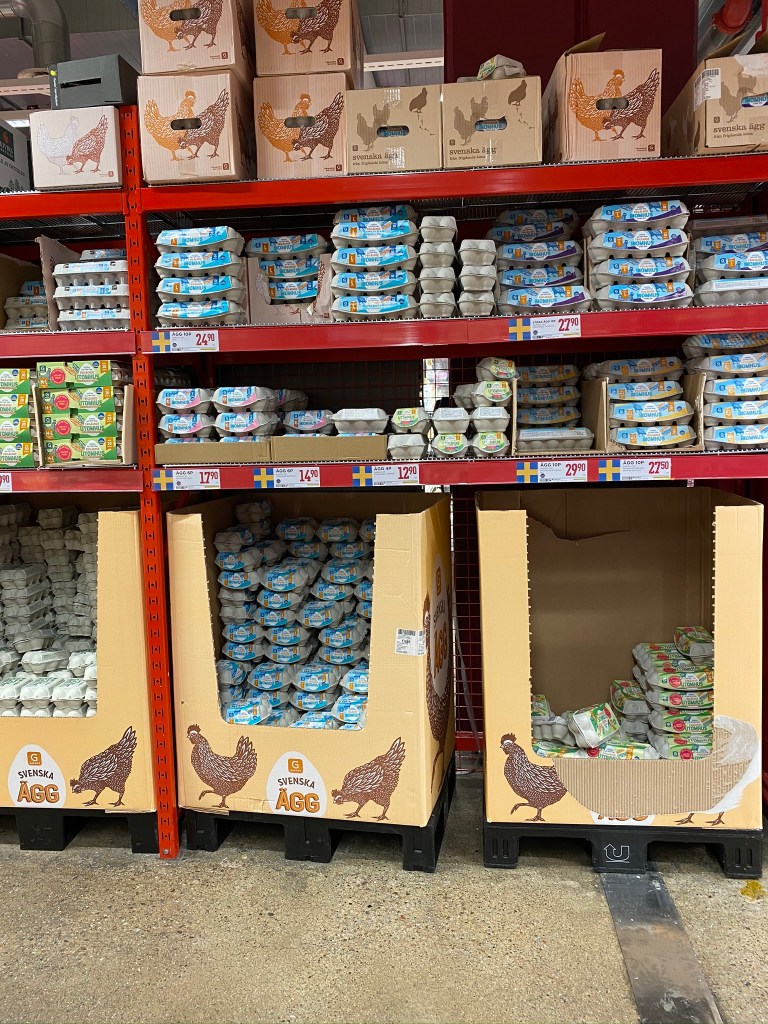
I have a confession. A lot of people have asked me what the restaurants are like here in Stockholm and outside of a few opportunities, I really haven’t tried them. That’s because I live within walking distance of five really, really good grocers. I’ve been itching to try out some of the places near me, but I’m always drawn into the local grocery stores by their beautiful produce sections, tantalizing smells, and robust rows of cheese and special seasonings. Here’s the funny thing though, Tabasco costs around $7 a bottle here, but you can get some really great gouda that will last you for a week for less than $4. I have yet to see any jalapenos, but tomatoes and onions are plentiful!

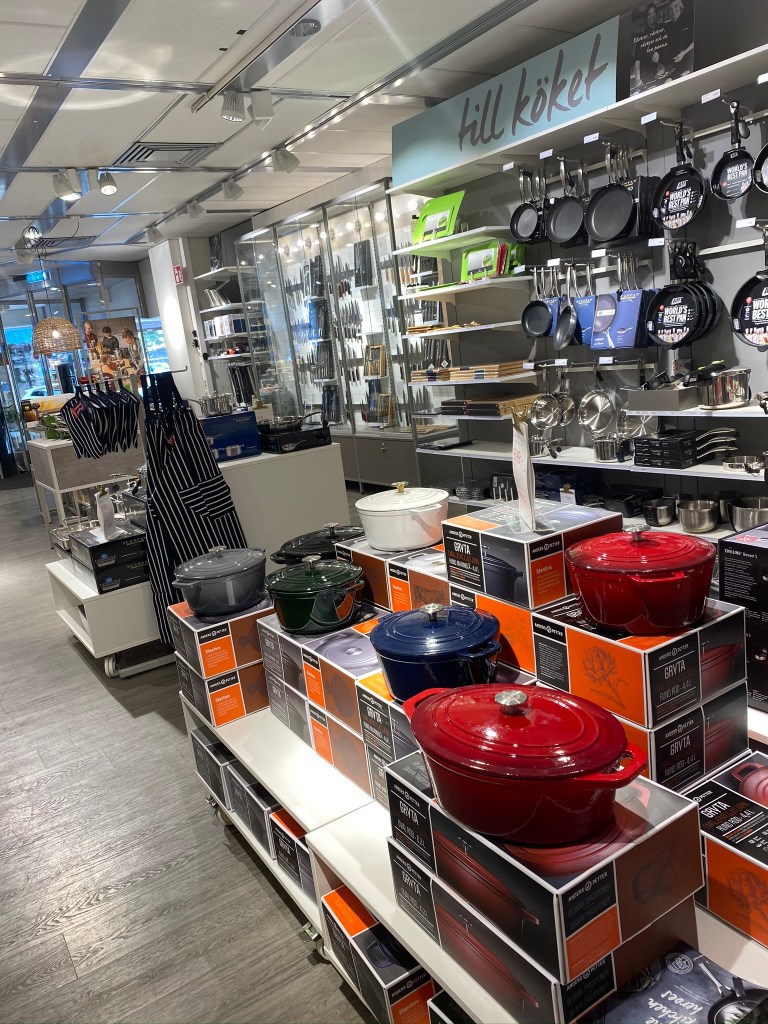
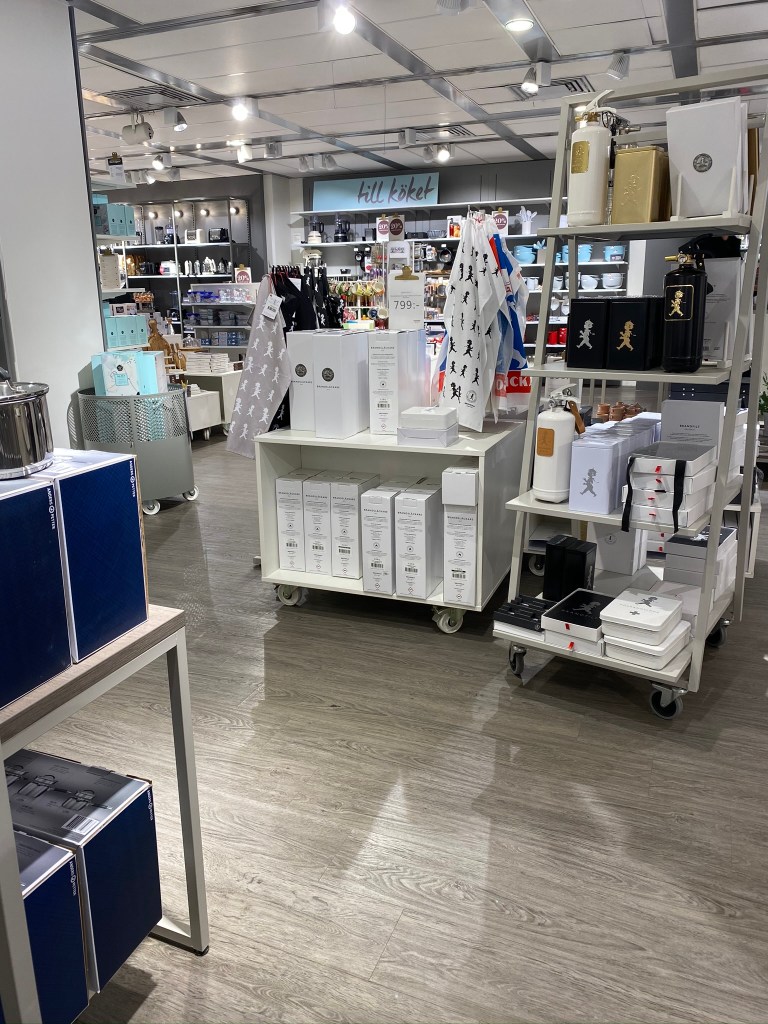
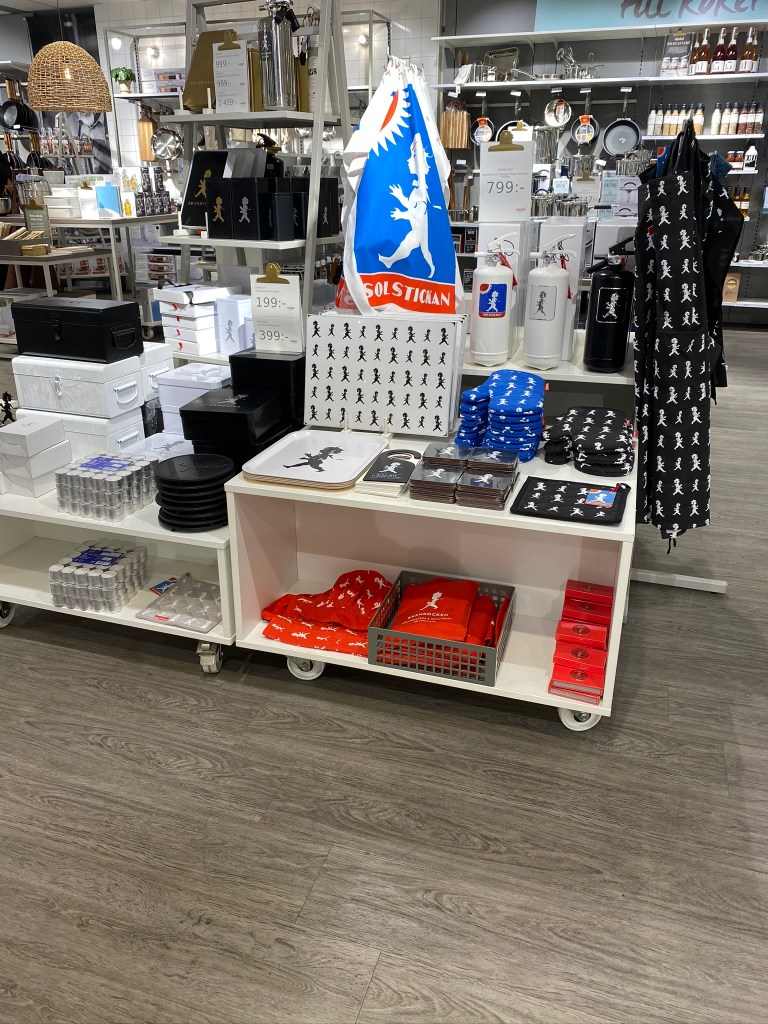
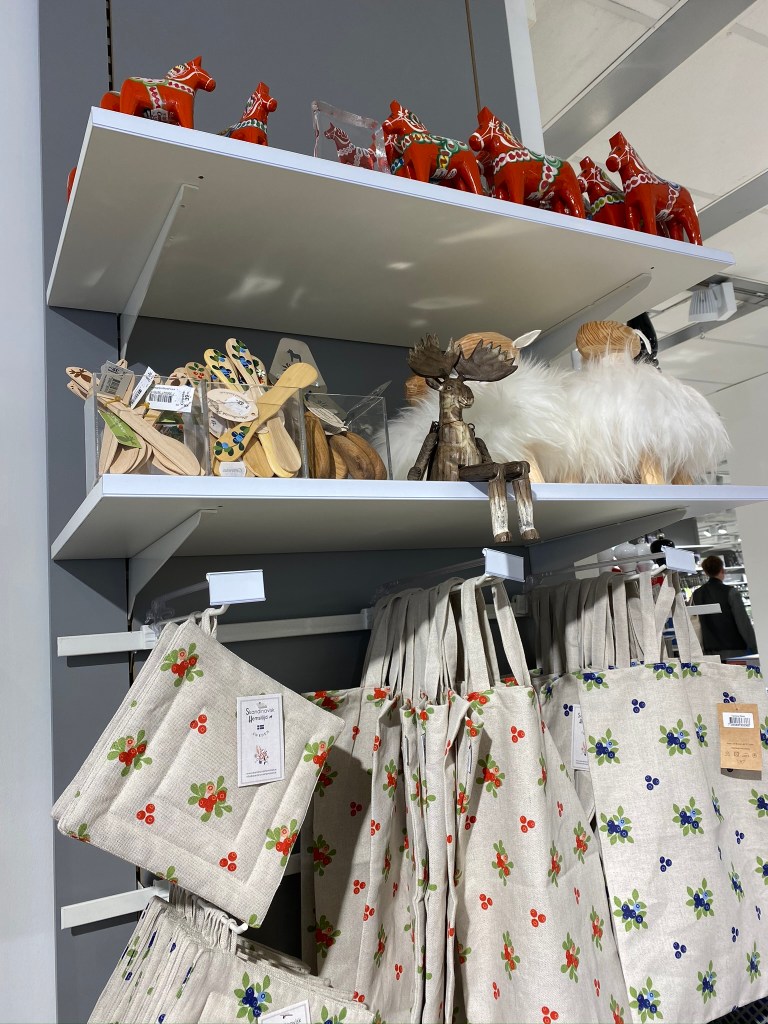
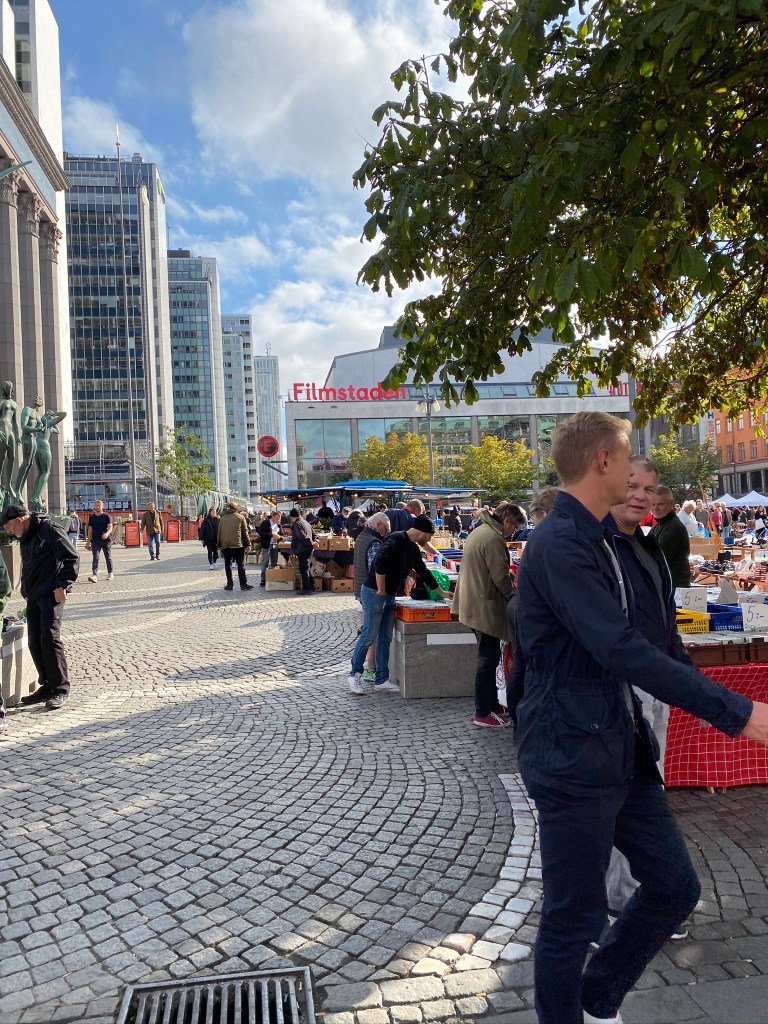
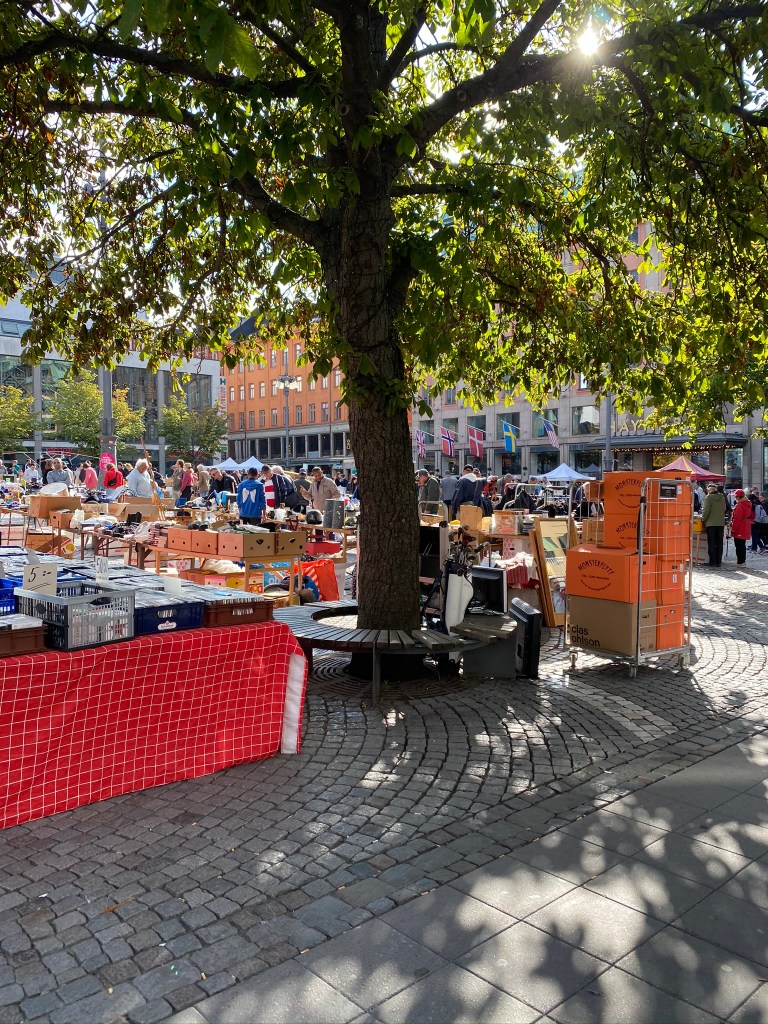
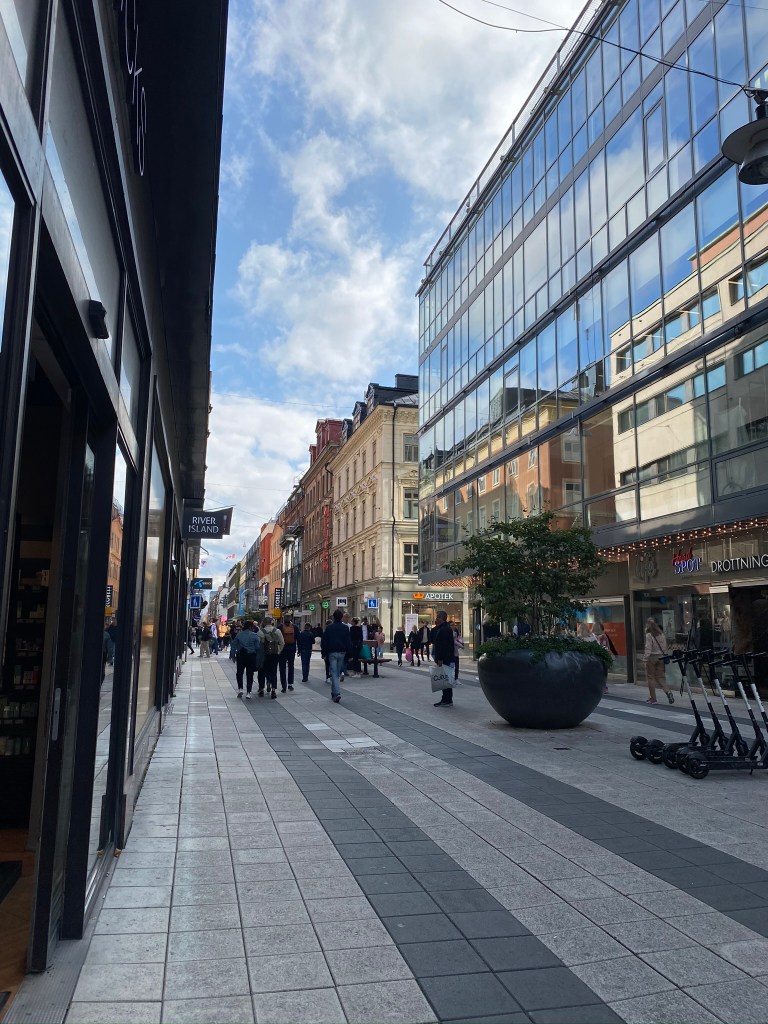
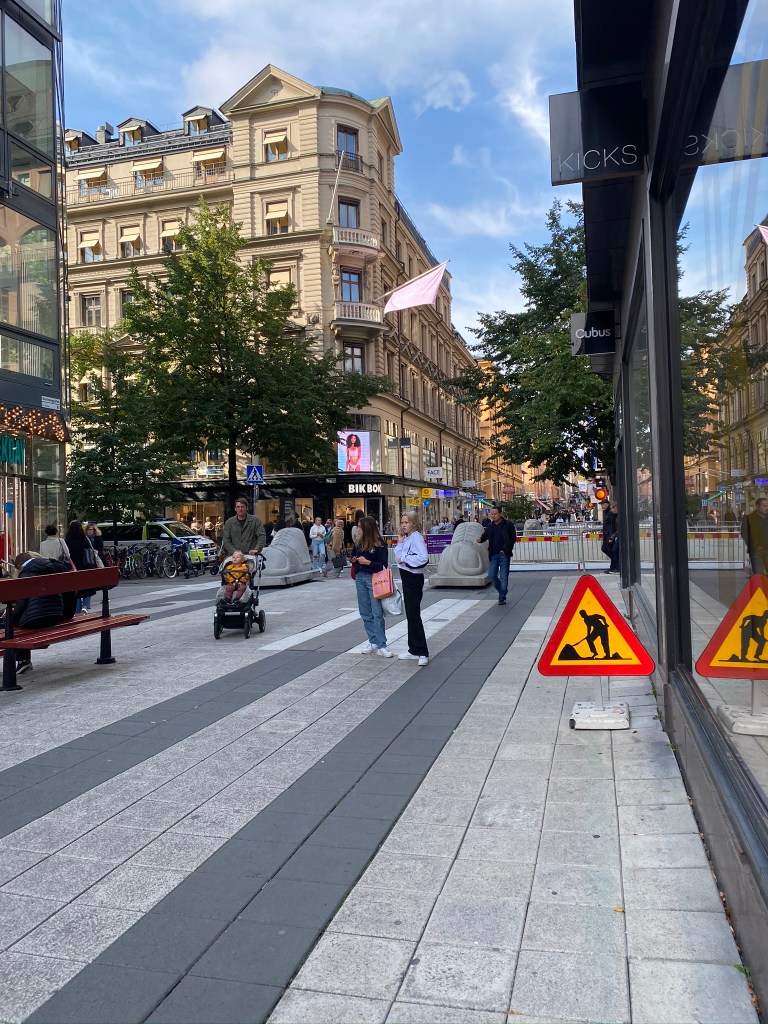
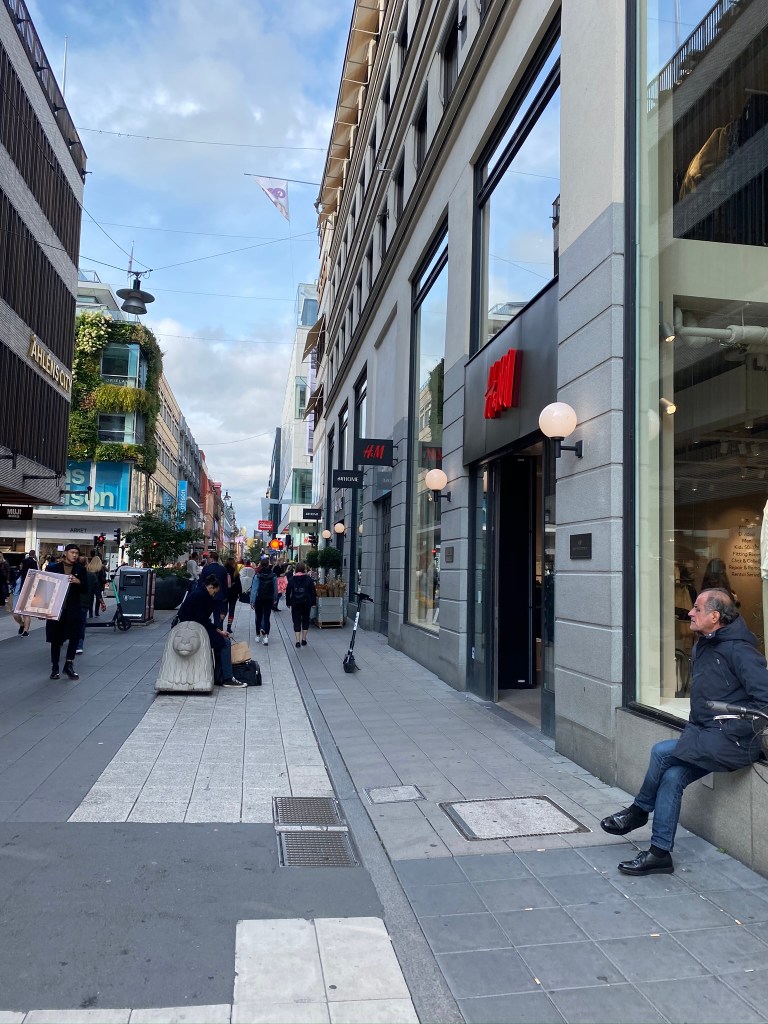
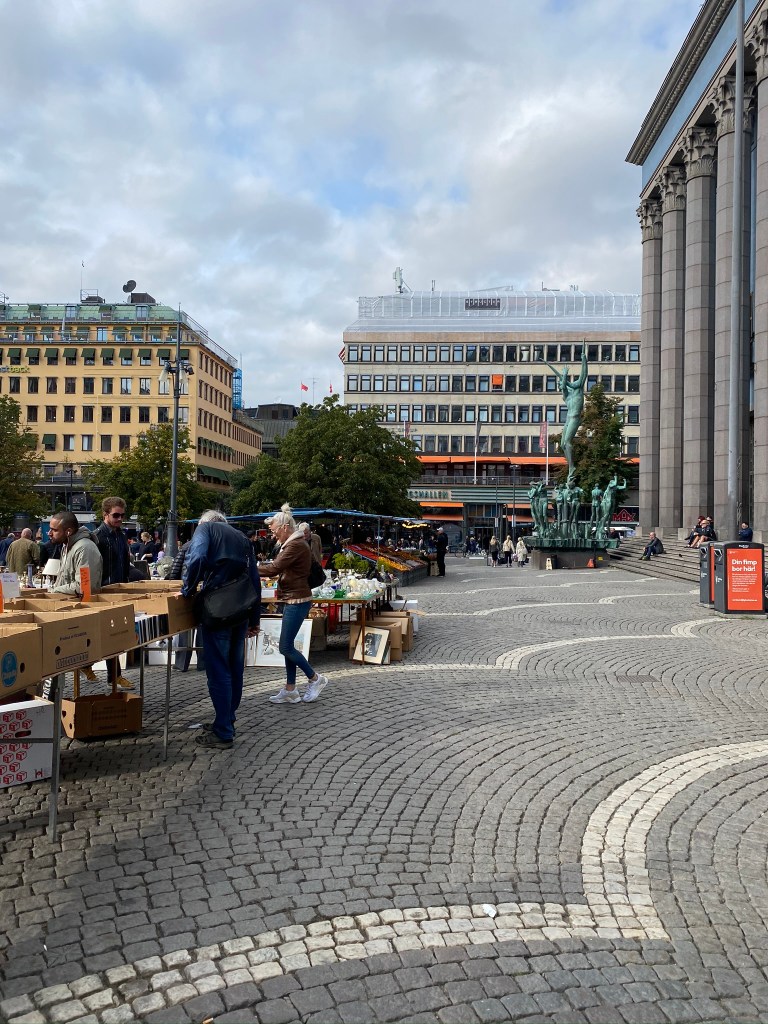
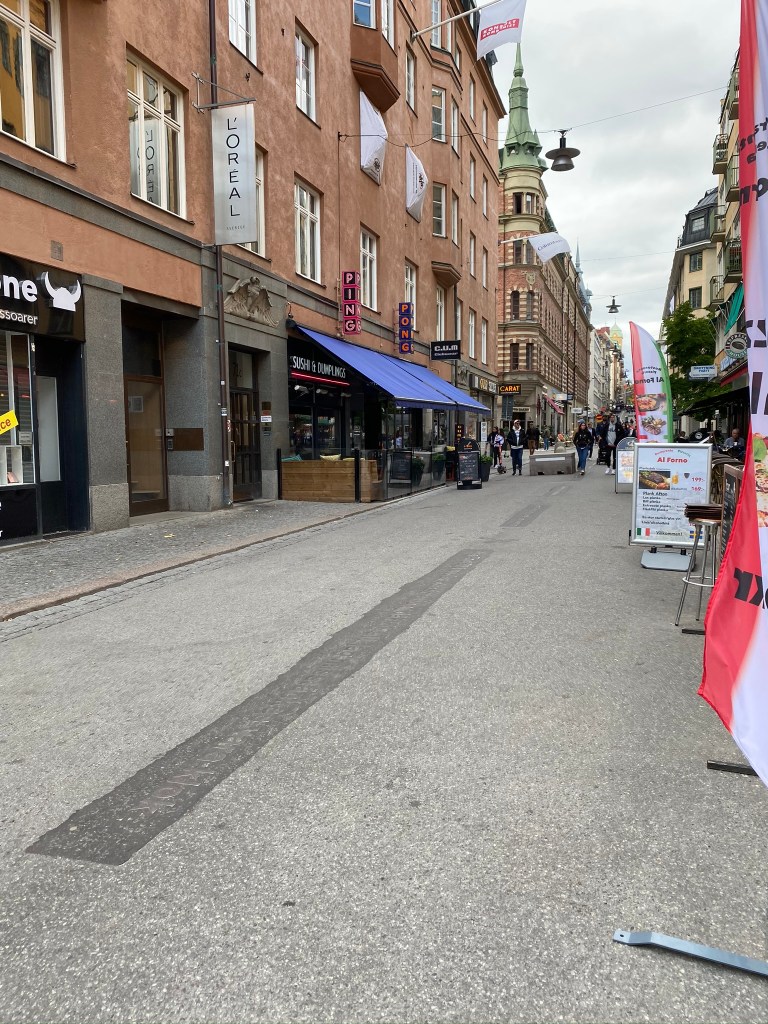
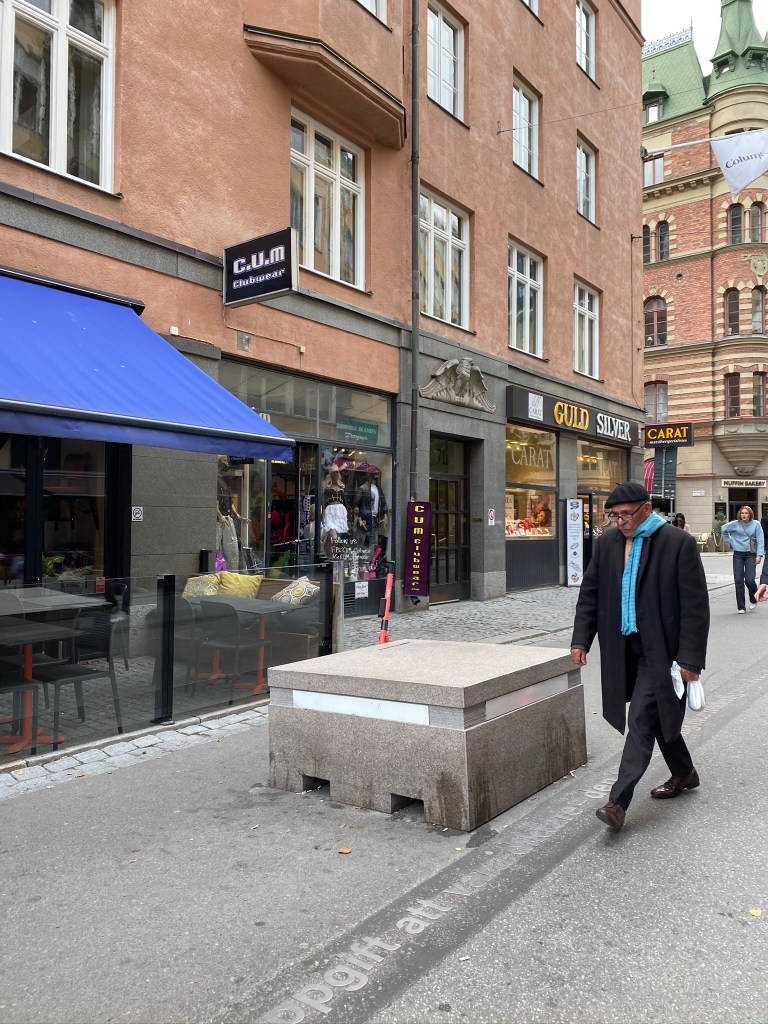
This past weekend I needed to get a few kitchen items and ended up in Stockholm’s prominent shopping district. While Cervera drew me in and took its pound of flesh from my wallet, I couldn’t help but walk around the district in awe of all the people, the shops, and the various wares. There was even a swap meet/farmer’s market going on directly in the center of it all, but since I don’t have Swish set up yet, I didn’t want to look. For those that don’t know, Swish is basically the bank-sanctioned form of Intuit/Square/Paypal here. Everyone takes it, and it’s the most widely accepted way to transfer funds without using cash. It’s basically Venmo on crack.

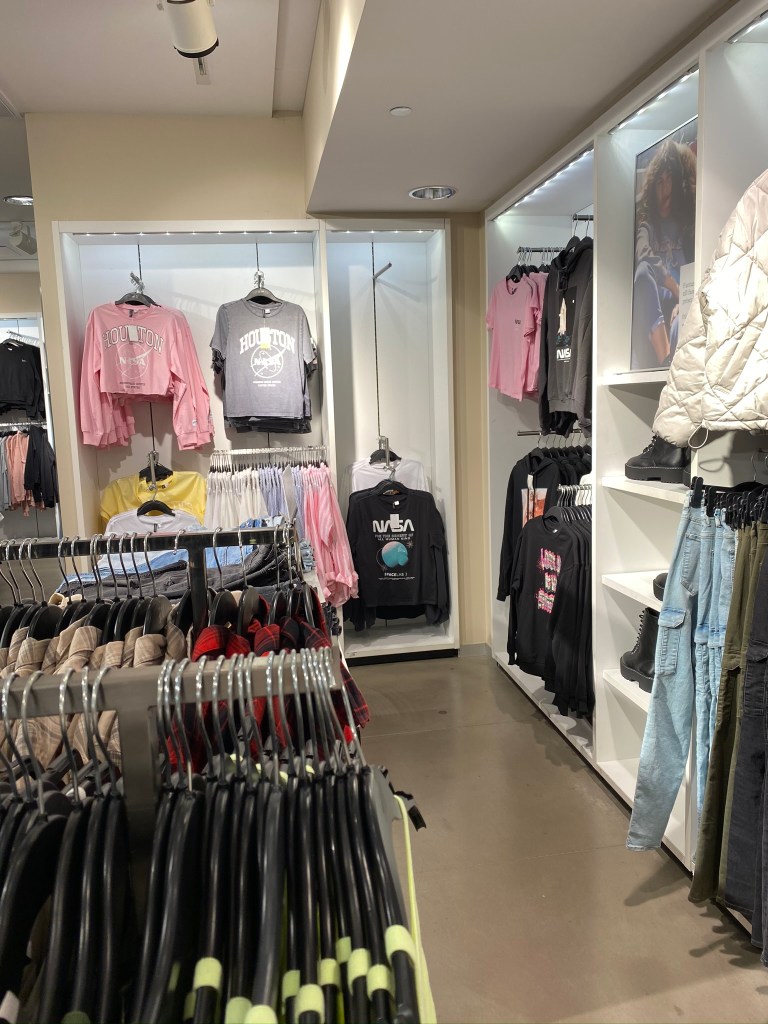
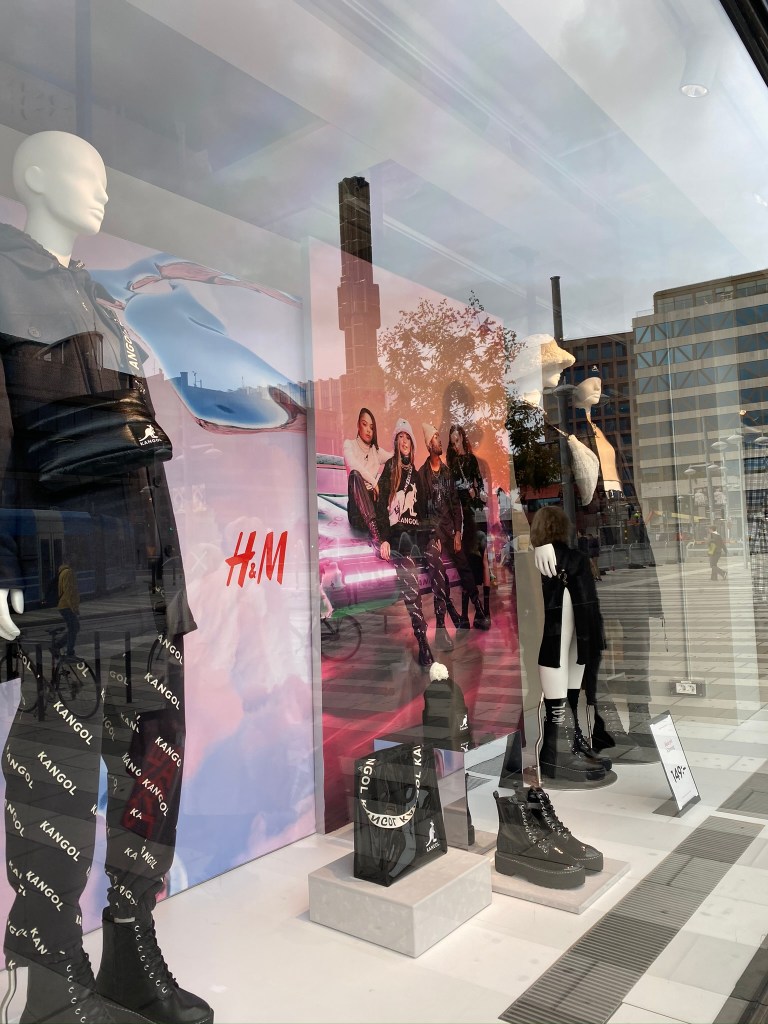
People have also asked about how prominent Ikea is here (which I still haven’t mustered up the energy for just yet), but the bigger entity that I see on almost every single corner is H&M. There’s even one within walking distance of my apartment! At one point in the Vasaplan district I was standing next to four H&M stores within view, including an H&M Home! FOUR! Each one of them had various different clothing items and different feels to them; one catered specifically to men, another to children, but the primary targeted group was women. It was awesome! By the end of my adventure I was so tired and overwhelmed by the different options that I ended up getting on the wrong train. I wound up in the middle of a Stockholm suburb, but was able to hop on to a train that took me back to the neighborhood where my apartment is. The transit system here is completely unreal and so different from what I’m used to in Austin, and everything is always running on time, too!

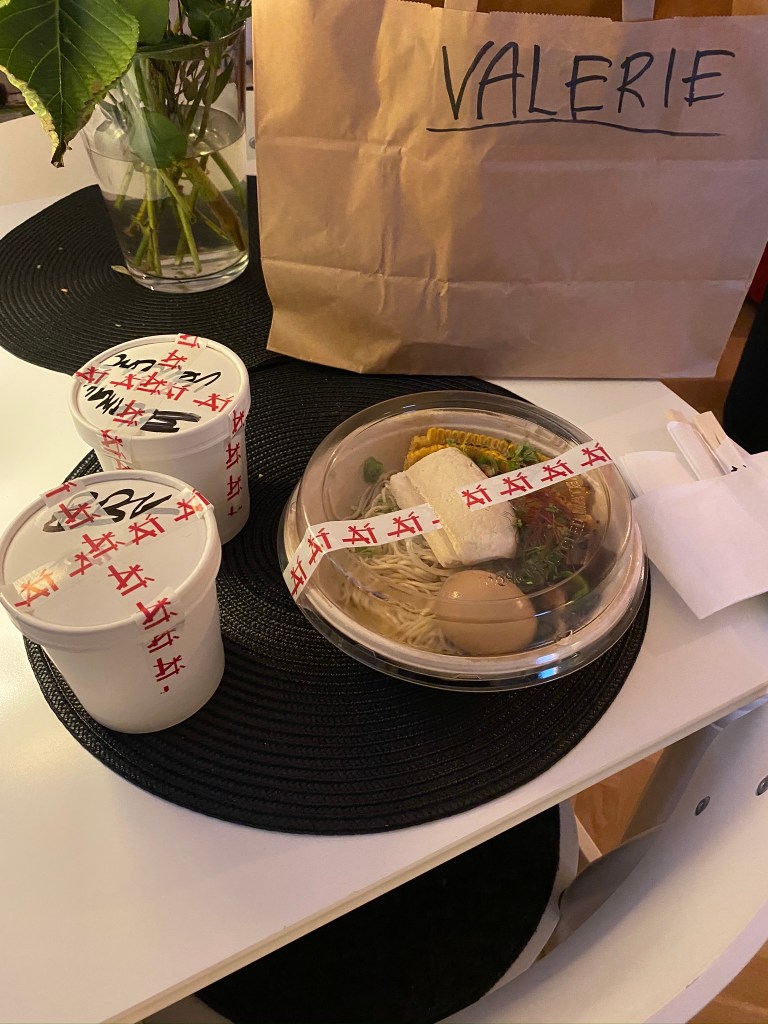
Anyway, by the time I came back I was completely wiped and ready for some takeout. I used Wolt to order some ramen from a place called Ai Ramen. I know takeout is kind of cheating on the opportunity to embrace a new place and people watch, but after spending an afternoon in the busy shops and city center, I really just wanted to eat something in my jammies and watch a movie. Reluctantly, I placed my order and within a matter of 15 minutes saw that the delivery was on its way to my door. A very nice gentleman on a bike left my order directly outside of my entry and I was able to collect my items well within 25 minutes of my order.

I ordered the Bebikón and a side of edamame, and it was so delicious! I felt like living in Austin and so close to Ramen Tatsuya had me spoiled, but this was something completely unexpected! The broth had such a robust and well-seasoned flavor that I found myself spooning some of it directly into my mouth. The amount of ingredients in the actual ramen was well balanced, too. The marinated egg was perfect; not too hard or too soft boiled, and wasn’t overly seasoned. The charred corn was actually well cooked, and the other ingredients were perfectly balanced. I’m definitely keeping this place in my favorite order rotation, especially as the colder months come along.

Anyway, time for some pictures! Below are some images from my weekend including my shopping trip and a pic of my ramen adventure that was packed and delivered with care.

Food Adventures Part 1

I imagine this kind of post is going to be a constant on this blog. For the most part, I’ve been staying in and cooking. The options for vegetarians in Sweden are imense and I’ve yet to feel limited by them. The last two days I decided to venture out and try something other than Max Burger, including a trip to McDonald’s.

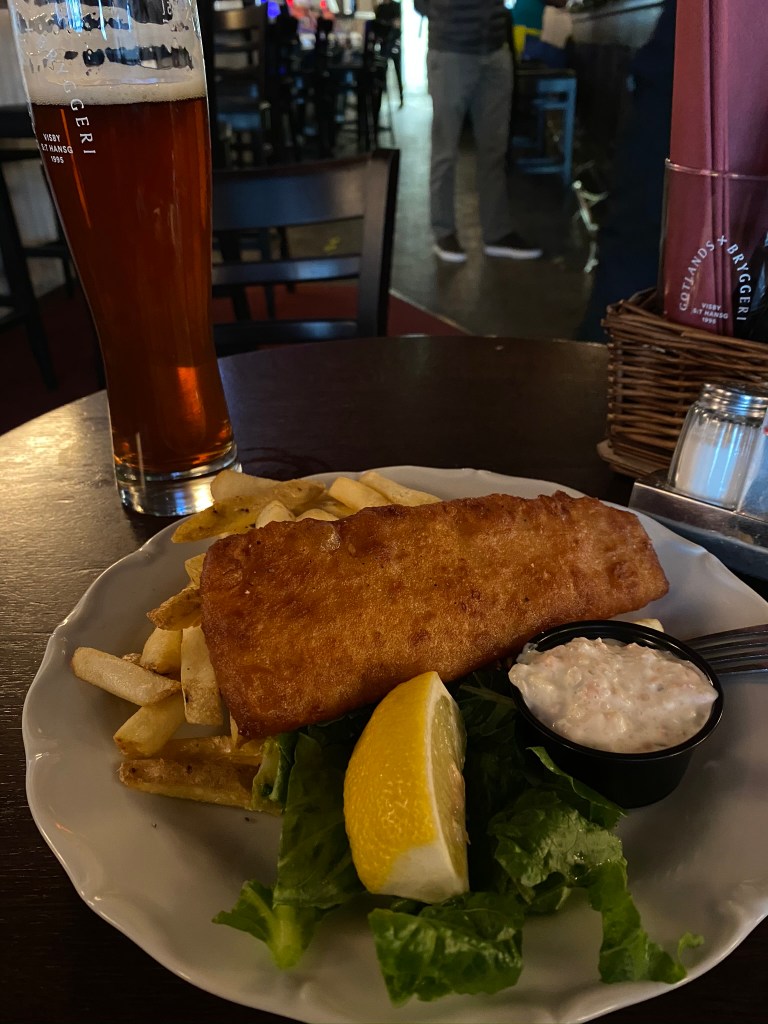
I stopped in at a pub down the street for a local IPA and a chance to try some fish and chips. It was pretty standard fair; the chips were chunky and well fried, and the fish was substantial in size. What made it so delicious was the housemade tartar sauce. It had plenty of fresh herbs and didn’t have too much vinegar.

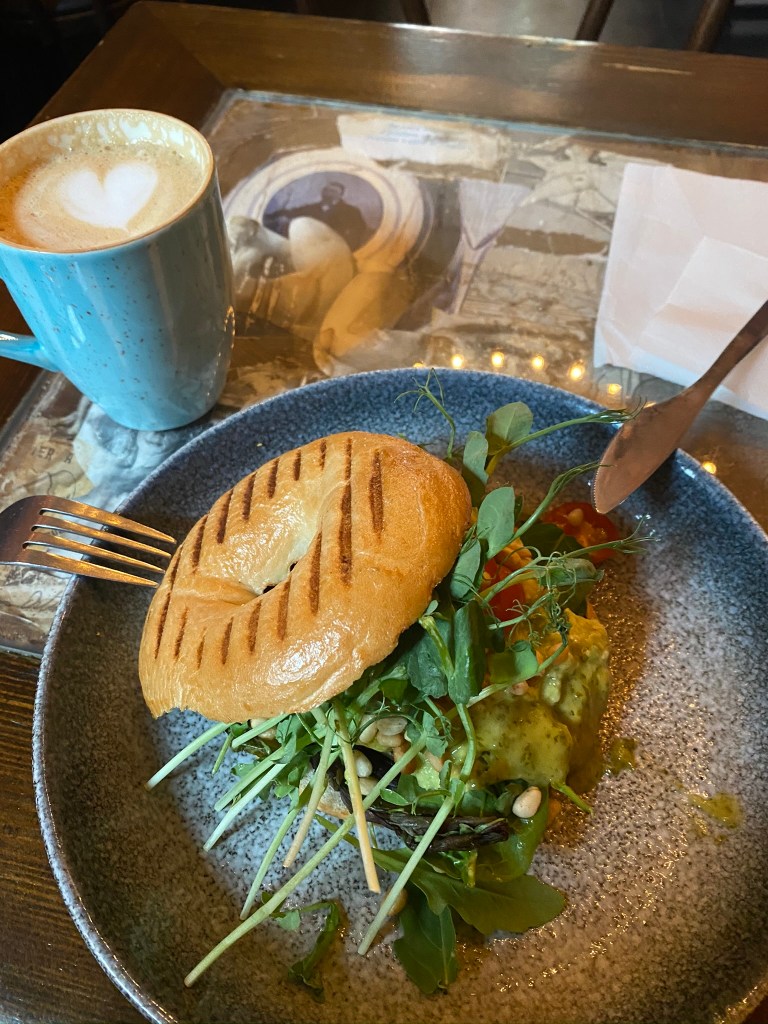
This morning before a trip to H&M, I stopped in again at Cafe Fix. I’m slowly coming to realize this place is going to take all of my food money because of how delicious it is. I ordered a chai latte, which was so good! It had a delicate flavor, wasn’t too heavy on the latte and wasn’t overwhelmed by spice. I also ordered something called a “vegan bagel”, which I thought would be just a plain bagel with some kind of spread on the side. I was wrong! It was a masterpiece of fresh greens, avocado, pine nuts, and grape tomatoes. SO DANG GOOD.

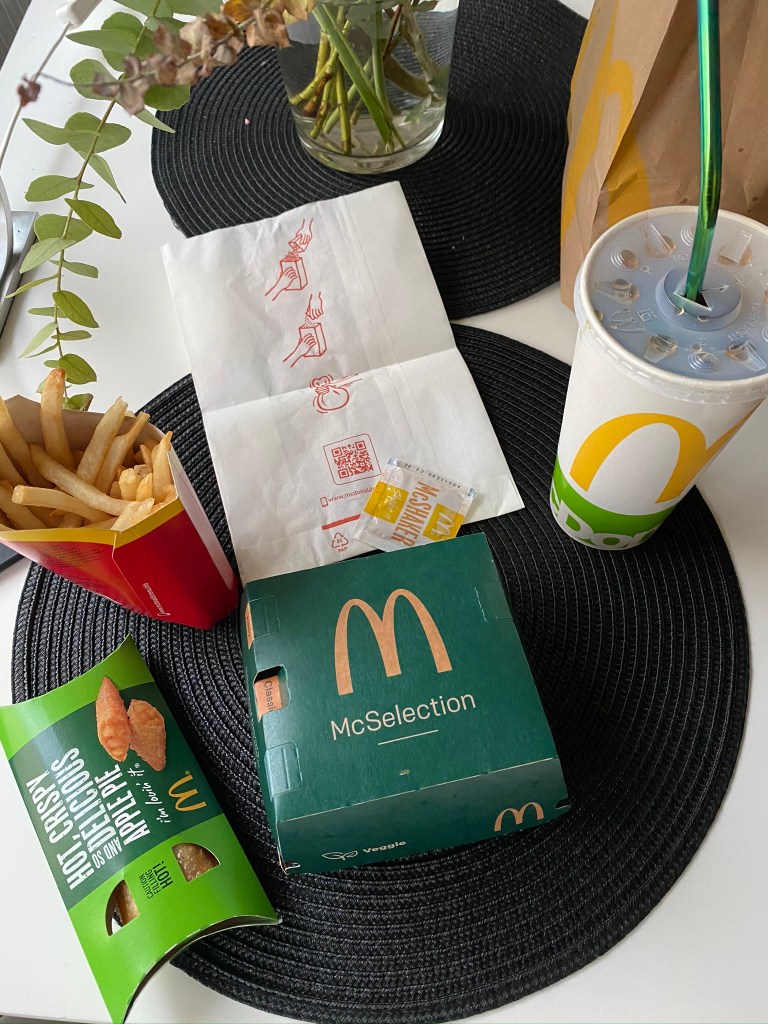
I then decided for dinner I’d give the ol’ McDonald’s across the street from the building a try. I was overwhelmed by all the various vegetarian options available, including an El Maco (yep, that’s Big Mac!). I also opted for the “Shaker Fries” option; you’re given a bag and a seasoning packet to shake up your fries in (the seasoning is basically just a mix of paprika, salt, and pepper). I rounded off the meal with a Coca Cola, which was served with no ice and somehow tasted sweeter than what I was used to. At first I thought it was a Coke Zero, but nope, it was a regular one. It’s interesting how some flavors and things are so universal; other than the vegetarian patty and the soda, everything tasted the exact same as I remembered it from the last time I had McDonald’s years ago in the states.

At some point there are a lot of other things I’d like to try, including ramen, more pastries, egg coffee, different kinds of chocolate, cakes, and more regional European flare. When I do, I’ll be sure to post them here to share with everyone.